‘60 Minutes’ airs Trump deportations report that was pulled last month
CBS’s 60 Minutes finally broadcast its investigation into Trump administration deportations on Sunday, more than a month after the segment was abruptly removed from the show’s lineup—a decision that sparked an internal controversy over allegations of political interference at the network.
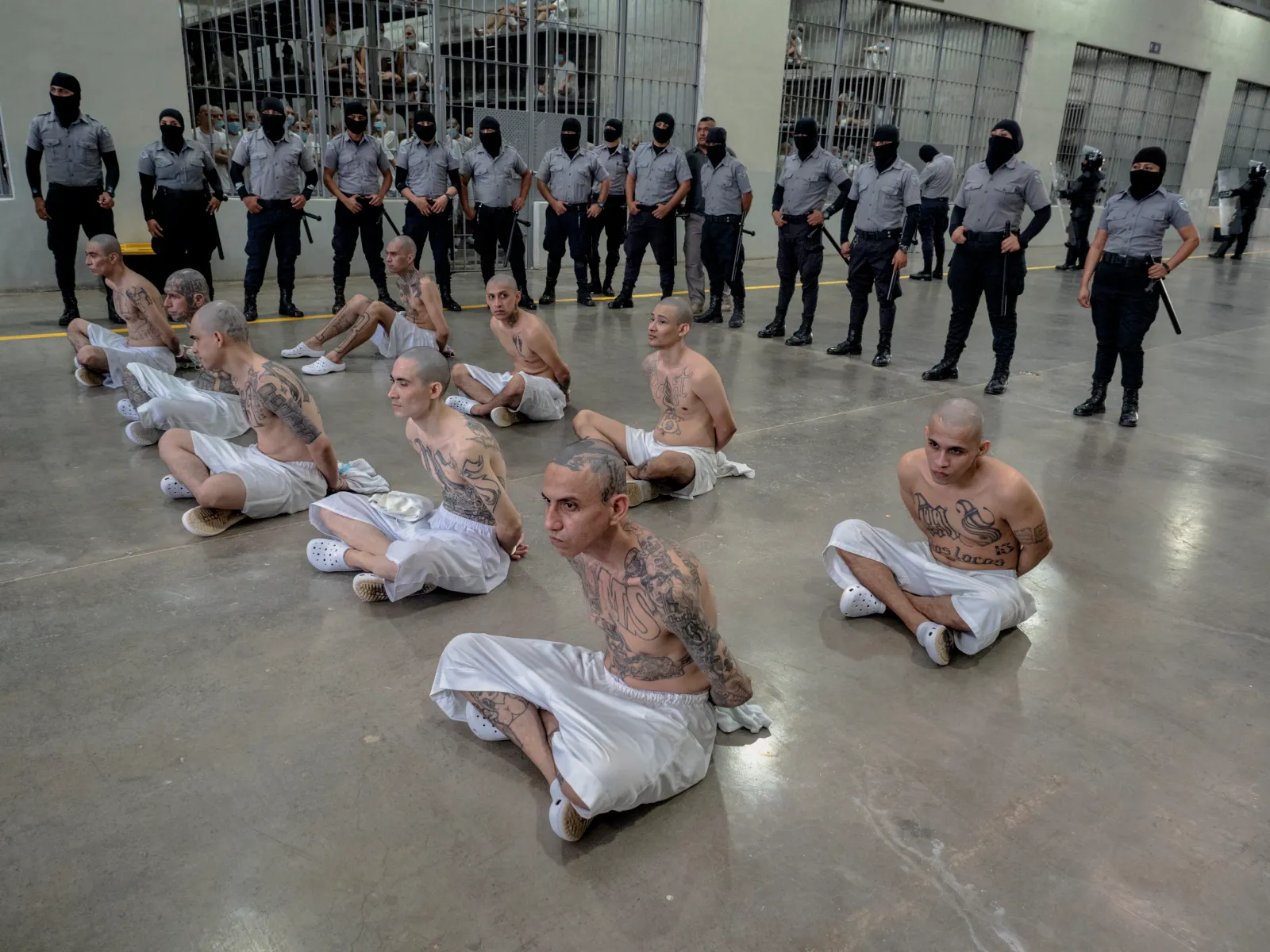
The report by correspondent Sharyn Alfonsi examined deportees sent to El Salvador’s Centro de Confinamiento del Terrorismo (CECOT) prison, one of the world’s harshest detention facilities. The story aired without any mention of Alfonsi’s conflict with CBS News editor-in-chief Bari Weiss, who ordered the segment pulled from the December 21 broadcast.
Why It Matters
The removal of the segment called “Inside CECOT,” which featured interviews with Venezuelan men deported by the Trump administration to El Salvador’s notorious prison, has cast a new light on simmering tensions between the White House and the news media.
President Donld Trump has had a tumultuous relationship with the press, especially since the beginning of his second mandate, receiving a settlement of $16 million from Paramount over the editing of a 60 Minutes interview with then-Vice President Kamala Harris in 2024.
Weiss’ decision to pull the segment, which contained criticism of the Trump administration’s anti-immigration crackdown, was seen by critics as an attempt to avoid antagonizing the president, especially at a time when Paramount launched a hostile bid to take over Warner Bros. Discovery, circumventing a rival offer by streaming behemoth Netflix.
What To Know
The 13-minute segment was pulled just three hours before its scheduled broadcast on December 21. Weiss requested numerous changes to the segment and suggested adding an interview with Stephen Miller or another high-ranking Trump administration official, the Times reported. A CBS News spokesperson said the segment needed “additional reporting.”
When the piece was initially sidelined, Alfonsi told colleagues the decision “was not an editorial decision, it was a political one.” Weiss had contended the story didn’t adequately represent the administration’s perspective or move beyond previous reporting by other outlets.
The version that aired Sunday contained no on-camera interviews with Trump administration officials, though it incorporated written statements from the White House and Department of Homeland Security that weren’t in the original cut. Alfonsi noted in the broadcast that 60 Minutes had “made several attempts to interview key Trump administration officials on camera about our story” since November, but “they declined our requests.”
While pulled from the December broadcast, Alfonsi’s original report inadvertently became publicly available when CBS provided it to Global Television, the Canadian network that airs 60 Minutes in Canada. Global posted the segment online before being notified of the last-minute programming change, allowing viewers to compare the two versions.
The core reporting remained unchanged between versions. Both included a clip of Trump praising the CECOT prison operators, saying they “don’t play games,” along with comments from White House Press Secretary Karoline Leavitt describing those sent to the facility as “heinous monsters, rapists, murderers, sexual assaulters, predators who have no right to be in this country.”
The updated version aired Sunday featured a new introduction referencing the January 3 U.S. raid that resulted in the capture of Venezuelan President Nicolas Maduro, who is currently in U.S. custody. The revised segment also incorporated additional administration statements, including an explanation for why detailed records about migrants sent to El Salvador weren’t being provided. The administration supplied photographs of tattoos worn by two migrants Alfonsi interviewed, including a swastika that one interviewee said he’d gotten as a teenager without understanding its significance.
According to the Cato Institute, about 240 Venezuelan men were deported to El Salvador by the Trump administration in March and sent to CECOT without trials, convictions or due process. Groups such as Human Rights Watch and Amnesty International have reported that prisoners inside the facility are denied communications with their attorneys or relatives and are largely mistreated.
What People Are Saying
CBS News, in a statement Sunday, said: “CBS News’ leadership has always been committed to airing the ’60 Minutes’ CECOT piece as soon as it was ready. Tonight, viewers get to see it, along with other important stories, all of which speak to CBS News’ independence and the power of our storytelling.”
Bari Weiss, CBS News editor-in-chief, said in a December statement: “My job is to make sure that all stories we publish are the best they can be. Holding stories that aren’t ready for whatever reason—that they lack sufficient context, say, or that they are missing critical voices—happens every day in every newsroom. I look forward to airing this important piece when it’s ready.”
Sharyn Alfonsi, in a December note to CBS colleagues obtained by the Times, wrote: “It is factually correct. In my view, pulling it now, after every rigorous internal check has been met, is not an editorial decision, it is a political one.” She added: “If the administration’s refusal to participate becomes a valid reason to spike a story, we have effectively handed them a ‘kill switch’ for any reporting they find inconvenient.”
Anna M. Gomez, a member of the Federal Communications Commission, wrote on X: “In the days ahead, I hope CBS provides its viewers with a clear accounting of how this decision was made and demonstrates how it will safeguard the independence of its newsroom.”
What Happens Next
Sources at CBS News told CNN in December that staff members were “threatening to quit” over the segment’s removal. administration.
Reporting from the Associated Press contributed to this article.