How Pride Month has changed in the era of MAGA and Donald Trump
Not long ago, June meant rainbow logos. Major retailers stocked Pride merchandise on front-page displays, big brands changed their social media avatars and corporations competed for visibility at parades from New York to San Francisco.
Things have changed.
Two years into President Donald Trump‘s second term, many of those same companies have quietly stepped back. Retailers that once centered Pride collections in their June marketing have shifted focus to Father’s Day and other summer merchandise. Major corporations have withdrawn sponsorships from Pride events around the country, leaving some organizers facing significant funding shortfalls. NYC Pride told Gothamist it was more than $500,000 short of its fundraising goal after already lowering its target by $1.1 million from 2024.
“Can you imagine the very first, the best, the biggest Pride in the world — the queen of all Prides — doesn’t have enough funding?” said NYC Pride Director Im Lynde.
A Different June
The corporate retreat comes alongside a broader political shift. Republican governors in Indiana, Tennessee, Alabama, Utah and Arkansas have formally rebranded June—Nuclear Family Month, Strong Families Month, Fidelity Month—proclamations that supporters and opponents alike have read as counterprogramming to Pride.
Last week, Arkansas Governor Sarah Huckabee Sanders posted a link to an article on X about her proclamation that declared, “Another Red State is Counter-Programming Pride Month.” In Alabama, Governor Kay Ivey’s proclamation stated that fathers are “the head of the household” and that “homes led by a father and mother provide children with the structure and discipline necessary to succeed throughout life.”
Lakie Derrick, a conservative activist who authored Tennessee’s Nuclear Family Month measure, said she targeted it to June specifically to counter Pride Month, which she said “goes against” American values.
“We’re just reclaiming the culture,” Derrick said, “and there’s no better month to do that than in a month where the culture says we’re gonna celebrate something so opposite to what we know to be right.”
Kevin Roberts, president of the Heritage Foundation, said the conservative recognitions were warranted because Pride celebrations “were going so far as to make it difficult to celebrate traditional marriage.”
Marina Lowe, who leads legal and legislative affairs for the LGBTQ+ advocacy group Equality Utah, rejected that framing. Many LGBTQ+ people also value faith and family, she said.
“I don’t think that these positions need to be in conflict with one another,” Lowe said.
What the Trump Administration Has Done
The state-level rebranding effort mirrors a series of actions taken by the Trump administration at the federal level.
The administration barred LGBTQ+ flags from flying over federal buildings and national monuments, including the site of the Stonewall Inn in New York City, where the modern gay rights movement was born out of a 1969 police raid. The Education Department declared June “Title IX Month” and used it to open investigations into schools that allow transgender students to use bathrooms matching their gender identities.
Defense Secretary Pete Hegseth stripped the name of gay rights activist Harvey Milk from a U.S. Navy ship. The FBI instructed staff not to celebrate Pride on company time.
No Republican president has ever signed a Pride proclamation. Every Democratic president since Bill Clinton in 1999 has.
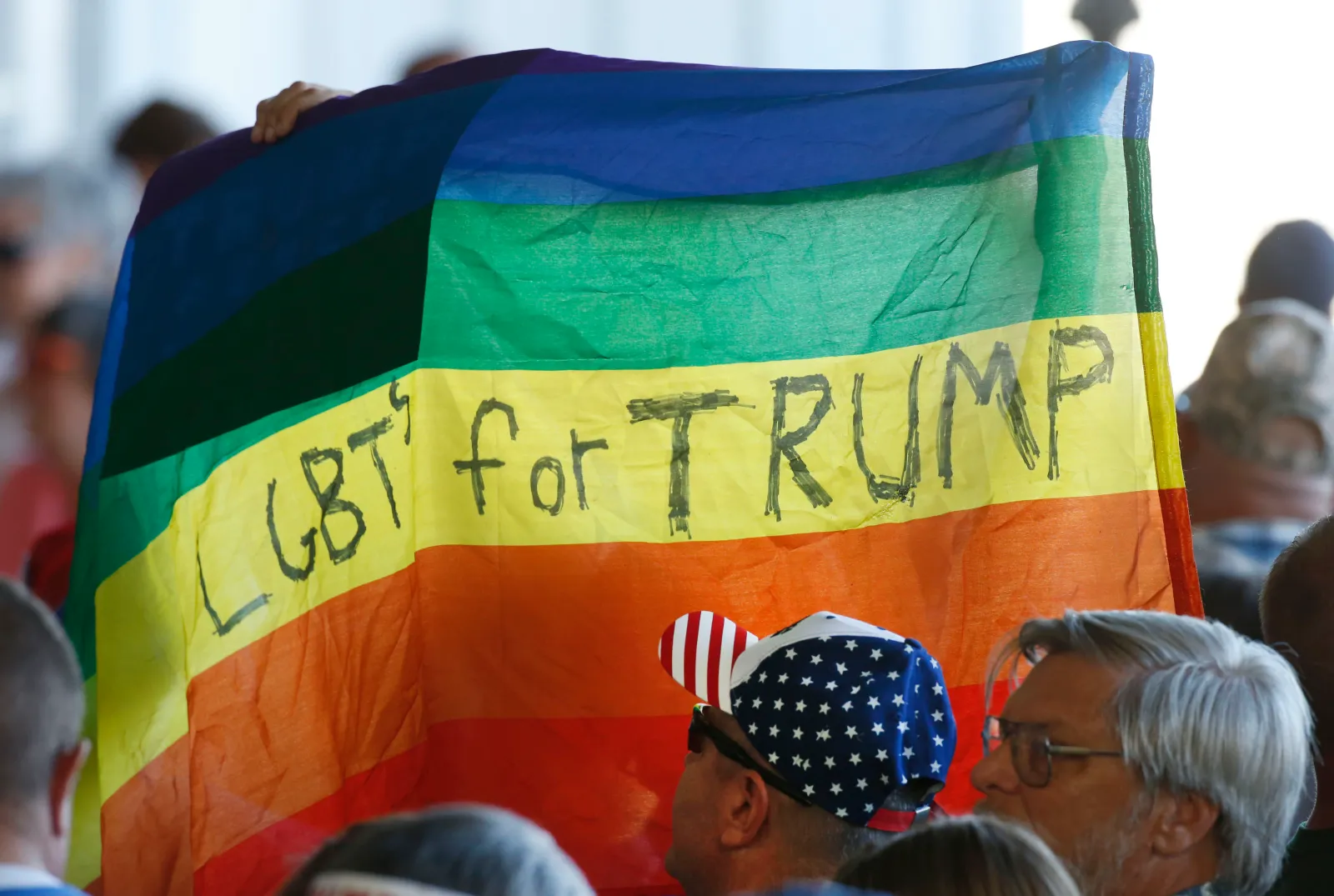
But the political picture is not straightforward. Trump appointed Richard Grenell as acting Director of National Intelligence—the first openly gay person to serve in a Cabinet-level role. Trump Treasury Secretary Scott Bessent is the highest-ranking openly gay official in U.S. history. During his 2016 presidential campaign, Trump held up a rainbow flag at a rally and pledged to protect gay Americans.
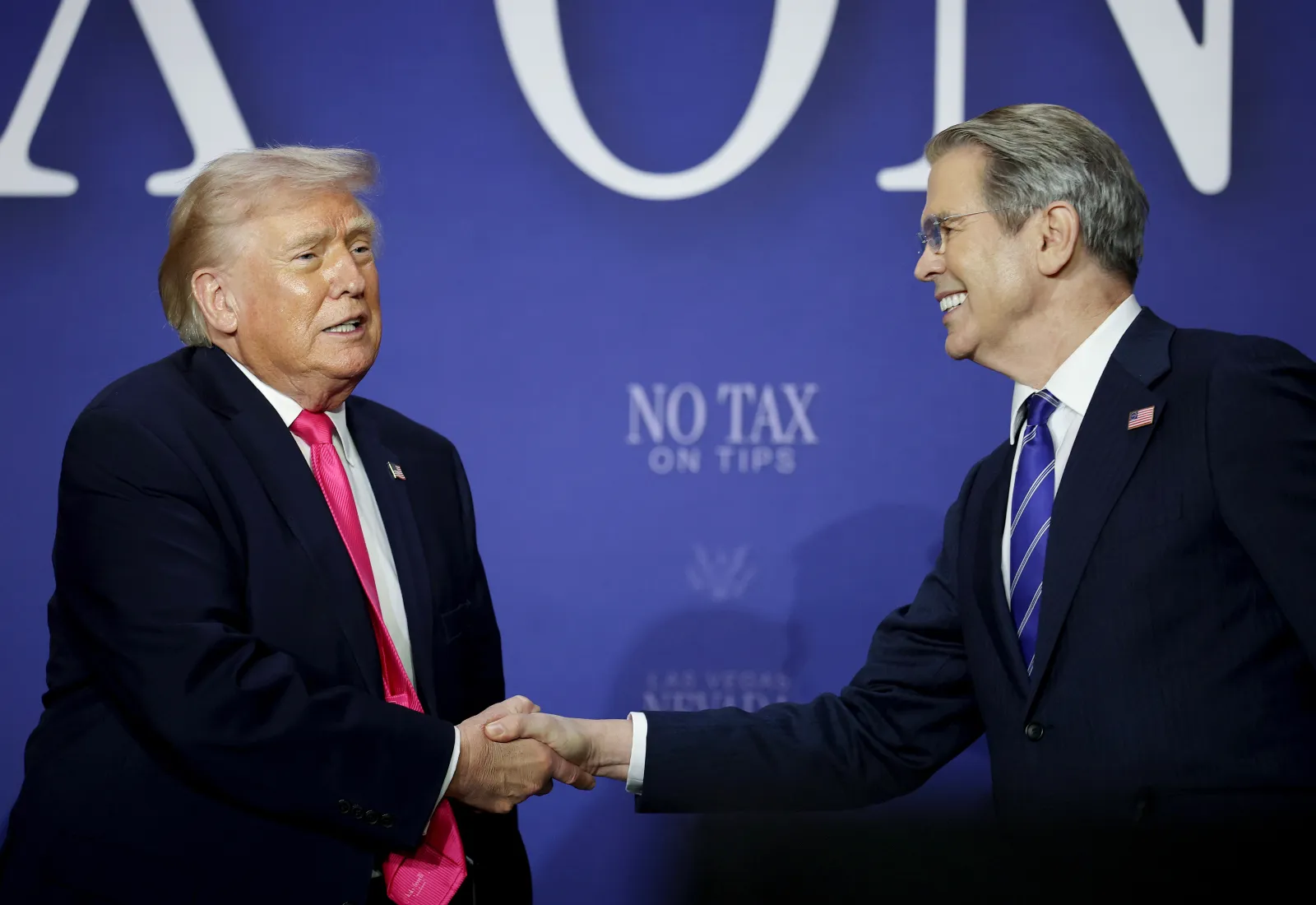
The administration has at the same time pursued an aggressive rollback of transgender rights, banning transgender service members from the military, restricting gender-affirming care for minors and directing federal agencies to recognize only two biological sexes.
In June 2025, the Supreme Court ruled in United States v. Skrmetti that a Tennessee law banning gender-affirming care for minors is constitutional, a significant blow to trans rights advocates.
Support for Same-Sex Marriage Is Slipping
A Gallup poll published at the start of June found that about 65 percent of U.S. adults now say same-sex marriage should be legal, down from a peak of 71 percent in 2022 and 2023. Nationwide, 62 percent say gay and lesbian relationships are “morally acceptable,” the lowest level since 2016. The decline is driven primarily by Republicans, whose support has fallen to about 37 percent, though the downward movement is evident across all political groups.
The shift is significant because it suggests a potential turning point in one of the most dramatic shifts in opinion in modern U.S. history. Gallup’s previous surveys found support for same-sex marriage rose from 27 percent in 1996 to roughly 7 in 10 Americans in recent years.
Concerns about the legal standing of same-sex marriage have persisted since the Supreme Court’s 2022 Dobbs decision overturning Roe v. Wade, when Justice Clarence Thomas wrote separately that the court should reconsider other substantive due process precedents, including Obergefell v. Hodges, the 2015 ruling that legalized same-sex marriage nationwide. The court has not moved in that direction.
Pride Is Not Going Anywhere
Organizers say events are proceeding regardless. Central Alabama Pride has 42 events planned over two weeks, culminating with a parade on June 13 and a festival on June 14.
“It’s not lost upon LGBTQ people when elected leaders don’t recognize or value the visibility of the community,” said Josh Coleman, president of Central Alabama Pride. “That’s why Pride started in the first place — to make sure the community had a community.”
June Pride celebrations began in 1970 to mark the first anniversary of the Stonewall raid and have since expanded to cities worldwide.
“You can call it whatever you want,” said Jordan Braxton, co-president of USA Prides. “But one thing you’re not going to do is take away our pride or take away our joy.”
Alex Richardson, chair of the board at Indy Pride in Indianapolis, acknowledged the governor’s Nuclear Family Month proclamation was a “swipe” but offered a reframe.
“Sure, the governor’s right, the nuclear family is worth celebrating,” Richardson said. “But I think so is the grandmother who raises her grandchildren, or the chosen family that shows up when a blended family can’t, or won’t, or the weird blended households that are held together by love and effort.”