The Responsibility of A Pet: Inside Pup O’Clock’s Emerging Model for Dog Ownership
During the early months of the pandemic, global interest in pet adoption surged as households sought stability amid disruption. As routines normalized, researchers and animal welfare groups began raising concerns about long-term ownership challenges, including separation anxiety and the risk that pets acquired during lockdown may not align with post-pandemic lifestyles.
Brian Manni, founder of Pup O’Clock, observed this cycle closely. “Post-COVID, everyone was getting dogs, and everyone was returning dogs,” he explains. “At the same time, it was the same story we’ve seen forever. Kids love the dog, but after a couple of weeks, the shine wears off. They don’t have the tools to follow through.”
This gap, he believes, has less to do with the dog and more to do with how responsibility is introduced. For many children, the desire to care exists, but the structure to sustain that commitment does not. Pup O’Clock was created to address this exact disconnect.
Manni’s journey toward building the company runs parallel to a deeply personal transformation. Now three years sober, he recalls his recovery as a complete rebuild of identity, grounded in discipline, consistency, and accountability. Those same principles became the foundation of Pup O’Clock. “Through my sobriety journey, I understood what happens when you don’t have the tools to take responsibility for anything,” he says. “I wanted to give kids an opportunity to experience the opposite early in life.”
Pup O’Clock begins with a simple, structured concept: a monthly themed, mission-driven subscription box designed for children and their dogs. While it may initially resemble a traditional pet box, its intent is far more deliberate. Each delivery is designed as an engagement system that combines education, enrichment, and entertainment to sustain a child’s involvement over time.
“Hopefully it becomes something kids run to the door for,” Manni explains. “They keep engaging with their dog, and they start to see the value in that relationship. At the same time, they’re building discipline, patience, resilience, and self-sacrifice.”
Every family begins with a flagship box that establishes the framework of responsibility. It includes tools such as a chore chart, a responsibility contract, and a “gotcha” certificate that formalizes the bond between child and dog. These elements are designed to create a sense of ownership and accountability from the outset. According to Manni, educational and enrichment materials are developed by experts, including UK-based veterinarian Dr. Daisy and certified canine enrichment expert Tori Mistick, ensuring that guidance is both credible and practical.
Manni is clear about his role within the business. “I’m not the expert,” he says. “My role is bringing the right people together and creating the vision. This is about intentionality and building something that has real impact.”
Beyond the initial box, subsequent deliveries are built around broader social themes and missions. These include initiatives such as Deaf Awareness Month, Autism Awareness Month, and Pitbull Awareness Month. Each theme integrates training exercises, activities, recipes, and storytelling elements, including comics and collectible trading cards that introduce both fictional and real dogs.
Pup O’Clock positions itself as the entry point into a larger entertainment ecosystem that Manni is actively building. With partnerships such as Point Park University Center for Experiential Narrative Technology (CENT), known for its cinema arts programs, the company is expanding into animated storytelling through its ‘League of Pups’ concept. The long-term vision includes digital content, games, and character-driven experiences designed to deepen engagement while reinforcing the core message of responsibility.
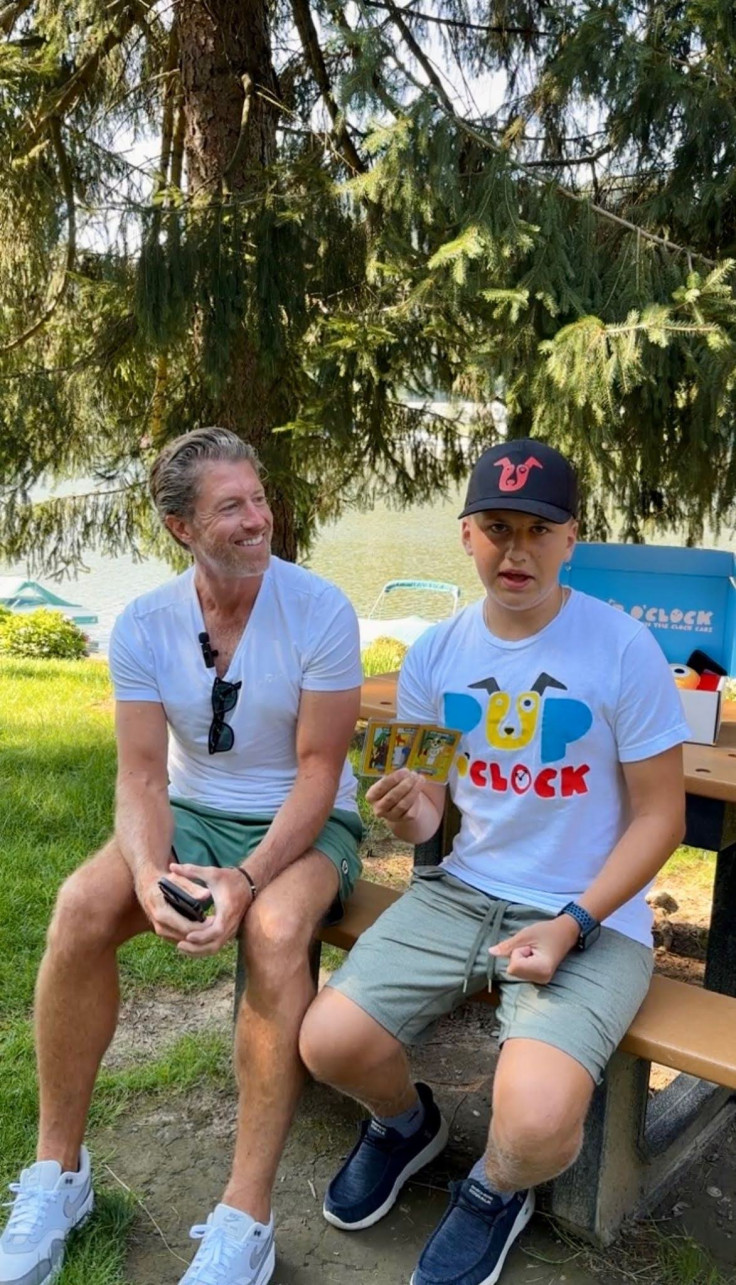
“We’re using entertainment as a vehicle,” Manni explains. “If you take concepts people already love and connect them to responsibility, it becomes something much bigger. This is about becoming a better person in general.”
At its core, Pup O’Clock is grounded in the belief that caring for a dog can play a meaningful role in childhood development. Research suggests that children who regularly interact with dogs often show stronger social-emotional outcomes, including improved prosocial behavior and fewer peer-related challenges. These relationships also encourage active play and outdoor engagement, creating consistent opportunities for movement, interaction, and experiential learning.
“This is a different kind of schooling,” Manni says. “It’s a practical application. It teaches you how to learn, how to show up every day, and how to be responsible. Those habits carry into everything else in life.”
According to him, the benefits extend beyond the child. For dogs, structured engagement can significantly improve behavior, mental stimulation, and overall well-being. Manni views the relationship as mutually reinforcing. “Dogs are the heroes,” he says. “They’re the ones that give everything. If we can strengthen that bond, the dog reaches its full potential, and the child grows with it.”
Pup O’Clock also integrates a strong social impact component. The company works with shelters and special needs organizations, supports awareness initiatives, and highlights the role of therapy and service dogs, particularly for veterans. While financial contributions are part of the model, Manni emphasizes that long-term change depends on behavior. “You can throw money at a problem,” he says, “but unless you change how people act, nothing really shifts.”
The company itself is still in its early stages, referred to by Manni as a growing startup. Built alongside his 14-year-old son Luca, whom he refers to as his co-founder, Pup O’Clock carries a generational perspective that reinforces its mission.
“The name reflects our philosophy. Dogs require around-the-clock care,” Manni explains. “There’s always something you can be doing to build that relationship.”
For families considering a dog, or those already navigating the challenges of shared responsibility, Pup O’Clock offers a structured alternative to the status quo. It provides children with the tools to take ownership, parents with a system of support, and dogs with consistent care.
As Manni frames it, the outcome extends far beyond pet ownership. “If kids learn to show up for something every day, something bigger than themselves, that changes who they become,” he says. “And that’s the real goal here.”