U.S. wildfire acreage reaches highest level in a decade
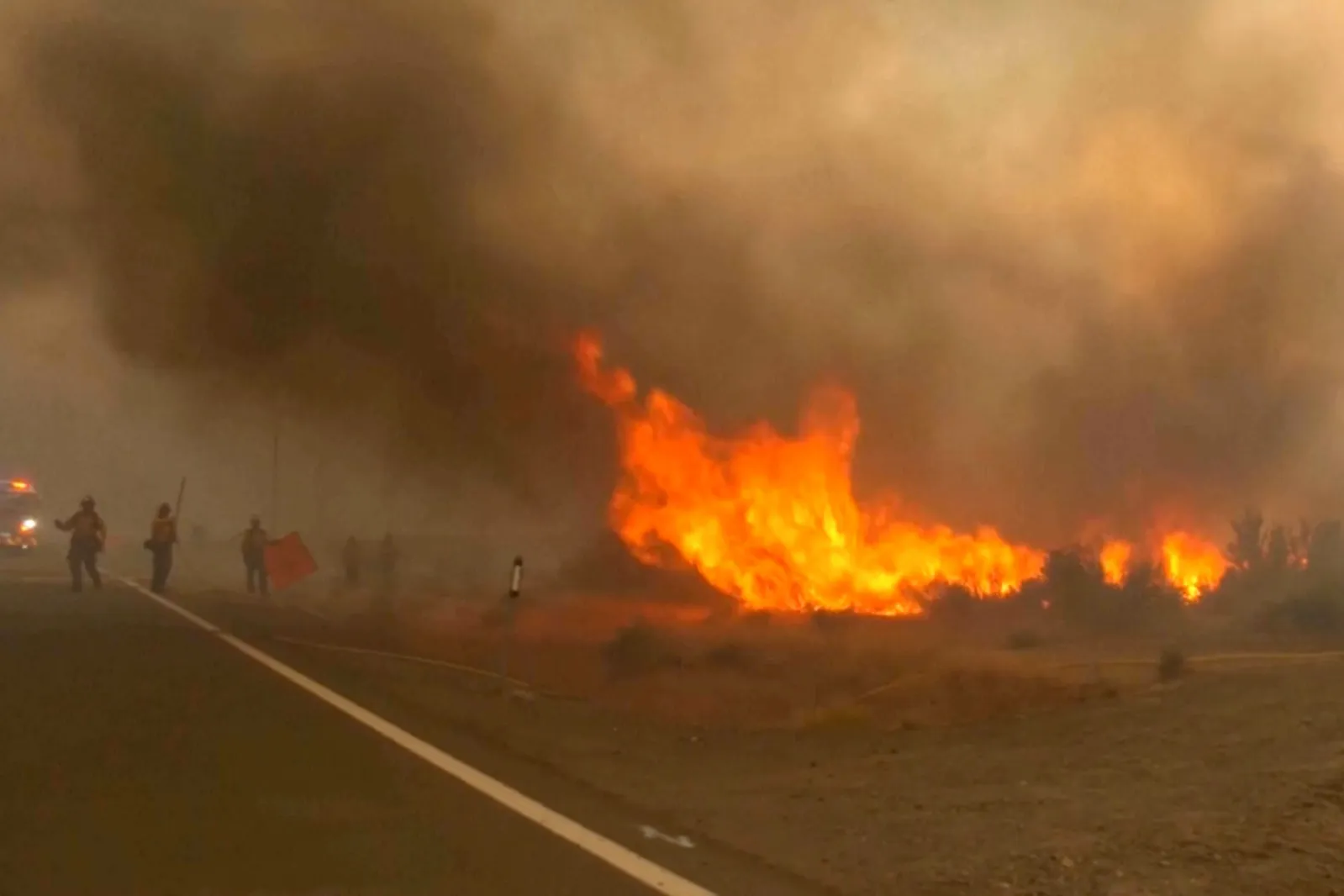
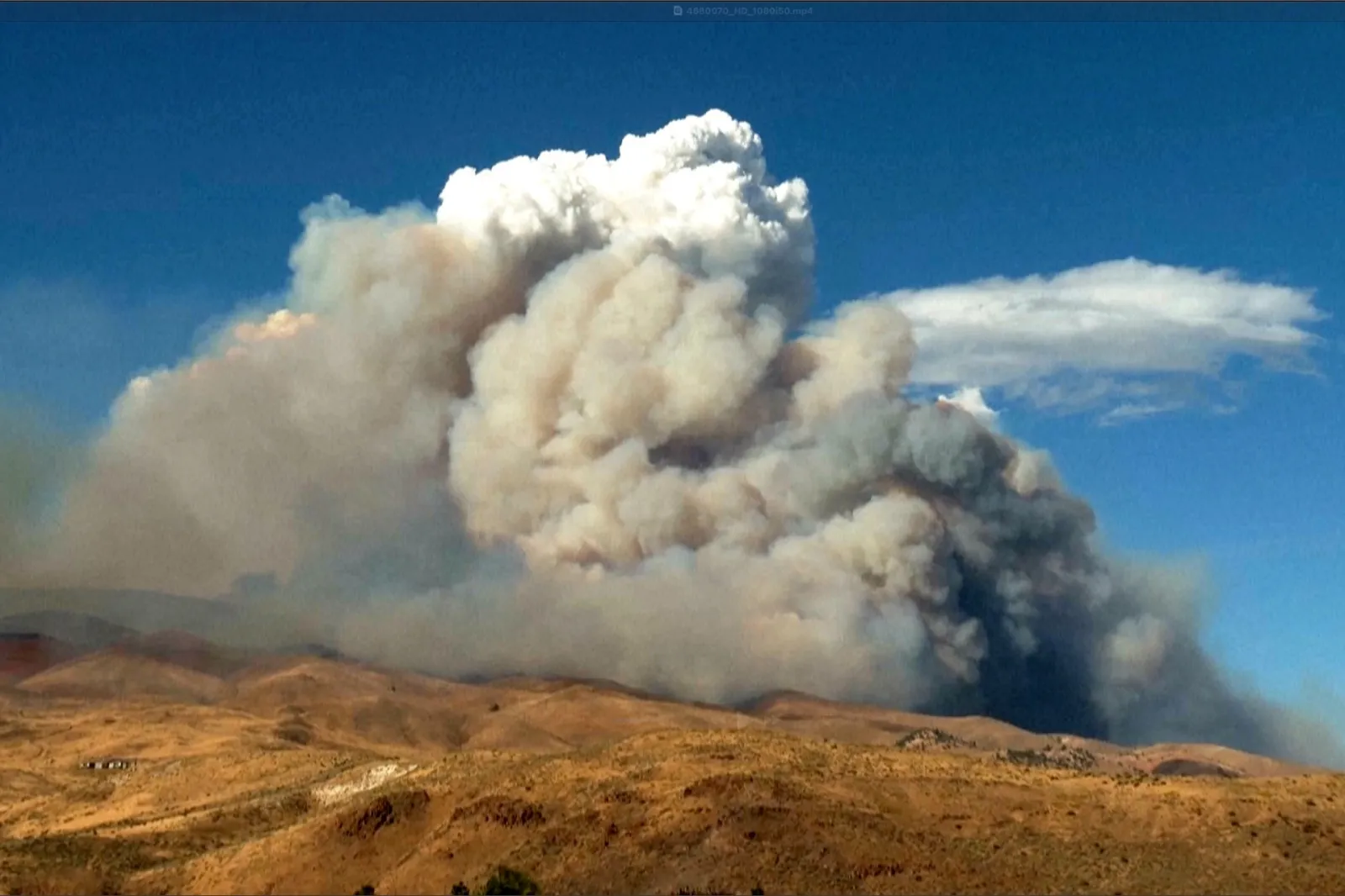
More than 8.3 million acres have burned across the country so far this year, making it the nation’s most destructive wildfire year by acreage in at least a decade, according to data from the National Interagency Fire Center (NIFC).
Fire officials reported that crews have responded to 53,030 wildfires nationwide this year, as large blazes continue to burn across the West despite some recent improvements in weather conditions.
The milestone comes after a summer marked by extreme fire activity across Oregon, Washington, Idaho and other states, with millions of acres consumed and thousands of firefighters deployed nationwide.
The surge in fire activity prompted federal officials to raise the national preparedness level to its highest setting during much of the summer before lowering it to Level 4 on September 4 as conditions improved in some regions.
Even with cooler temperatures arriving in parts of the Pacific Northwest, NIFC warned that late summer and fall remain dangerous periods because vegetation remains exceptionally dry across much of the country. Fire officials continue to caution Americans about potential ignition sources, including vehicles, equipment and campfires.
Oregon has seen the highest number of acres burned this year, with 1,199,105, according to NIFC data, with Washington state at a far second with 398,064 acres.
The scale of this year’s fires also far exceeds 2025. By late August, the country had already recorded more than 7.7 million acres burned, compared with about 4 million acres during the same period in 2025.
Newsweek reached out to NIFC by email for further comment Saturday.
Data on the Last 10 Years of Fires
Between January 1 and September 5 of each year from 2016 through 2026, wildfire activity across the nation has fluctuated in the number of total fires and the total acreage burned, NIFC data shows.
The 2026 season recorded the highest acreage burned during this comparative window, with 8,307,707 acres affected across 53,030 fires. The 2017 season followed closely behind with 7,925,998 acres burned from 47,298 fires. In contrast, the 2023 season saw the lowest impact during this timeframe, recording just 2,096,906 acres burned across 40,444 fires.
Large Fires Burning Now in the U.S.
As of September 5, firefighters were working to contain 78 large fires across the country, with nearly 17,812 firefighters and support personnel assigned to incidents nationwide, according to NIFC.
The largest concentrations of active large fires were reported in Washington and Montana, with 13 each, Idaho (12) and Oregon (9).
Among the largest active fires currently burning are:
- Big Grass Fire, Oregon: 578,637 acres, 94 percent contained.
- 0445 Crosswhite Fire, Oregon: 342,923 acres, 92 percent contained.
- Coleman Creek Fire, Oregon: 308,863 acres, 99 percent contained.
- Little Giant Fire, Washington: 170,784 acres, 81 percent contained.
- Sinlahekin Fire, Washington: 166,106 acres, 44 percent contained.
The Pacific Northwest remains the center of wildfire activity, although NIFC said cooler temperatures and increased moisture have begun reducing large-fire potential across portions of Washington, Oregon and Northern California.
1 of 2
Still, officials warned that extremely dry fuels remain widespread and that new fire starts remain possible across several regions as the wildfire season enters its final months.
“Late summer and fall are characterized by extremely dry fuels in many parts of the country, and several geographic areas continue to fight fires that present challenges to containment,” NIFC said in a press release Saturday. “Even if temperatures are coming down in your area, maintain heightened awareness of any possible sources of ignition.”
The agency cautioned ahead of Labor Day to make sure any cars used in travel “is in good working order and secure any chains or anything that could drag and spark.”
“Taking a Labor Day camping trip? Commit to practicing excellent campfire and/or barbeque safety. Watch for sparks, embers, and wind, and make sure your fire or grill is cool to the touch before you walk away from it,” NIFC said.
Contact Newsweek editors for this story: Steve Mollman and Anthony Murray.