
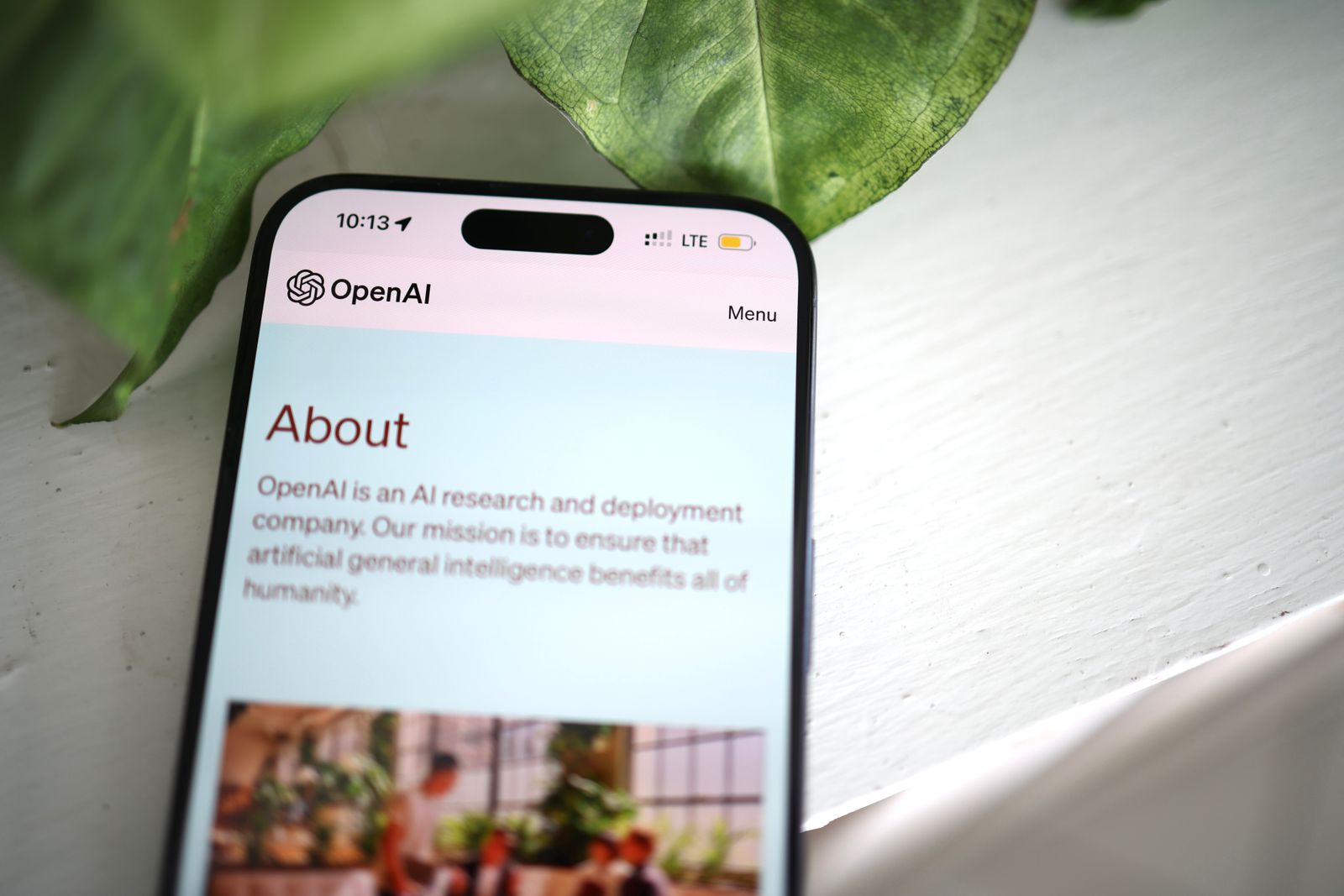
OpenAI Valuation Talks Reach $1.2 Trillion Before IPO
Large investors have been sounding out OpenAI on a raise priced near $1.2 trillion, the Financial Times reported Tuesday, attributing its account to people close to the discussions. The talks are early, the figure could move, and the company declined to comment. One detail stands out anyway: investors started these conversations, not OpenAI.
I know how that headline lands when you are trying to close a $2 million seed round. It feels like proof the game is rigged. It is not, and the useful read here has almost nothing to do with the number itself.
The Number Behind the Headline
Six months ago OpenAI closed a round with $122 billion in committed capital at a valuation of $852 billion. A $1.2 trillion mark would put the company roughly 41% above that in half a year.
Chief executive Sam Altman ruled out a 2026 listing in weekend remarks, citing safety concerns tied to the technology. Staff have since been told to expect 2027 instead. Rival lab Anthropic could start pitching its own listing as early as the second half of October.
| Event | Figure |
|---|---|
| March 2026 round, committed capital | $122 billion |
| March 2026 post-money valuation | $852 billion |
| Valuation under discussion, September 2026 | About $1.2 trillion |
| Implied move in roughly six months | About 41% |
Investors Came Knocking, Not the Other Way Around
Here is the part worth writing on a sticky note. The outreach was inbound. A company that already has enormous committed capital did not go hunting for more, and buyers came to it anyway.
That is the position every founder should want, and it is built long before any pitch deck exists. You get inbound interest by shipping something people pay for, then telling the truth about the numbers in public often enough that investors start tracking you on their own.
So the transferable lesson is not the valuation. It is the direction of the phone call.
What a Trillion Dollar Comp Does to Your Round
Very little directly, and that is good news. Nobody prices a seed-stage company off a frontier AI lab. Your round gets priced off revenue, growth rate, team and whatever three comparable deals your lead closed last quarter.
Indirectly, though, a raise this size pulls capital toward a handful of names. Limited partners who commit heavily to megafunds have less left for emerging managers, and emerging managers are often the people who write your first check. Watch that channel rather than the headline.
Valuation also cuts both ways once it is set. We covered this recently in a piece on the startup valuation reset, where a company priced at a 2021 peak eventually sold for a fraction of it. A high mark is a promise you have to grow into.
Borrow the Discipline, Not the Valuation
Start by separating the two questions founders constantly merge. What is my company worth, and how much cash do I need to reach the next proof point? The second question is the one that keeps you alive.
Then build the inbound engine. Publish your real metrics on a schedule. Answer investor questions in public. Make it easy for someone to find you when they go looking for companies in your category, because they will go looking.
Also decide now what you would say to a surprise term sheet. Founders who have not thought about it tend to accept, and the research on why startups fail is full of companies that raised at the wrong price rather than companies that could not raise at all. For the mechanics of what a public listing actually requires, the SEC keeps a plain-language explanation of the IPO process that is worth ten minutes.
The Signal to Track Through October
Anthropic’s expected mid-October marketing window is the thing to watch, not the OpenAI number. A completed listing gives the whole sector a public comparable, and public comparables discipline private prices fast.
If that listing goes well, expect late-stage AI rounds to stay aggressive into 2027. If it stumbles, expect the correction to reach seed and Series A within two quarters. Either way, the funds writing your check are reading the same tape, which is why the flow of capital into venture capital funds tells you more about your own timeline than any valuation headline will.
Common Questions About the OpenAI Valuation
Is $1.2 trillion final?
No. The reporting describes early conversations, and the figure may change over the coming months. Nothing has been announced.
Does this mean AI startups are easier to fund right now?
Easier to fund at the very top, not across the board. Capital continues to concentrate in fewer, larger deals, which leaves early-stage rounds competitive.
Should I reprice my own round upward because of this?
No. Price off your traction and your comparables. A mark you cannot grow into becomes a problem at your next raise.
When might OpenAI actually go public?
Company leadership has pointed to 2027 rather than 2026. Treat that as guidance, not a commitment.
