

Turning risk into a competitive advantage that drives growth
This year’s Singapore Corporate Awards’ Best Risk Management winners share their thoughts on how a mature approach to uncertainty can give leaders the clarity and confidence to pursue opportunity
[SINGAPORE] Risk management is often stereotyped as a defensive function but true excellence requires it to be a strategic enabler. We asked this year’s Best Risk Management winners how they have embedded risk culture so deeply into their organisations that it empowers their leadership to take bolder, calculated risks in an era of constant disruption.
ABOVE S$1 BILLION IN MARKET CAP
Shirish Apte, chairman, Keppel’s board risk committee (Gold)
“We regard sound risk management as integral to good commercial judgment. This begins with a strong risk culture and tone from the top. Our enterprise risk management framework looks at risk through multiple lenses – both financial and non-financial – covering all aspects of our business. These form the basis for Keppel’s board risk appetite which is cascaded through the organisation as key risk indicators (KRIs). Board risk appetite and KRIs provide the discipline and early warning needed to support informed decision-making. Equally important is looking ahead. Through stress testing for specific events, and cross functional thematic reviews, we try to identify emerging risks early and take appropriate mitigating action, as necessary. Good risk management gives the board and management the confidence to exercise sound judgment, and pursue opportunities with discipline, and safeguard the value we create over the longer term.”
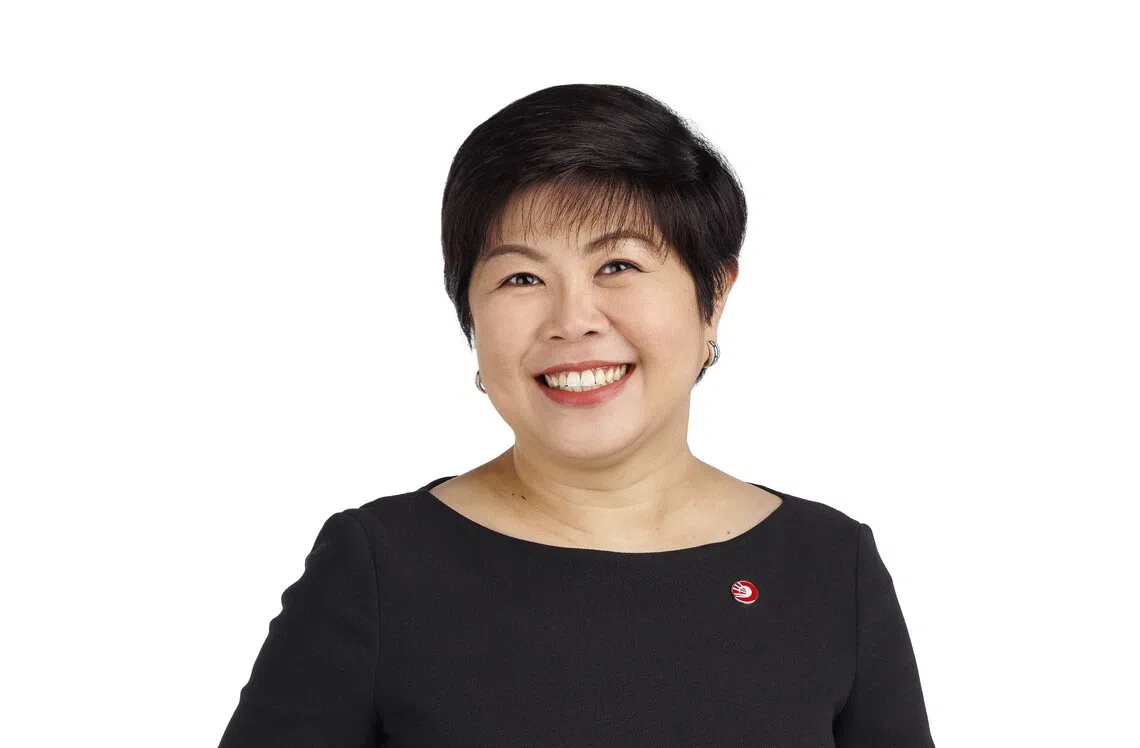
Carina Lee, group chief risk officer, OCBC (Gold)
“At OCBC, risk management is embedded throughout the client lifecycle and across the organisation. It is not only about identifying and mitigating risks, but assessing growth opportunities with discipline and foresight. This means anticipating emerging vulnerabilities, escalating concerns with transparency, and strengthening resilience to enable quality and sustainable growth. We reinforce a strong risk culture through processes such as our early warning risk forums, forward-looking stress tests and scenario analyses. These help us identify emerging vulnerabilities, strengthen organisational preparedness and provide decision-makers with greater clarity on potential outcomes and action plans. As a result, we are better positioned to navigate uncertainty and adapt to changing conditions. We have also invested in enterprise-wide initiatives such as our cyber smart programme and established governance frameworks to support the responsible adoption of AI and emerging technologies. These efforts embed risk ownership in everyday decisions and actions across the organisation. Ultimately, strong risk culture is the foundation of sustainable success. It provides the confidence, resilience and discipline needed to support our clients and businesses, create long-term value and deliver strong, quality and sustainable growth.”
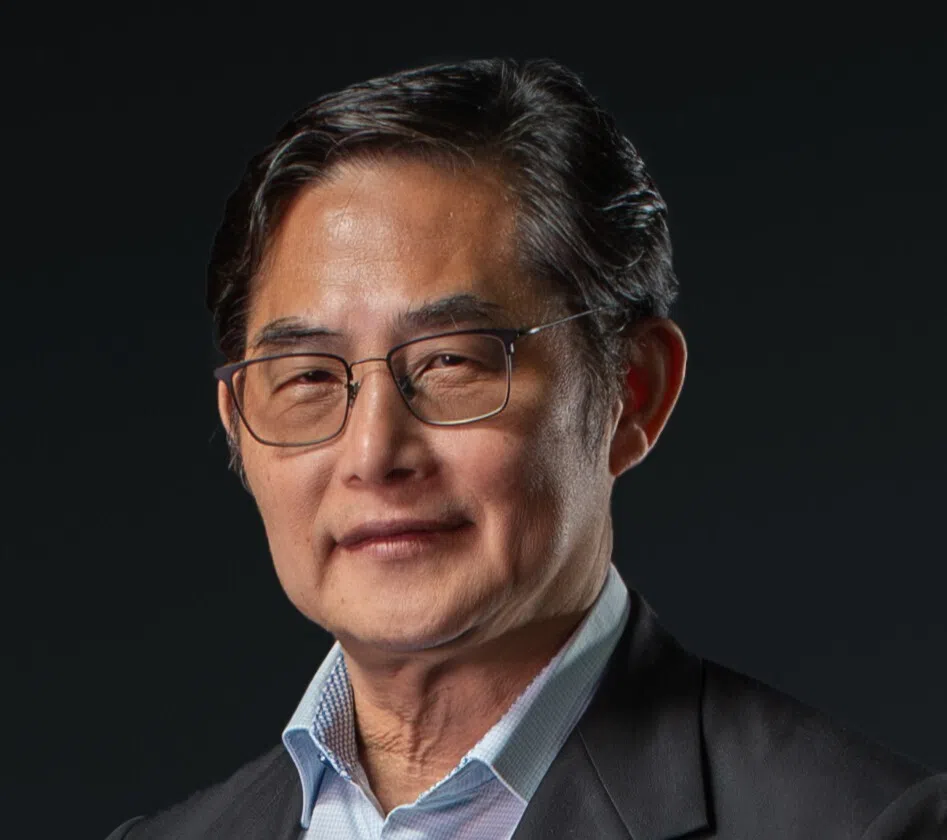
Lim Chung Chun, chairman and CEO, iFast Corporation (Bronze)
“Risk management’s real enemy is not uncertainty – it is complacency. Too many organisations mistake passiveness for prudence, hiding behind process instead of leading through it. We have built a different culture: one where courage and curiosity sit at the same table as controls. Our teams don’t ask, ‘how do we avoid risk?’ They ask, ‘how do we take the right risk, faster, with our eyes open?’ That is what turns governance into innovation. There is a Chinese expression, often associated with Deng Xiaoping, about crossing the river by feeling for the stones – testing each step, but never standing still on the bank. That is our risk philosophy: disciplined enough to see the stones, bold enough to keep crossing.”
BETWEEN S$300 MILLION and S$1 BILLION IN MARKET CAP
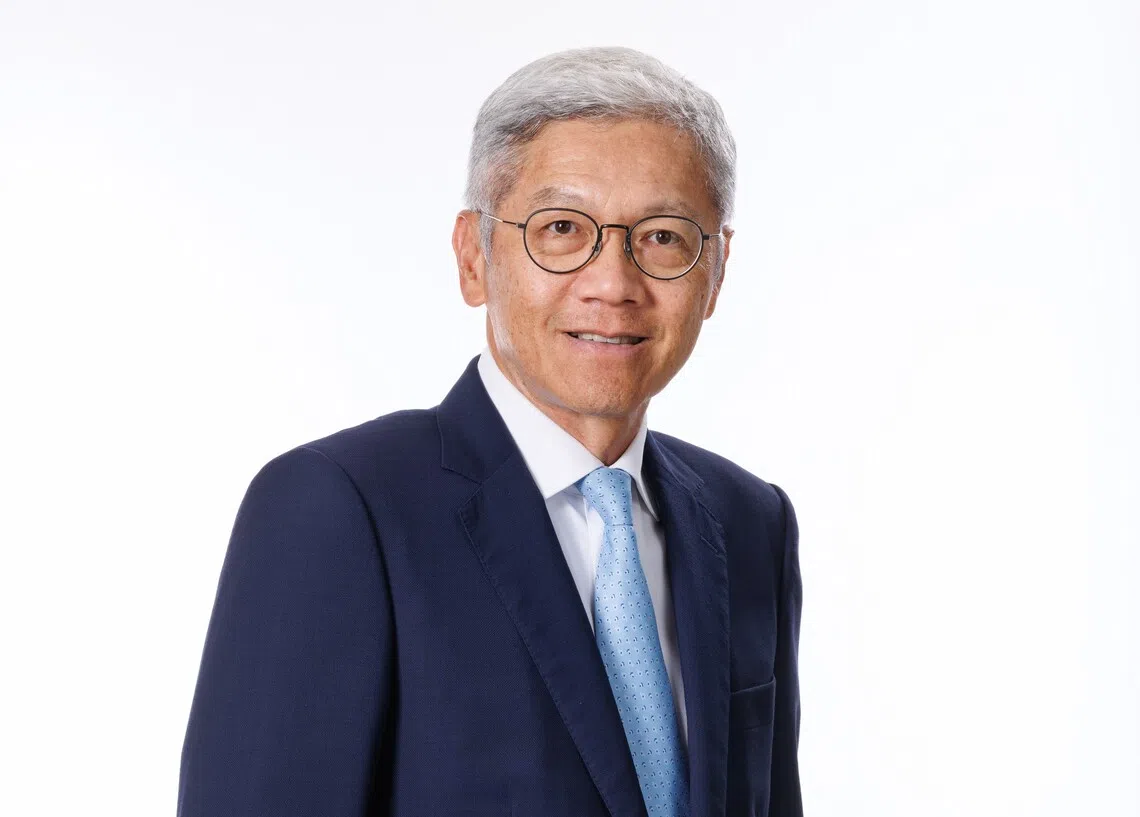
Lee Sze Leong, managing director and CEO, Sing Investments & Finance (Gold)
SEE ALSO

“Strong risk management is set from the top and embedded across the organisation at SingFinance. This shared culture ensures risk is never owned by one department alone but spoken as a common language across SingFinance. We see risk management as an enabler of confident decision-making. Risk is discussed early, not as a final checkpoint, but as part of how opportunities are evaluated, assumptions are challenged, and decisions are made. Ultimately, good risk management creates the confidence to move forward, balancing ambition with sound judgement, driving sustainable growth, and safeguarding the trust our customers and stakeholders place in us.”
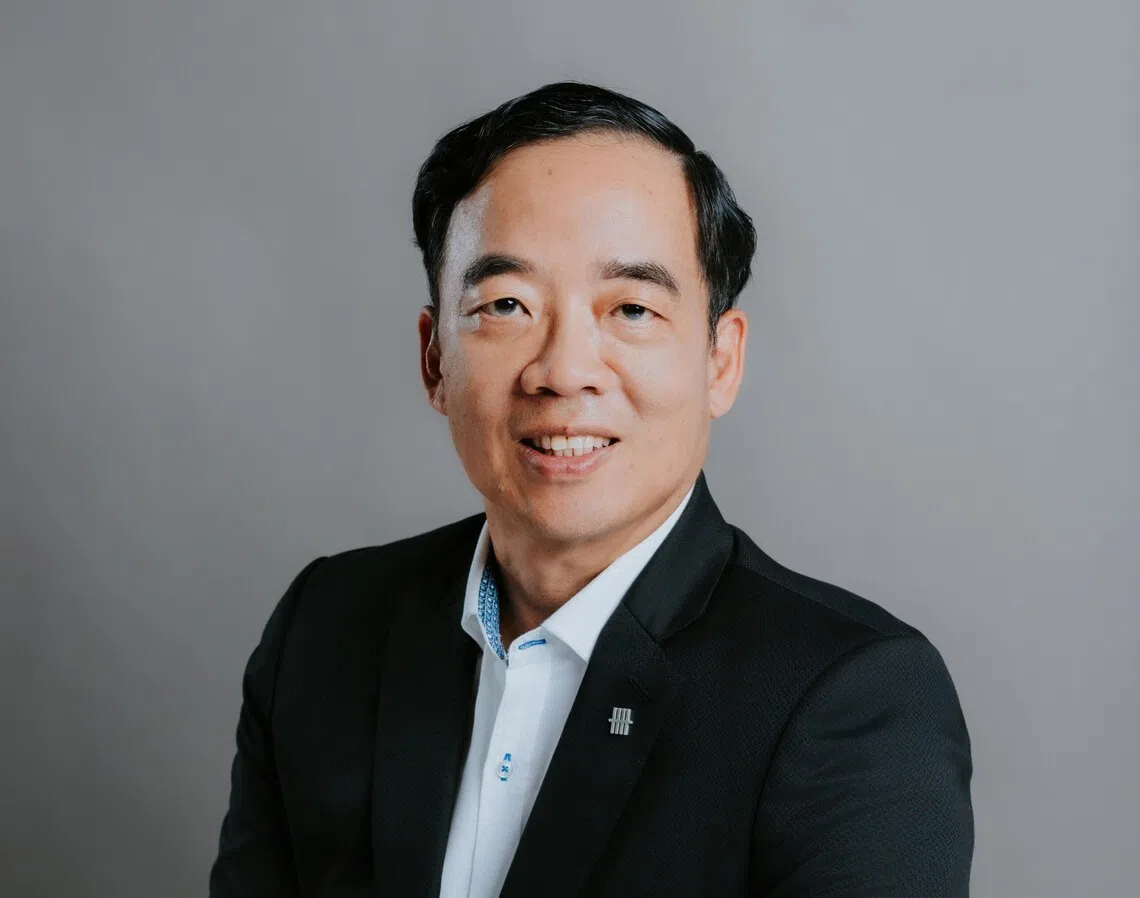
Andrew Lim, CEO, United Overseas Insurance (Silver)
“Risk management is not about saying ‘no’ or avoiding uncertainty; it is about building the confidence to say ‘yes’ to the right opportunities. In our company, risk culture starts with the leadership team. We invest in risk culture and risk management awareness so that every employee understands our strategy and goals, the risks we face, and the role they play in managing those risks. Risk ownership sits with every leader, not just the risk function, ensuring that decisions are made within our risk appetite and aligned with long-term value creation. In an era of constant disruption and evolving risk landscape shaped by technological changes, geopolitical developments and emerging risks, clarity on our risk appetite helps us take calculated risks with confidence. In today’s world, standing still can be just as risky as moving forward. A strong risk culture empowers our people with the discipline to manage uncertainty and the confidence to keep moving forward.”
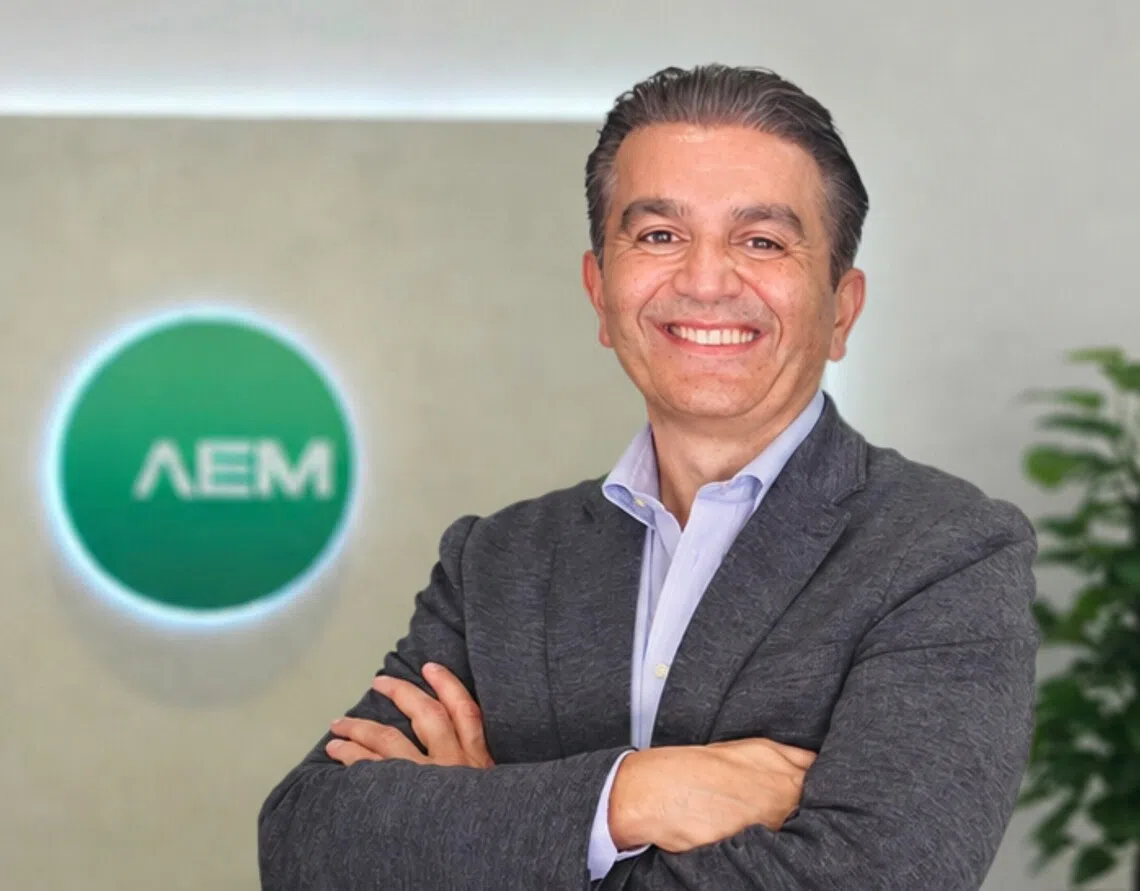
Samer Kabbani, CEO, AEM Holdings (Bronze)
“We reject the notion that risk management and bold leadership are in tension. We operate in a highly competitive, fast-moving industry, where hesitation is punished as severely as recklessness. That’s why we have built our risk culture into a proactive, forward-looking capability, and not a rear-view compliance exercise. Our teams identify, quantify, and assess risk early, treating it as an input to our strategy, rather than a reason to pause. This is what allows our leadership to commit to ambitious bets across the company with conviction, because we understand precisely what we are exposed to and we have built the resilience to absorb it.”
BELOW S$300 MILLION IN MARKET CAP
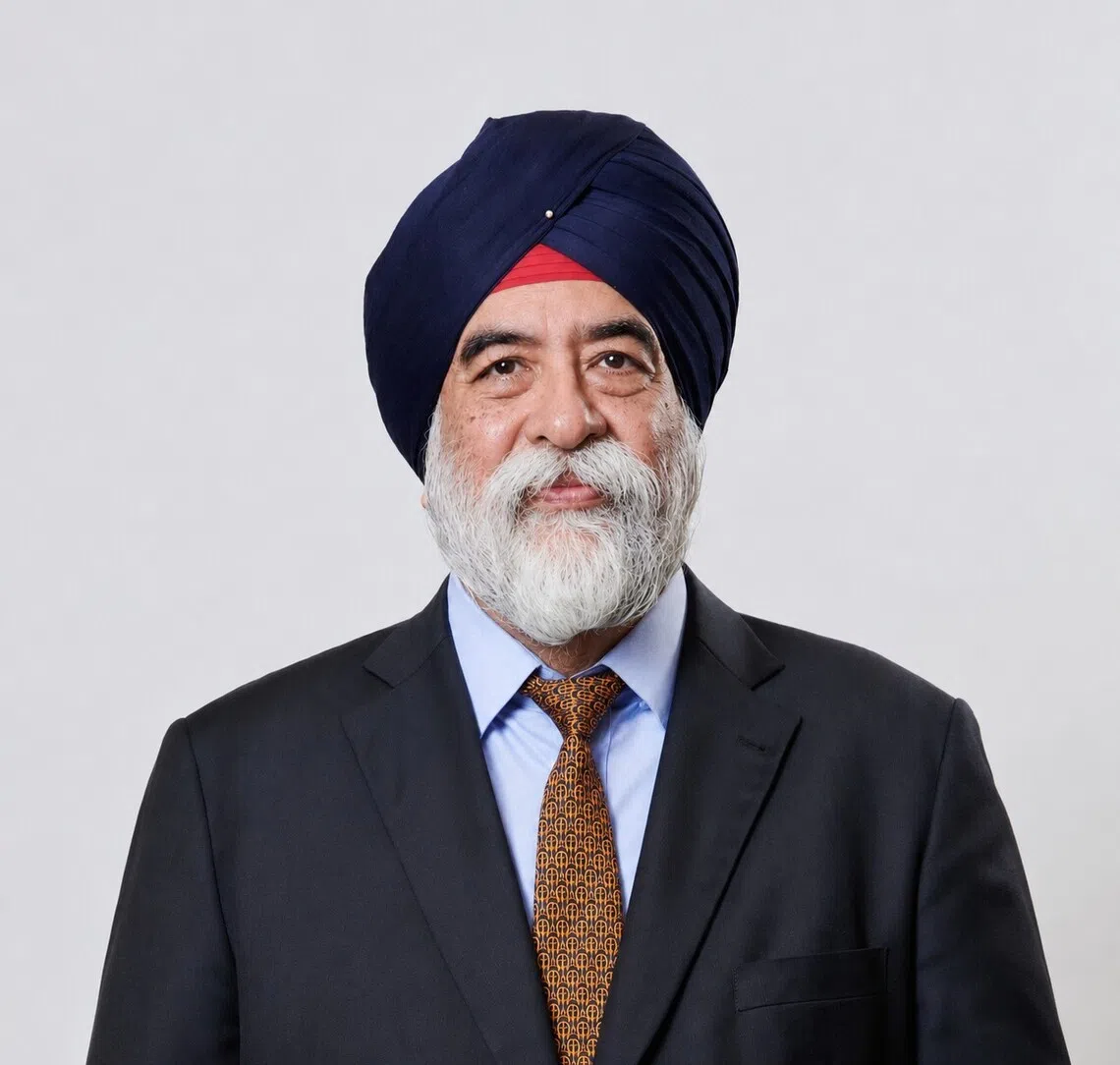
Inderbethal Singh Thakral, executive director and chief executive officer, Thakral Corporation (Gold)
“Entrepreneurship has always been part of our DNA. Whether we are building distribution partnerships, managing supply chains, representing leading brands, or investing in long-term growth platforms, risk management has to be embedded in how opportunities are shaped, rather than treated as a checkpoint at the end. Our leaders are encouraged to be entrepreneurial, but never speculative; to move quickly, but with a clear understanding of customer demand, inventory exposure, partner reliability, capital allocation and downside protection. Before any major decision, we consider whether we can live with the downside if things go wrong – financially, operationally and personally – and still sleep well at night knowing the risks were understood and consciously accepted. For us, risk culture is not about saying no. It gives our people the confidence and framework to make calculated decisions and say yes to the right opportunities. Risk discipline is what gives entrepreneurship its licence to act.”

Kyle Borch, CEO, Micro-Mechanics (Holdings) (Silver)
“In business, successful companies work hard to minimise disruptions while they seek innovations to disrupt the status quo. Good risk management is really a by-product of good governance, an ability to look around the corner, and the discipline to keep working on the right things for the long term. Since the early days at Micro-Mechanics, we have worked constantly to build and strengthen our processes – from everyday operations to long-term planning – and enable our people to learn, grow, and continuously improve the effectiveness of their daily decision-making and actions. This has never been more important to success than in today’s world of accelerating change, increased volatility, and global competition.”
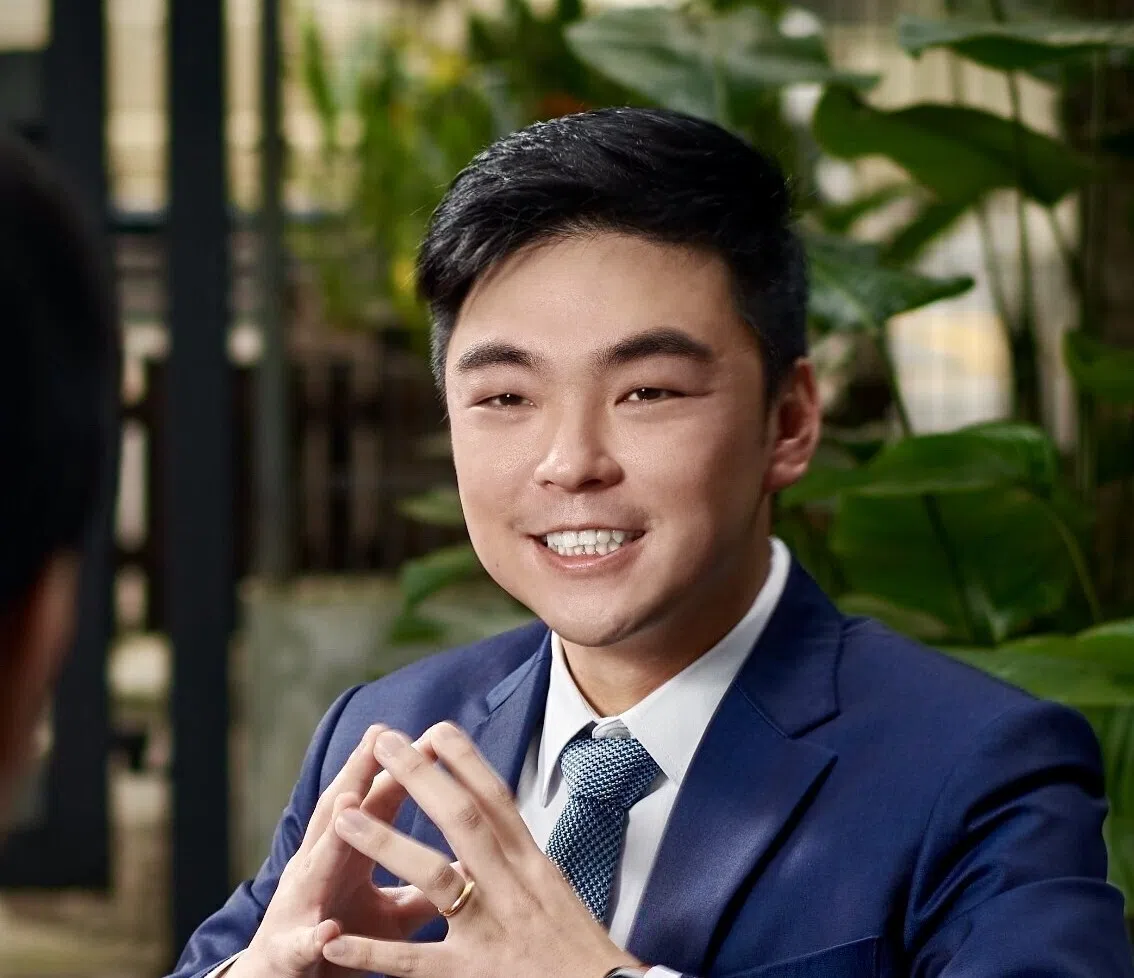
Zach Lee, deputy CEO, Hotel Royal (Bronze)
“Risk management at Hotel Royal is not about saying no, nor about taking fewer risks. It is about taking the right risks, with the confidence that we can still sleep well at night. We operate in a world where geopolitical and economic shocks are becoming less predictable. In this environment, workplace culture is one of our most important risk management tools. By empowering employees across all levels to highlight vulnerabilities and suggest practical improvements, we strengthen productivity, accountability and early response. When people have clear ownership, open communication and the confidence to raise issues early, the organisation becomes more agile and better able to deal with the unexpected. Over the past year, we embedded risk awareness through leadership renewal, clearer reporting lines, stronger governance oversight and better ERP-enabled visibility. For us, strong risk management allows Hotel Royal to grow with confidence and integrity.”
