

Images Reveal Plans for 180-Acre Mega Development in DC
New images have revealed how a 180-acre stretch of Washington D.C. could be dramatically transformed over the next decade as part of a redevelopment plan that includes thousands of new homes and a new stadium.
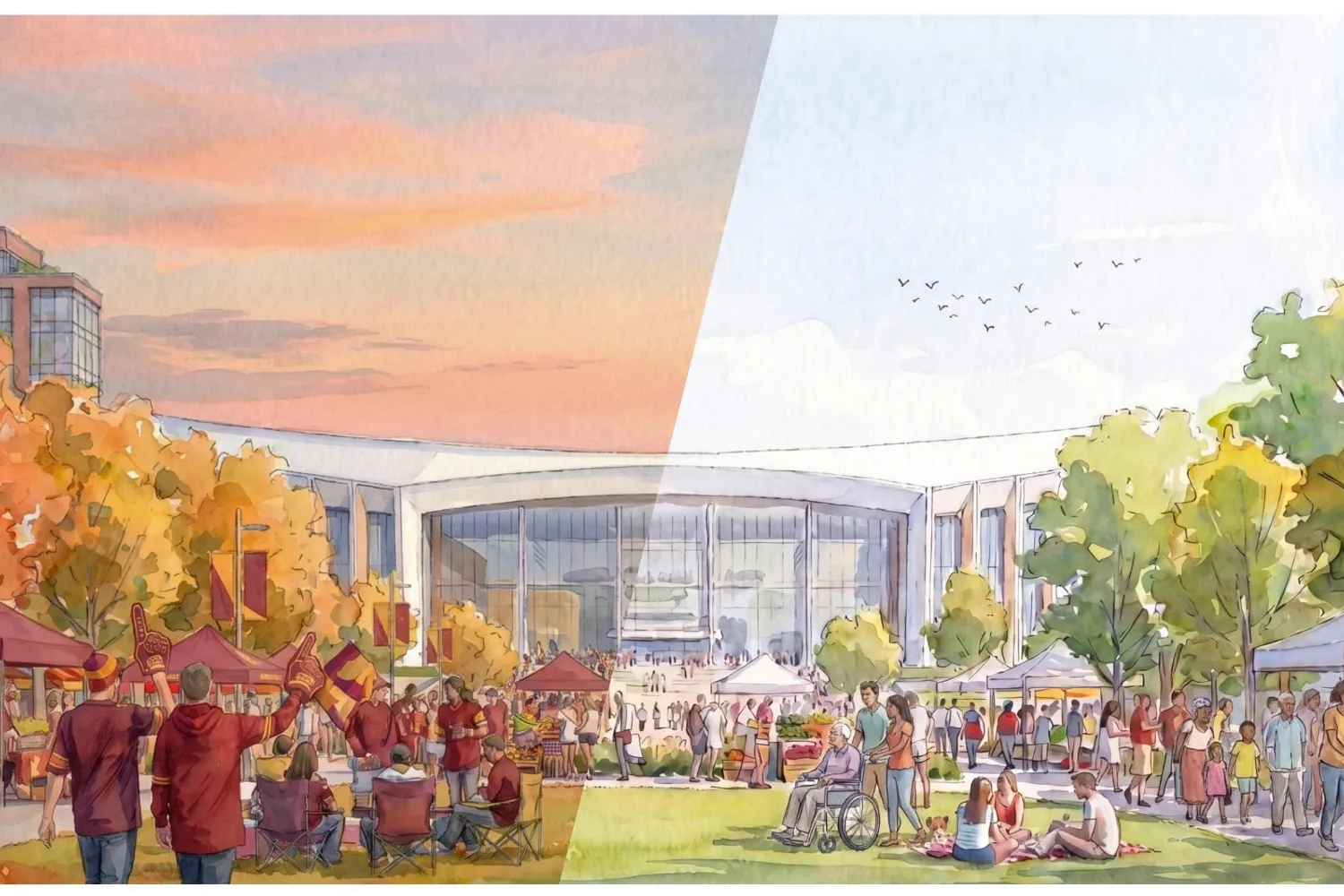
Situated along the Anacostia River, the Robert F. Kennedy Campus plan would create a mixed-use district featuring up to 6,500 homes, a roofed stadium, hotels, offices, parks and entertainment venues.
On Thursday, Mayor Muriel Bowser’s administration submitted the final Robert F. Kennedy Campus Master Plan to the DC Council, outlining a redevelopment that officials say could generate more than $4 billion in tax revenue and create thousands of jobs.
The vision for RFK arrives amid broader efforts to reshape parts of the nation’s capital by President Donald Trump who has made his own updates to not just the White House, but wider D.C. too, with more projects planned including a triumphal arch that can rapidly deploy drones and snipers.
Newsweek reached out to Bowser’s office via email for comment and is awaiting a response.
What Is Planned for the RFK Site?
The plans, submitted to the DC council this week by Mayor Bowser’s office, plan an impressive redesign of the former Robert F. Kennedy Stadium site where demolition was completed earlier this year.
The area is also home to 27 acres of recreational grounds including athletic fields, playgrounds and trails and large areas of surface parking.
“Today, much of the RFK campus consists of athletic fields, parking lots and open land surrounding the former stadium site,” the new plan document reads. “Under the new master plan, those areas would be transformed into a mixed-use district with thousands of homes, a stadium, parks, shops and entertainment venues.”
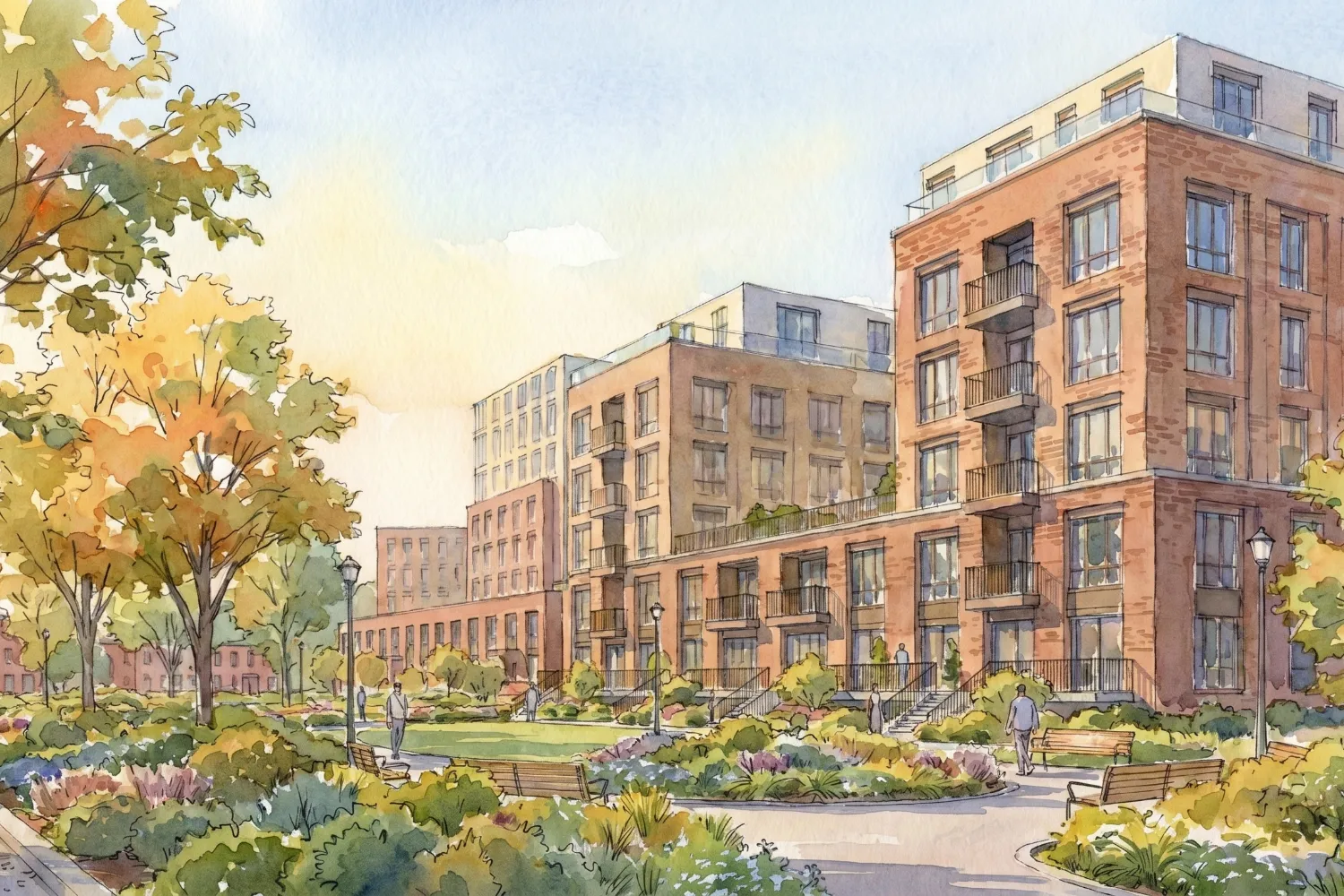
Within the plan that covers 180 acres of space around the campus, there are plans to build up to 6,500 homes—with at least 30 percent dedicated to affordable housing—a new stadium district, hotels, offices and retail space.
There is also provision to include a new Sportsplex recreational facility, more than 46 acres of parks and open space and new transit, cycling and pedestrian infrastructure.
When Will It Happen?
The master plan was submitted to the DC Council this week, and if approved the project would be expected to be built in phases over the next decade.
The stadium and Sportsplex are expected to be delivered first, followed by additional plans later.
While there is no exact date for opening, the plan’s “Day One” phase is tied to the opening of the new Washington Commanders stadium in 2030.
While the plan has been submitted to the DC Council, several major steps remain before work can begin. The project is still undergoing federal environmental review under the National Environmental Policy Act (NEPA), while future zoning changes must also be approved.
Local concerns have focused particularly on transportation, neighborhood access, and the scale of redevelopment. ANC 7D Chair Brian Alcorn has questioned how the surrounding roads, businesses, and residential areas will accommodate a project that he said could change the neighborhood “drastically in such a short period of time.”
ANC 7D has also formally called for parking facilities that do not block access to Anacostia River recreation areas or disproportionately increase traffic in adjoining neighborhoods, and commissioners and residents have raised specific concerns about congestion and parking associated with proposed transit infrastructure near Kingman Park.
Housing is another community consideration: ANC 7D Commissioner Katie Murphy has publicly supported substantial housing at RFK, including affordable and family-sized units, while the District’s plan proposes 5,000 to 6,500 homes, with at least 30 percent designated as affordable.
Environmental and public-space concerns also center on protecting access to the Anacostia waterfront, parks, trails, and recreational areas as development proceeds.
The district has said the master plan is intended to improve waterfront connections and preserve and expand recreational and green spaces, but many detailed transportation and infrastructure questions remain subject to subsequent studies and implementation decisions.
What Will It Cost And Who Is Paying?
The master plan itself does not provide a total cost for the entire 180-acre development, but does claim that the site will bring more than $4 billion in new tax revenue over 30 years, provide around 30,000 construction jobs and around 2,000 permanent jobs.
Funding is expected to come from a mix of public and private investment. Stadium-related elements would be developed in partnership with the Washington Commanders, while portions of the wider redevelopment will be carried out by private developers working with the District. The city would be expected to deliver the Sportsplex and other infrastructure components.
Contact Newsweek editors on this story: John Fitzpatrick and James Debens
