
Small Warehouse Space Model Expands Across Denver Metro
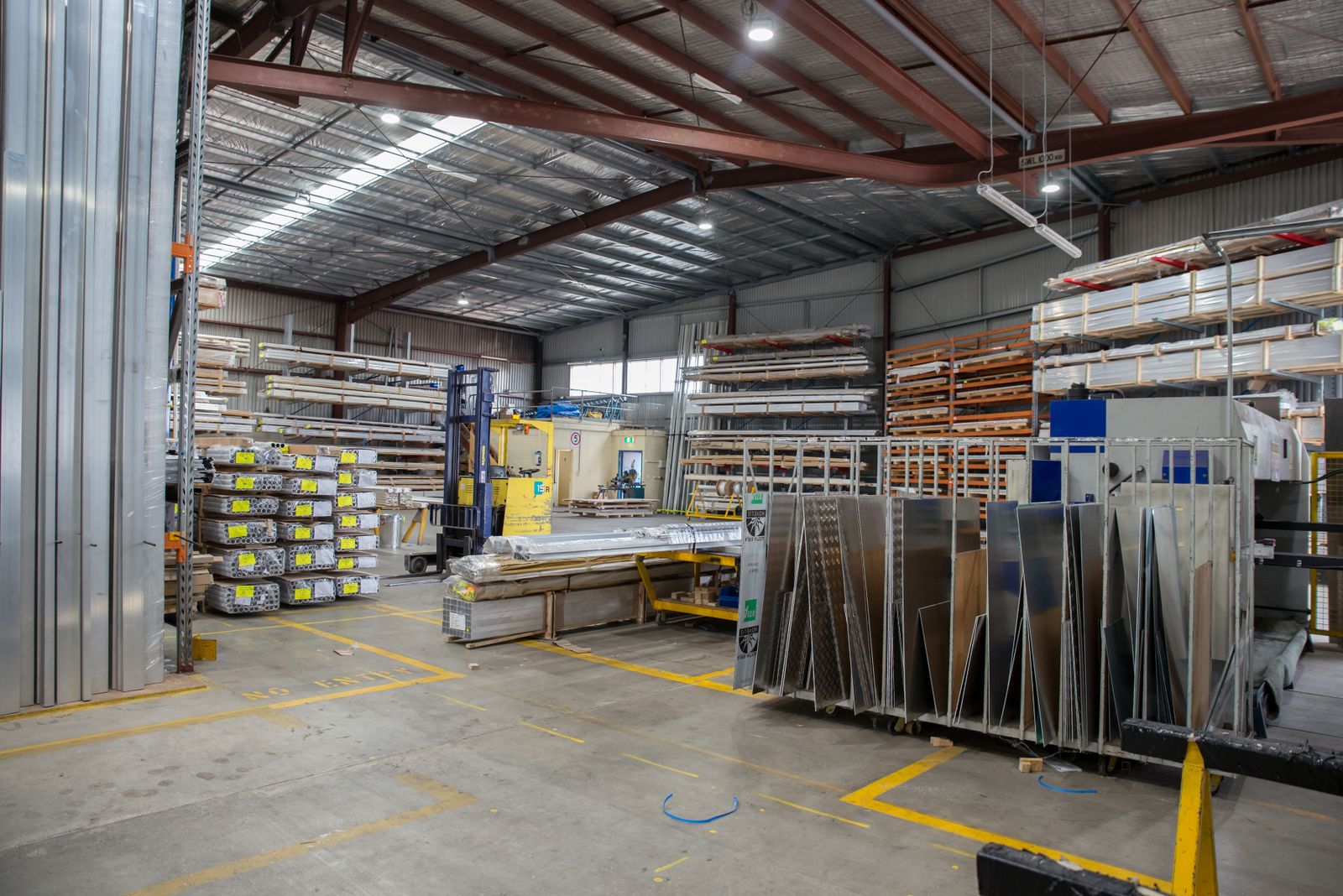
I used to tell product founders that their first warehouse would be the decision that nearly killed them, and now that advice is aging fast, because WareSpace opened a second Denver-area site built for small operators. The Park Hill property at 5150 Colorado Blvd runs 129,000 square feet and was carved into private micro-bay units. A grand opening event is set for August 27.
Here is why that matters to anyone selling physical products. Small warehouse space has historically been the hardest thing for a young company to rent, because landlords want long terms and big footprints, and you want neither. When the unit size drops and the lease shortens, the barrier to running real inventory drops with it.
What the Park Hill Site Actually Offers
Units start at 200 square feet and scale past 2,000. Pricing is all-inclusive and begins around $1,000 per month, with terms running six to twelve months.
Each unit sits inside a shared building with loading docks, year-round HVAC, shipping areas and on-site support. That combination matters more than square footage, since a founder without a dock is a founder loading boxes through a roll-up door by hand.
| Total building size | 129,000 square feet |
| Unit range | 200 to 2,000+ square feet |
| Starting price | About $1,000 per month, all-inclusive |
| Lease terms | Six to twelve months |
| Address | 5150 Colorado Blvd, Denver |
Location was clearly part of the plan. The site sits roughly five minutes from I-25 and seven from I-70, with Denver International Airport about 22 minutes away and downtown about 17.
Why the Lease Term Beats the Square Footage
Traditional industrial leases run three to five years. That structure forces you to guess your volume years ahead, and guessing wrong in either direction is expensive.
A six-month term changes the risk profile entirely. You can size the space to this quarter’s inventory, then expand or exit without a personal guarantee hanging over the decision. For a founder with uneven seasonal demand, that flexibility is worth more than a lower per-foot rate.
Run the comparison honestly, though. All-inclusive pricing bundles utilities and common area costs that a raw industrial lease charges separately, so compare total monthly outlay rather than headline rent.
When Renting Beats Third-Party Logistics
Plenty of young brands start with a 3PL, and that is often correct. Outsourcing removes labor, equipment and lease commitments in one move.
Control is what you trade away. Custom packaging, kitting, fast product changes and same-day fixes are all harder when someone else touches the boxes, and margin gets thin once pick fees stack up at volume. The tradeoffs are worth mapping carefully against how ecommerce order fulfillment shapes your customer experience.
A middle path works for many founders. Keep your best sellers in your own unit for speed and control, and push overflow or bulky items to a partner.
Getting the First Unit Right
Size the space to peak inventory, not average inventory. Founders who rent for their quiet months end up stacking pallets in the aisle every November, which slows picking and creates real safety problems.
Set up systems before you move product in. Bin locations, barcodes and a cycle count schedule are far easier to establish in an empty room, and disciplined warehouse inventory management is what keeps a small unit from turning into an expensive closet.
Then budget honestly for labor. A unit you staff yourself is cheap until it consumes the hours you should spend selling, a trap that catches many operators in the growing solopreneur economy.
Where Flexible Industrial Space Goes Next
Watch whether this model spreads beyond major metros. Micro-bay operators have concentrated in large markets so far, and secondary cities would open the option to a much wider set of founders.
Also watch pricing as demand grows. Flexibility usually carries a premium, and if that premium widens, the calculation against a traditional lease or a 3PL shifts again. Check the numbers annually rather than assuming today’s answer holds.
Questions Founders Ask About Renting Warehouse Units
How much space does a small ecommerce brand need?
Many early brands operate comfortably in 200 to 500 square feet, then scale up as SKU count and peak-season inventory grow.
Is a short lease more expensive per square foot?
Usually yes. You are paying for flexibility and bundled services, so compare total monthly cost against a traditional lease plus utilities and equipment.
Should I hire staff or do it myself?
Start yourself to learn the workflow, then hire once picking and packing regularly crowd out sales and product work.
Dream big, but rent small. Take the smallest unit that handles your peak, prove your fulfillment process works, and expand only when the numbers force your hand. For broader guidance on choosing a business location, the U.S. Small Business Administration keeps a practical checklist.
