An $80 idea changed travel forever
In 2007, Brian Chesky and Joe Gebbia had a problem. Rent on their San Francisco apartment had just gone up, and neither of them had the cash to cover it.
A design conference was coming to San Francisco, and every hotel in the city was booked. Chesky and Gebbia set up air mattresses in their living room and rented them out to conference attendees for the meager sum of $80 a night. They expected guests like themselves to turn up at their door; other 20-somethings passing through for the conference and looking for a place to crash. Instead, their first booking included a father of five from Utah, a 35-year-old woman from Boston and a man from India.
“It was a modest beginning. It was never envisioned to be a company, really. Joe and Brian were just solving their own personal problem, which was that they had quit their jobs to become entrepreneurs, also known as unemployed,” Nathan Blecharczyk, who joined the company that would become known as Airbnb a few months later as its third co-founder, told Newsweek.
A Unique Social Experience
Chesky and Gebbia accompanied their guests to the conference, introduced them to friends and wider network and showed them a side of San Francisco most tourists never see. More than a place to sleep, the group encountered a unique social experience that was unlike anything a hotel or hostel could deliver.
“It was out of that that we later thought to ourselves, maybe we can make it, maybe we can do this for other people in other situations,” said Blecharczyk. “Maybe we can make it just as easy to book someone’s home as a hotel.”
Blecharczyk joined that February to help build a real platform out of the idea. The company officially launched that August as Airbed and Breakfast, timed to the Democratic National Convention in Denver. Y Combinator invested in January 2009, and the name shortened to its final incarnation of Airbnb a couple of months later.
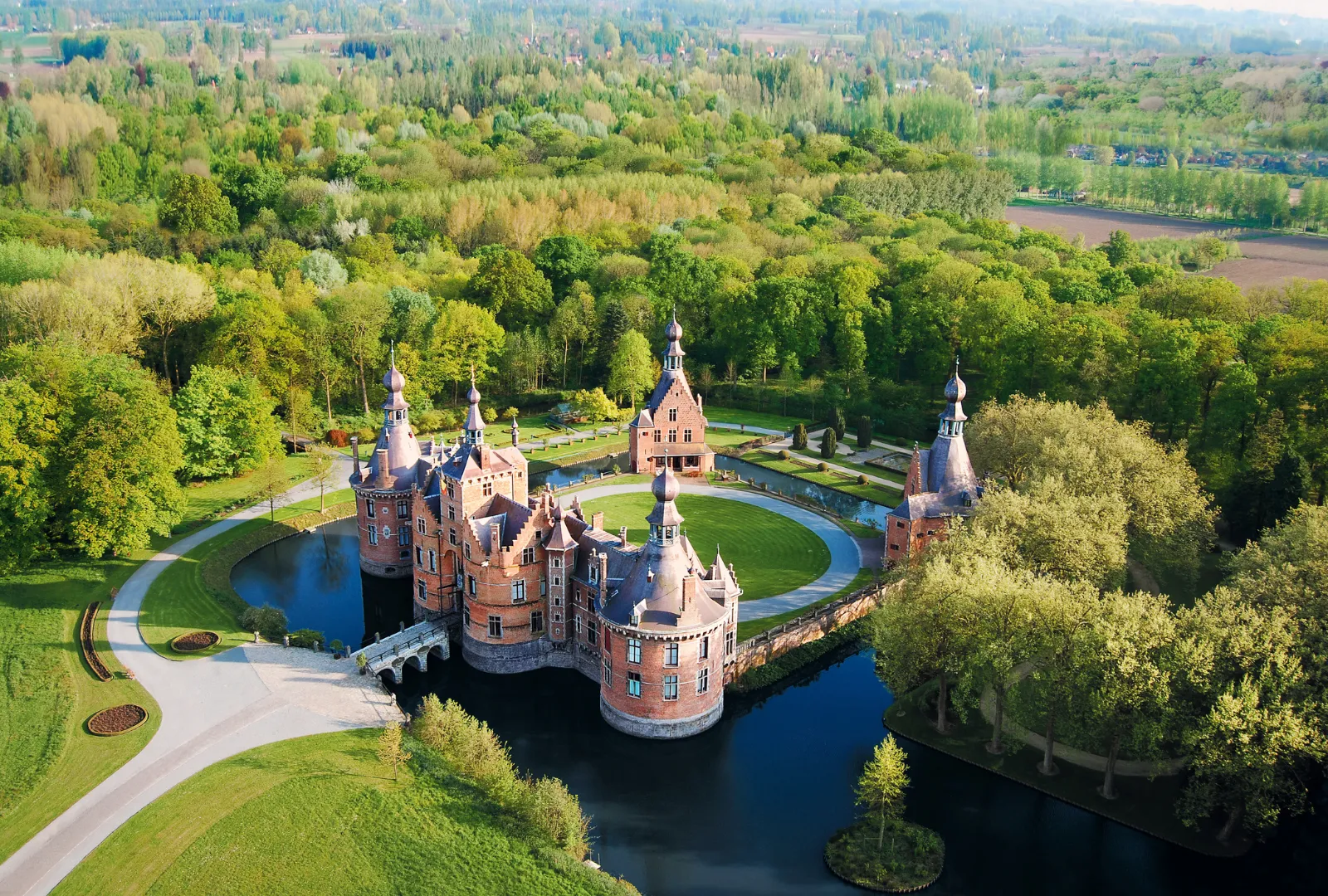
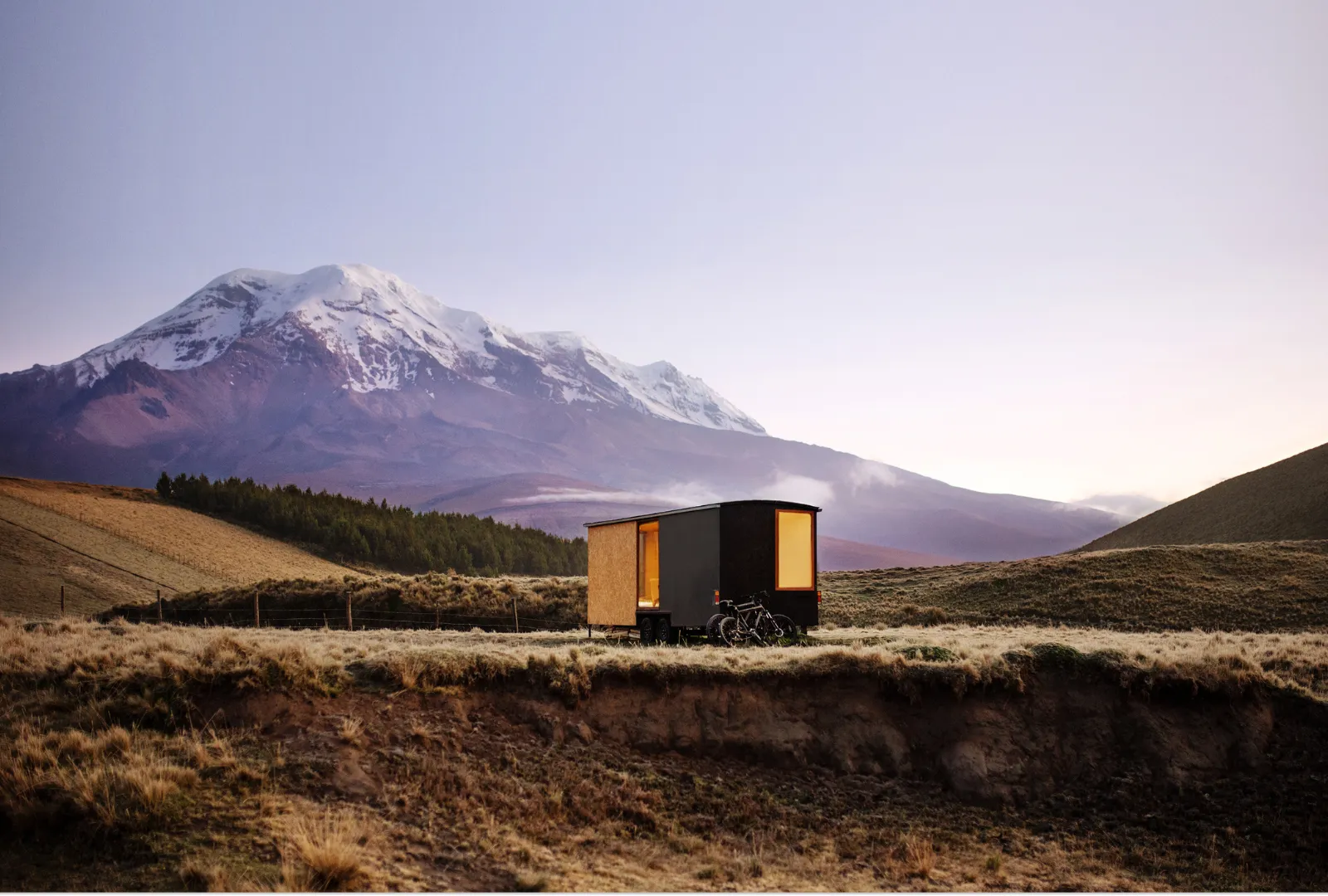
Nearly two decades on, Airbnb hosts stays in everything from spare bedrooms and city apartments to actual castles. It’s also one of the most reputable and trusted names in online travel.
Learning that Trust is Everything
Pinpointing one feature that has led to the brand’s reputation and success might sound like a tall order. And yet, Blecharczyk doesn’t hesitate to answer, saying it’s “clear” in his mind.
“It’s the reviews. I mean, first of all, trust is everything. And if there’s one thing we’ve innovated on, it’s how do you create trust? Because when we started this company, everyone would say, ‘How can you trust a stranger?’ And we overcame that barrier. We built the trust necessary to overcome that,” he said.
“The single most powerful thing is the review system. It’s the fact that after every stay, the guest reviews the host, and also the host reviews the guest. It’s bidirectional, and both parties accumulate reputation over time. But more so, even before you leave the review, because everyone understands that this relationship is going to culminate in a review, it puts everyone on their best behavior going into this. So it incentivizes good behavior. That’s the most important thing, right? The review system incentivizes good behavior by guests, also by hosts, and therefore the right things happened.”
The Picture-Perfect Platform
Today, most of us have a high-spec camera on us at all times. But, back when Airbnb launched, camera phones weren’t as prevalent and those that did exist were more likely to take grainy snaps than anything halfway decent. The team knew that a picture was worth a thousand words, and many were telling the wrong kind of story.
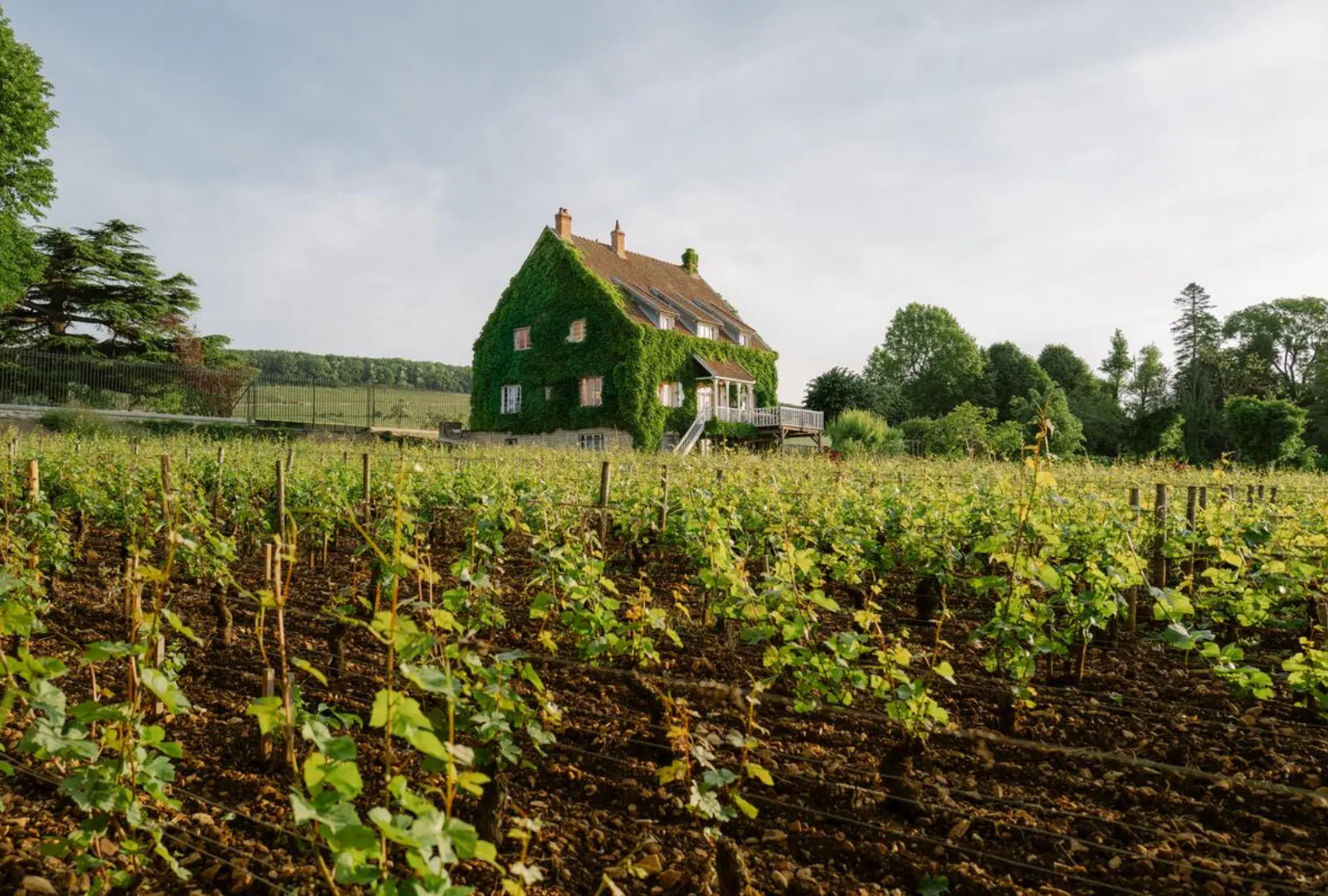
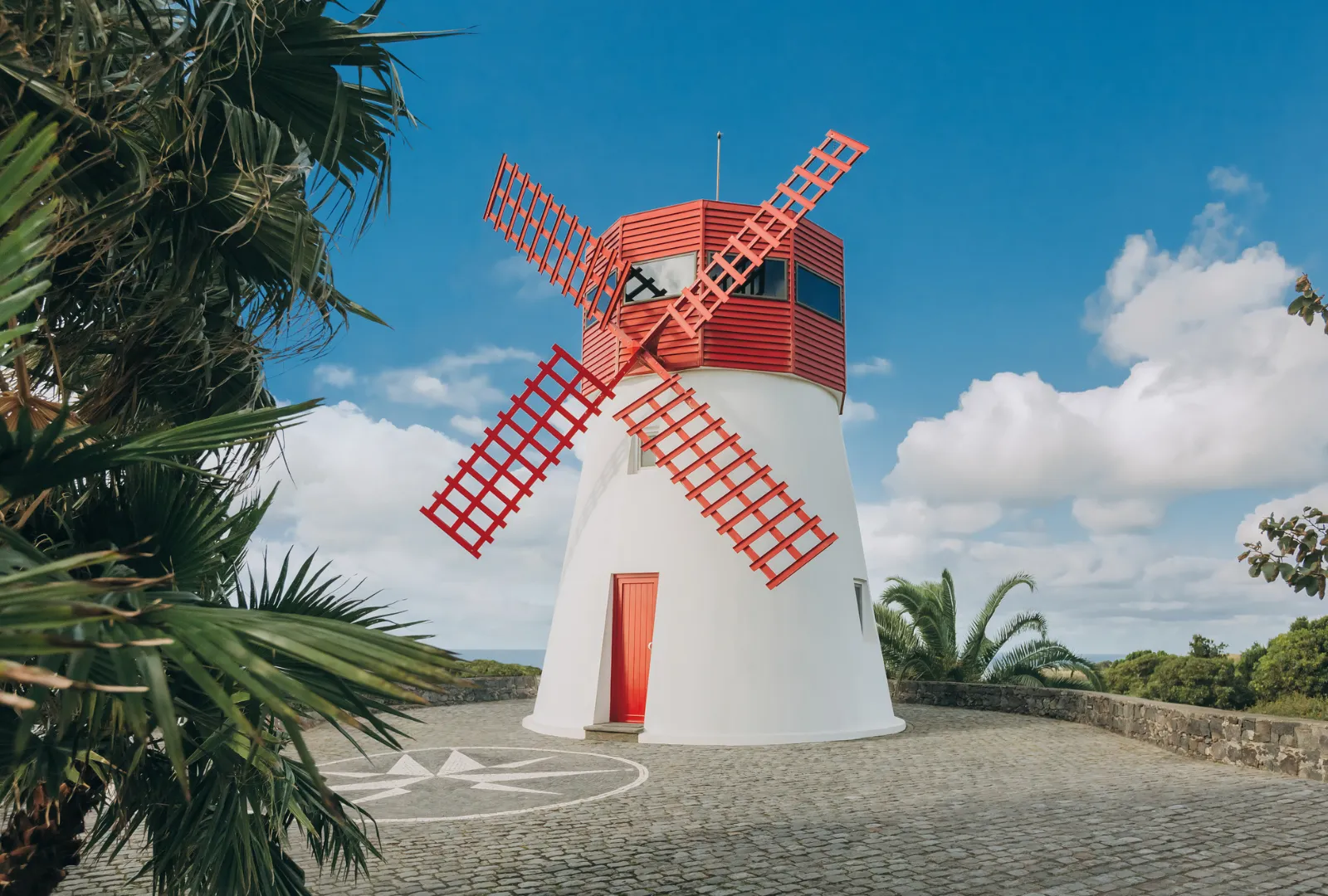
“We immediately noticed that there were properties that didn’t have pictures or where the pictures were not well lit… we mobilized thousands of photographers and took hundreds of thousands of photos… we saw that when a listing had really good photos, it converted much better than a listing that had average photos,” Blecharczyk said.
Beautiful interior shots are one thing, but ensuring listings live up to customer expectations is quite another. That is where the review system comes in. Those that stop earning good reviews don’t stay on the platform for long.
“Over the years, there’ve been years where we’ve removed hundreds of thousands of listings in a single year,” Blecharczyk said.
That same trust now extends beyond bookings. Airbnb.org, the company’s nonprofit arm founded in 2020, has provided 1.6 million nights of free emergency housing across nearly 140 countries, including for people displaced by the 2025 Los Angeles wildfires and recent flooding and earthquakes abroad.
In France, Airbnb has invested 7 million euros to date restoring rural heritage homes through a partnership with the country’s national heritage foundation. In Japan, where more than 9 million homes sit vacant nationwide, a partnership with the Japanese Kominka Association is turning traditional houses into stays that draw tourists beyond major cities. And in Spain, a three-year, 50 million euro initiative is working to boost tourism and housing in underdeveloped rural villages.
“I use that as an example because it stretches the imagination of what Airbnb is. It’s not just an opportunity to rent out your apartment. It’s also an opportunity to mobilize the community in times of need,” Blecharczyk said.
More Than a Tech Company
On the surface, it would be easy to look at Airbnb as a tech company, an app that connects hosts and guests. As Blecharczyk describes it, the offering is something far more human by design.
“We don’t think of ourselves as a technology company necessarily. What people are getting is not technology. What they’re getting are experiences. We are helping people to experience different places, connect with people. Technology is a means for doing that,” Blecharczyk said.
Airbnb has earned the distinction of placing highly in multiple Newsweek rankings in 2026, including America’s Greatest Companies, America’s Greatest Workplaces, Most Trusted Brands in the U.S., America’s Greatest Workplaces for Entry Level.