Autonomous Vehicles Boom: Why AV Founders Are Pitching Again
Imagine you are a founder with a clever idea for driverless delivery on one stretch of road, and you assume the field belongs to giants. According to a TechCrunch Mobility newsletter published November 1, early-stage investors are seeing the opposite trend.
Trucks VC reports that 81 new companies pitched it on autonomous vehicles this year. For anyone building a small team in a big industry, that shift raises fresh questions about Series A funding and where the next opening might be.
A Bigger Wave Than the Last One
Kirsten Korosec writes that she once compared today’s mood to 2016. After speaking with Trucks VC partner Puneeth Meruva, she changed her mind. By one measure, the firm’s pitch count, this year already exceeds the pitch volume of the frenzied period around 2016 and 2017.
| Measure | Reported detail |
|---|---|
| New AV startups pitching in 2026 | 81 |
| Change from last year | Up about two thirds |
| Typical capital raised before deployment | Under $1 million |
| Typical time to deploy | A few months |
Meruva expects the count to keep rising next year, so the firm does not see a plateau yet.
Why Foundation Models Changed the Math
Older AV efforts relied on many separate software modules stitched together. Meruva described a long-running goal of one end-to-end system, and he believes foundation models now make that design realistic. These models handle new places and situations better, which could make vehicles cheaper and faster to launch.
Open source has helped too. The newsletter names Nvidia’s Alpamayo and Qwen’s vision-language-action models as free starting points. As a result, a small crew can begin with strong tools instead of building every layer from scratch.
Where the Surprising Pitches Are Landing
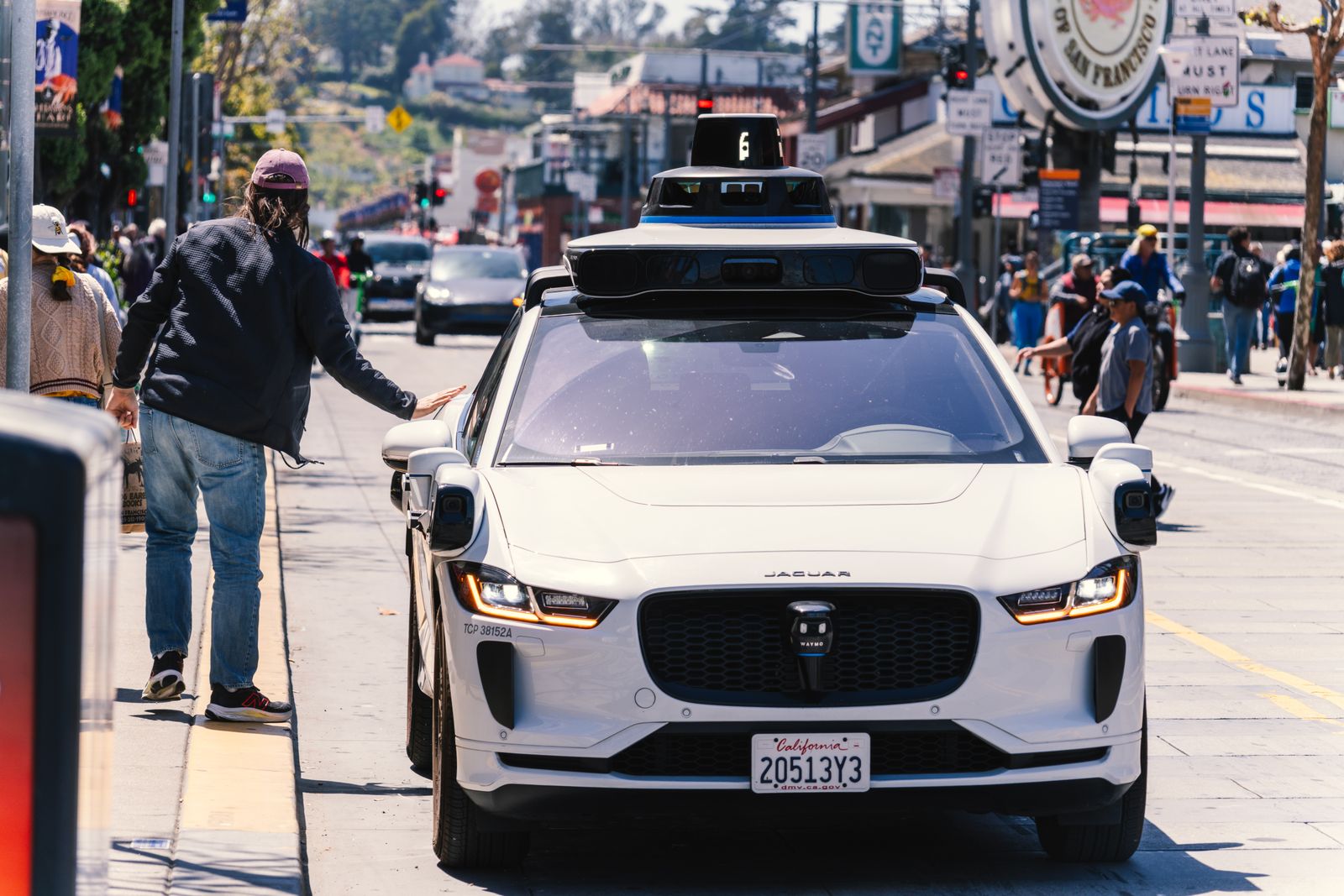
Korosec expected most newcomers to focus on construction, warehouses, farming and mining. Those sectors did appear. However, she was surprised by how many teams are pitching full robotaxi services and positioning themselves against Waymo.
Meruva argues there is still room for smaller players. In his view, a young company might not compete globally, but it could win in a specific region or on a certain type of route. That idea echoes advice you will find in our coverage of finding a niche as AI competition grows.
What This Means for Your Startup
Even if you never touch a vehicle, the pattern is useful. When a core technology gets cheaper, the barrier to entry falls, and a flood of competitors follows. Your advantage then comes from focus, speed and customer knowledge.
Consider these steps:
- Pick a narrow use case where you can reach real customers within months.
- Build on open tools first, and spend scarce cash only where you need something unique.
- Study safety rules early, since regulators shape what you can ship. The National Highway Traffic Safety Administration publishes guidance on automated vehicles.
Cash discipline matters most here. With under $1 million raised, the teams Trucks VC describes cannot afford long research detours. They test in the field early, learn from real routes and let those results guide each new hire. You can borrow the same habit by setting a ninety-day goal for your first paying pilot.
Beware of crowded-market risk, too. More pitches mean investors can be pickier, and only a handful of teams will stand out. A clear wedge, such as one city or one cargo type, gives you a story that is easy to repeat.
Money Is Moving at the Top as Well
The same newsletter notes big checks elsewhere in the sector. Bedrock Robotics raised $600 million at a $4.1 billion valuation in a Series C co-led by CapitalG and Emergence Capital. In a different corner, PreScalar raised $7 million in seed funding to build software and testing tools for factories.
Those two rounds show the range. Capital is available for both late-stage scale and early-stage tooling. That spread is also visible in the rise of autonomous aircraft startups, where a long runway of safety work came before a unicorn valuation.
Questions About the New AV Wave
Does a small raise really get an AV startup to launch?
According to Trucks VC, many deploy within months on less than $1 million. That statement reflects what the firm sees in its own pipeline, so treat it as a signal rather than a guarantee for every company.
Should I worry that the market is too crowded?
Crowds make differentiation harder. On the other hand, they also confirm demand, and a narrow focus can still win.
What to Watch Through 2027
Track how many of the 81 teams reach paying customers, and whether robotaxi newcomers find regional footholds. Also watch whether foundation-model approaches keep lowering costs, since that is the engine behind this whole wave.
For your own plan, the lesson is simple. When the tools get easier, the winners are the founders who pick a specific problem and ship early.