

Could China’s Changing Diet Help Save the Amazon Rainforest?
Rising incomes over the past two decades helped make China the world’s largest consumer of pork, driving massive demand for soybeans used in livestock feed. Much of that soy has come from Brazil, linking Chinese consumption patterns to agricultural expansion in the Amazon rainforest and the neighboring Cerrado savanna.
Environmental researchers have long warned that global demand for soy and beef has contributed to land clearing across Brazil. While cattle ranching remains the single biggest driver of Amazon deforestation, soybean expansion has also increased pressure on natural ecosystems, particularly in the Cerrado, according to environmental groups and Brazilian research agencies.
Now, some analysts believe evolving consumer habits in China, alongside growing pressure for sustainable sourcing, could help slow that trend.
“The beef supply chain is ripe for concrete action because it is not as essential to the Chinese diet as other commodities, such as soy,” said Andre Vasconcelos, head of global engagement at Trase, a supply-chain transparency platform that tracks the environmental impact of commodity trade, according to Reuters.
“At the same time, there is awareness, supported by available information, that beef, especially Brazilian beef, is the commodity most associated with deforestation among all agricultural commodities imported by China,” he added.
Less Pork, More Diverse Diets
Chinese policymakers and public health officials have increasingly encouraged healthier diets with lower consumption of red meat and greater intake of vegetables, grains and legumes. National dietary guidelines have warned that excessive red meat consumption is linked to higher risks of obesity and cardiovascular disease.
While pork remains China’s most consumed meat, demand growth has slowed significantly compared with the rapid expansion seen during the early 2000s. Analysts say younger urban consumers in cities such as Shanghai, Beijing and Shenzhen are also showing greater interest in sustainability, food quality and plant-based alternatives.
That shift is important because China’s livestock sector depends heavily on imported soybeans. Brazil remained China’s largest soybean supplier in 2025, exporting more than 100 million metric tons, according to trade data cited by Reuters.
Freepix
Why Soybean Demand Matters
Soybeans are processed into high-protein meal used primarily in pig and poultry feed. Researchers say that if China’s long-term pork demand stabilizes or declines, pressure to rapidly expand soybean acreage in environmentally sensitive regions of Brazil could also ease over time.
Studies by the Stockholm Environment Institute have found that reducing demand for feed crops can lower pressure on forests and other ecosystems linked to global agricultural supply chains.
Brazil’s Deforestation Challenge
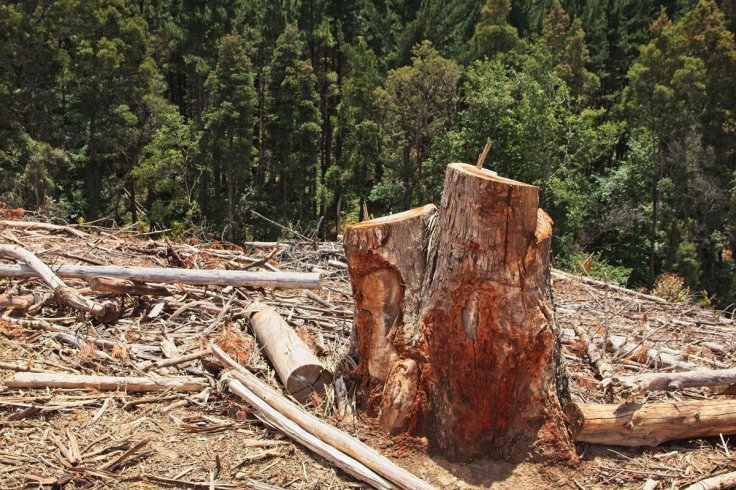
The Amazon rainforest plays a critical role in regulating global climate patterns and storing billions of tons of carbon. Brazil has reduced deforestation rates during certain periods through stricter environmental enforcement and satellite monitoring systems operated by the National Institute for Space Research.
However, agricultural expansion continues to place pressure on forests and grasslands. Environmental experts note that deforestation is driven by a combination of cattle ranching, soybean farming, road construction and land speculation.
At the same time, major Chinese meat importers have recently pledged to purchase deforestation-free Brazilian beef, part of a broader push toward supply-chain traceability and sustainability standards ahead of international climate negotiations.
“The industry is still trying to understand how this certification can recognize and value Brazilian products, in a scenario of geopolitical tension,” said Marina Guyot, an Imaflora policy manager, according to Reuters.
Freepix
A Global Supply Chain with Environmental Stakes
The relationship between Chinese food and Amazon forests is an example of how patterns of consumption can have consequences around the globe.
Experts caution that changing diets alone will not save the Amazon. However, slower growth in pork demand, combined with stronger sustainability commitments from importers and producers, could reduce some of the economic incentives driving agricultural expansion into ecologically sensitive regions.
Read More:
