

Did You Eat Recalled Mango? Salmonella Symptoms To Watch for and When To Seek Medical Help
Panorama Produce recalled 302 boxes of Martina-branded mangoes on August 28, 2026, after the U.S. Food and Drug Administration (FDA) found Salmonella in mangoes from the same farm, even though the tested fruit had not entered U.S. commerce.
The FDA published the recall on August 29, covering mangoes distributed from August 10 through August 21 to Connecticut, New York, New Jersey, and Pennsylvania and sold at select Walmart stores. No illnesses had been reported in connection with the recalled mangoes as of the recall notice.
The bigger concern for anyone who already ate one is what happens next. Salmonella symptoms can take hours or several days to appear, so feeling well immediately after eating a recalled mango does not necessarily mean there is nothing to watch for. Knowing the warning signs-and when medical attention is needed – can help people respond quickly if illness develops.
What to do if you already ate the mango
If you ate one of the recalled mangoes and currently feel fine, the first step is to note when you ate it and keep an eye out for symptoms over the following days.
Marler Clark, a law firm specializing in foodborne illness cases, advises people who discover they have eaten a recalled product: “Do not panic but do act.” Its guidance recommends seeking medical care if symptoms develop and telling the healthcare provider about the recalled food that was consumed.
When Salmonella symptoms need medical attention
Most healthy people recover from Salmonella without serious complications. But some symptoms should not be ignored.
The CDC advises contacting a doctor for bloody diarrhea or urine, a fever higher than 102°F, diarrhea or vomiting that lasts more than two days, or signs of dehydration.
Young children, older adults and people with weakened immune systems are more vulnerable to serious illness. The Food Safety News report also notes that pregnant women are among those who can face a greater risk from severe foodborne infections.
U.S. Food & Drug Administration
In rare cases, Salmonella can spread beyond the intestines and enter the bloodstream. The FDA says this can lead to serious conditions including arterial infections, endocarditis and arthritis.
Why the mango recall happened even though no one was sick
This recall did not begin with reports of people becoming ill.
Instead, FDA sampling detected Salmonella in mangoes grown on the same farm as the fruit covered by the recall. The tested mangoes were not distributed in U.S. commerce, but the recalled mangoes shared the same source.
That connection prompted Panorama Produce to voluntarily recall the affected fruit.
This means the recall is a preventive measure rather than a response to a confirmed outbreak linked to the mangoes. As of the FDA’s August 29 notice, no illnesses had been reported.
How to tell whether your mango is part of the recall
The FDA advises consumers to throw the mangoes away or return them to the place of purchase.
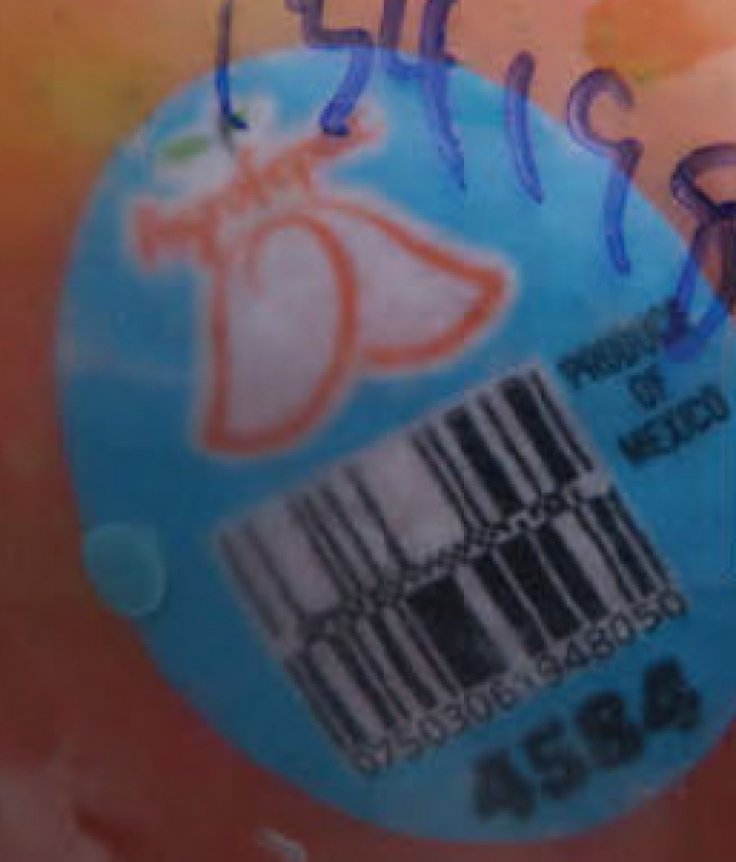
U.S. Food & Drug Administration
What if you already cut or handled the recalled mango?
There is another issue beyond eating the fruit itself: handling contaminated produce can potentially spread bacteria to hands, knives, cutting boards, and other surfaces.
Do not rely on appearance or smell to determine whether a mango is safe. Salmonella-contaminated food may look, smell, and taste normal.
If a recalled mango was cut, wash the knife, cutting board, and other food-contact surfaces thoroughly. Wash your hands with soap and water after handling the fruit or anything that touched it.
Don’t wait for symptoms if you are at higher risk
A person who ate a recalled mango does not automatically have a Salmonella infection, and the recall itself does not mean every mango covered by it was contaminated.
But if symptoms appear, the food exposure is important information for a doctor. The Food Safety News report notes that people who become sick after eating the recalled mangoes should tell their healthcare provider about the possible Salmonella exposure because specific tests are needed to diagnose salmonellosis.
The most important warning signs are therefore straightforward: bloody diarrhea, high fever, prolonged diarrhea or vomiting, or dehydration. Those symptoms warrant medical attention rather than waiting for the illness to pass.
