

Fed Hikes Interest Rates for the First Time Since 2023 in Its Bid To Tame Surging Inflation Amid Concerns Over Economy’s Health
The Federal Reserve finally raised interest rates on Wednesday for the first time in over three years, taking action to curb inflation. The move is expected to increase borrowing costs for Americans just weeks before the midterm elections. In a unanimous decision, the central bank lifted its benchmark rate by a quarter percentage point to a range of 3.75% to 4%.
It marked the rate hike under Fed Chair Kevin Warsh, whom President Trump selected after repeatedly criticizing former Chair Jerome Powell for keeping rates higher than he wanted. Economists have vehemently warned the Fed that the higher rates could make mortgages, auto financing and credit card debt more expensive.
Facing the Challenge
federalreserve.gov
The interest rate hike comes as consumers already face challenges from a tight housing market and elevated gasoline prices. Disagreements within the Federal Reserve had grown more pronounced since Warsh became chair earlier this year and encouraged what he called a healthy “family fight” over monetary policy.
Officials were split over the timing of interest-rate moves, with some concerned that acting too quickly could weaken economic growth, while others feared that delaying action could allow inflation to become more entrenched.
Warsh has strongly opposed the Fed using forward guidance, arguing that financial markets should respond on their own as economic conditions change.
His approach has prompted investors and economists to scrutinize his public remarks for clues about the central bank’s next moves.
Markets had largely anticipated a quarter-point increase, with traders putting the odds at 93% shortly before the meeting, according to CME FedWatch. Expectations rose after a key measure of inflation for August came in above forecasts, while energy prices also climbed.
The Fed rarely makes interest-rate changes in isolation. Investors are likely to focus heavily on what Warsh says during his afternoon press conference, particularly for indications about the possible pace and timing of future rate increases.
Fed’s Plans Unclear
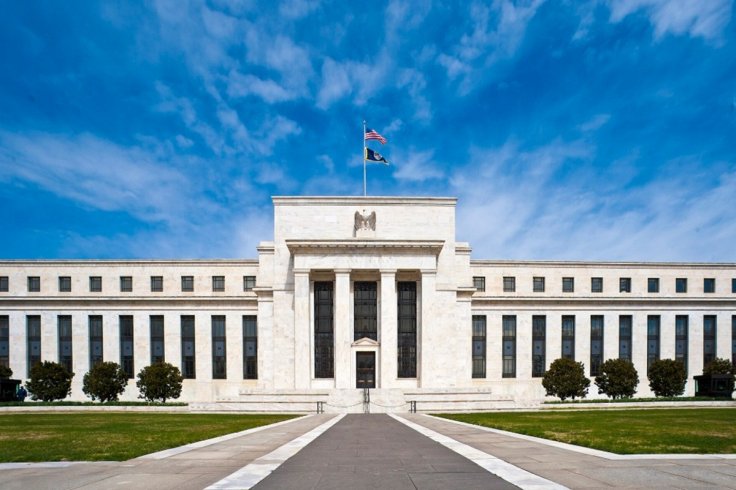
Wikimedia commons
Most economists had expected two rate hikes this year, with one in September and another in December. The Fed’s next policy meeting is scheduled for Oct. 28. Another increase shortly before the November midterm elections could potentially draw criticism from President Trump.
The president, who has called for the US to maintain the world’s lowest interest rates, has so far expressed support for Warsh. That is despite the new Fed chair keeping rates unchanged since taking over the position in May.
During Powell’s tenure, Trump repeatedly criticized him, at one point calling him “stupid” and a “numbskull.”
The Justice Department also opened a criminal investigation into the Fed chair over the renovation of the central bank’s headquarters, which had exceeded its budget. The investigation was later dropped.
