Flexible Warehouse Space: 5 Moves for Product Founders
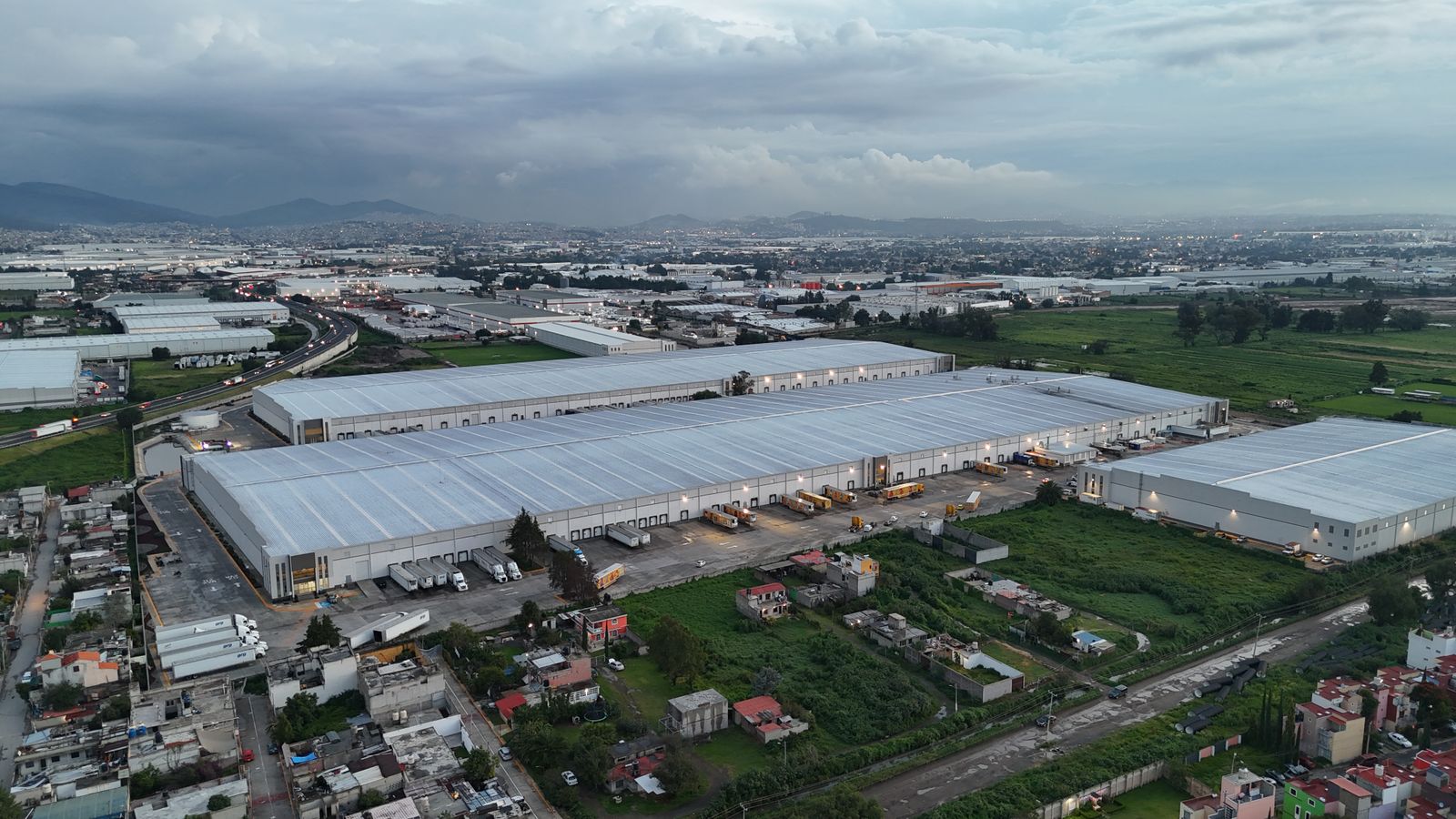
WareSpace announced Thursday that it spent $36.5 million on two industrial buildings, one in Miami Gardens and one in South San Francisco, which it will chop into more than 210 small units for small businesses. Together the purchases bring about 164,000 square feet into a portfolio that now spans 34 facilities and upwards of 3.2 million square feet.
I have watched founders stay in a garage six months too long because the only alternative looked like a five-year lease on 40,000 square feet. That gap is the whole story here, and flexible warehouse space is the category filling it. Here are five moves to make before you sign anything.
1. Price the Space You Need, Not the Space Available
WareSpace carves its buildings into units that top out near 2,000 square feet and start around 200. That range exists because nobody built for it, they simply left it over.
Start from your actual pallet count and your peak season, then add a buffer you can justify on paper. Founders routinely lease for the revenue they hope to have in year three and pay for empty air in year one.
The all-inclusive pricing model matters here too. When utilities, common areas and on-site services sit inside one number, your cost per order becomes something you can actually forecast.
Measure height as carefully as floor area. Racking changes your usable volume, so a unit with real clearance holds far more than its square footage suggests on the listing.
2. Treat Lease Length as Runway, Not Real Estate
A shorter lease is not a worse deal. It is optionality, and optionality is worth real money when you are still learning your demand curve.
Traditional industrial leases ask for multi-year commitments plus a build-out you fund yourself. Move-in-ready units trade a higher rate per square foot for the ability to leave, and that trade usually favors an early-stage company.
Run the math against your cash position rather than against a per-square-foot benchmark. The same discipline that shapes good early money habits applies to square footage: commit late, commit small, keep the exit cheap.
3. Check Small-Bay Supply Before You Sign Anywhere
Scarcity is the reason this category is growing. Around South San Francisco, inventory in this size class has contracted roughly 5% across five years, and by the company’s account nothing comparable is being built there right now.
| Location | Price | Size | Planned units |
|---|---|---|---|
| Miami Gardens, FL | $20.42 million | 100,000 sq ft | 125+ businesses |
| South San Francisco, CA | $16.05 million | 64,103 sq ft | 85+ units |
Do this check for your own metro before you negotiate. If nothing comparable is being built nearby, your renewal leverage in two years is weaker than your leverage today, and you should lock terms accordingly.
So ask what happens at renewal before you celebrate the move-in rate. Operators in tight markets have every reason to raise prices, and a tenant with nowhere else to go has almost no room to argue.
4. Put Drive Time to Customers in the Model
The Miami Gardens building fronts a busy commercial corridor, with I-95 and the Palmetto Expressway both reachable without a detour. That detail is not a real estate flourish, it is a delivery cost.
Cheap space far from your customers quietly transfers the savings into freight and labor. Calculate the total of rent plus outbound shipping plus staff commute, because the cheapest rent almost never wins that sum.
Heavy or bulky products change the math further. Founders shipping freight should model the difference before committing, and the levers behind LTL freight costs often move more dollars than the lease rate does. The Small Business Administration’s guide to picking a business location walks through the zoning and tax questions that go with it.
5. Know When the Garage Actually Stops Working
There are three honest signals. You are turning down orders because you cannot store inventory, you are paying for storage units in more than one place, or you cannot hire because nobody wants to work in your basement.
Any one of those means the space is now costing you revenue rather than saving you rent. Until then, stay small and put the money into inventory or acquisition instead.
Insurance is the signal nobody mentions. Homeowner policies rarely cover commercial inventory, so one fire or break-in can wipe out stock customers have already paid for.
Money is clearly betting on this category. Jadian Capital recently committed $300 million to the operator, which then picked up five buildings in four markets it had not entered before, so institutional investors plainly expect demand from businesses exactly your size. Cutting other logistics costs, including the tactics behind ways to save money on shipping, buys you the room to make this move on your own schedule.
Dream big, but sign small. The founders who win this decision are the ones who take just enough space to stop losing orders, keep the exit cheap, and put every remaining dollar into the thing that actually compounds.