I was an oncologist. When I got sick, I did what doctors warn patients never to do
For years, I stood on the other side of the exam table as an oncologist, trained to recognize patterns and convince frightened patients that medicine still had answers. I believed a good doctor could overcome the failures of modern healthcare.
Then I became the patient no one quite knew what to do with.
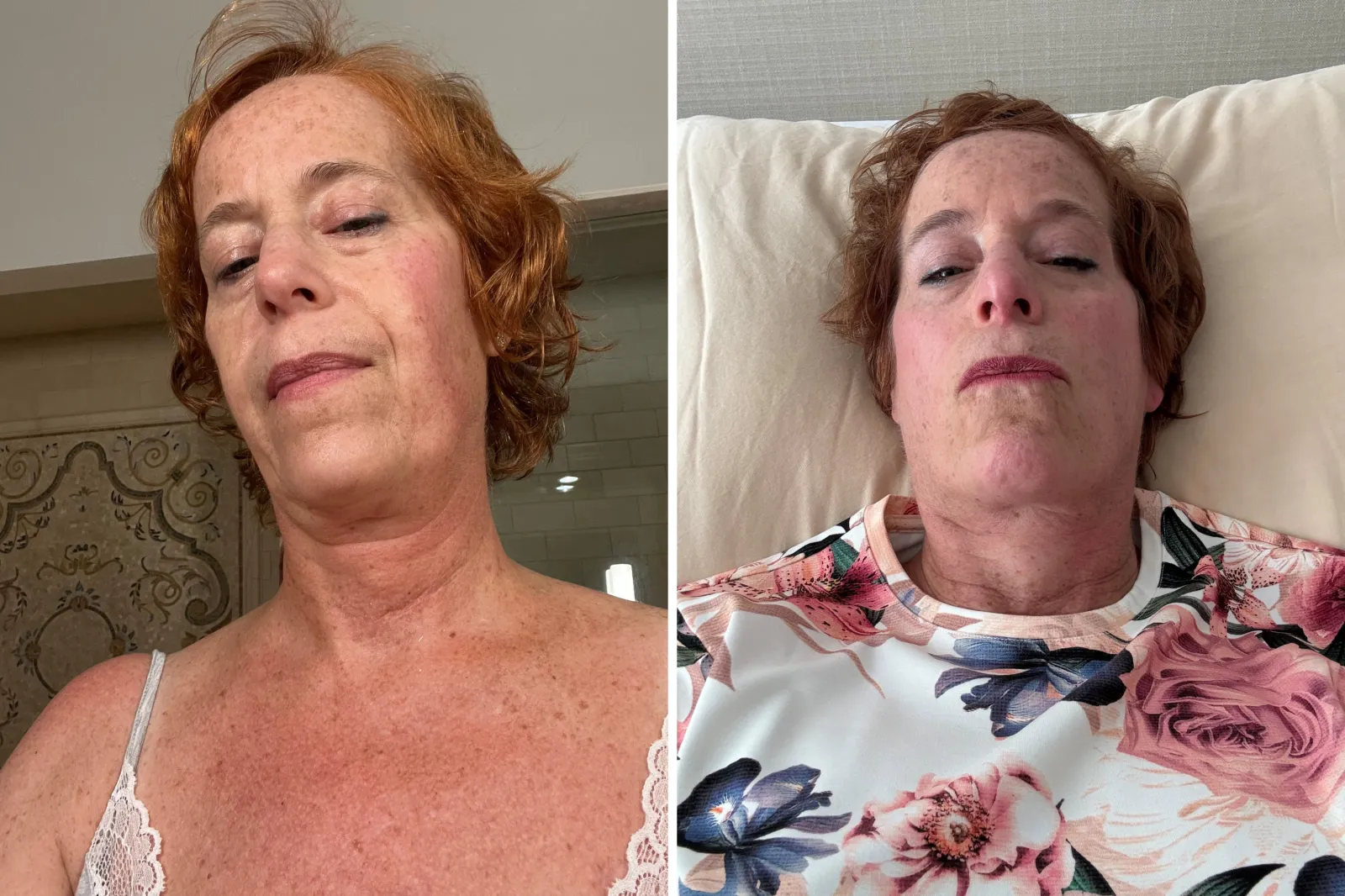
I have hypermobile Ehlers-Danlos syndrome, a connective tissue disorder that affects nearly every part of my body. My joints dislocate with alarming ease. My gastrointestinal tract operates by its own rules. My autonomic nervous system misfires constantly. I have chronic pain, episodes of exhaustion, medication sensitivities and symptoms that refuse to stay inside one specialty. Managing a disease like mine requires a cardiologist, gastroenterologist, neurologist, rheumatologist, pain specialist, rehabilitation physician and a primary doctor all communicating with one another in ways modern medicine rarely allows.
Instead, each physician focuses on one isolated piece of the puzzle. I spend roughly $70,000 out of pocket each year trying to stitch together my own care, moving from specialist to specialist in search of answers and pursuing therapies insurance does not cover. Still, no one seems to understand how to manage it as a whole.
A gastroenterologist focuses on my abdominal distention and pain, never investigating further than a referral to a breathing specialist. My 17-year-old daughter, who also has Ehlers-Danlos syndrome, saw the same physician and walked away with the same recommendation. A neurologist considers autonomic dysfunction only when a tilt table test is abnormal. A rheumatologist evaluates joint instability and pain. Most rheumatologists are trained to manage autoimmune disease, not Ehlers-Danlos syndrome. One told me nothing could be done.
Fifteen-minute appointments are expected to untangle problems involving multiple organ systems. By the time I finish explaining one symptom, the visit is over.
Specialists are booked months in advance. During flares or emergencies, reaching an actual physician is almost impossible. Increasingly, care occurs through portal messages, brief exchanges with a nurse I have never met, or messages sent late at night by an exhausted physician.
There were nights I sat awake debating whether a new symptom justified an emergency room visit, knowing I would spend hours trying to explain a rare disease to a physician unfamiliar with it. More often than not, I chose uncertainty.
Eventually, I did what patients are warned not to do. But I was also a physician, trained to stay with difficult medical problems until they made sense. I immersed myself in everything I could learn about each condition and how it affected every part of my body.
Then I wanted another mind on the case, the way physicians bring cases to a tumor board.
I turned to artificial intelligence.
Even now, writing that feels like a professional betrayal. As a physician, I understand exactly how dangerous AI can be in medicine. It can hallucinate, provide dangerously incorrect information and miss diagnoses. It lacks the accountability clinical care demands. AI should never replace physicians.
Still, I was startled by what it could do. Unlike my specialists, AI was capable of looking at my body as a whole every time.
As my condition evolved, I used ChatGPT the way physicians use colleagues, as a partner to think through possibilities and generate differential diagnoses. When I entered my medical history, symptoms, underlying diagnoses, medication reactions and laboratory tests into ChatGPT, it offered disarmingly thorough differential diagnoses and connected symptoms my physicians treated separately.
In my own case, those conversations helped me consider that small intestinal bacterial overgrowth might be secondary to slowed gastrointestinal motility rather than simply a one-time diagnosis requiring antibiotics alone. Addressing the underlying motility issue afterward, including promotility strategies such as ginger, changed how I thought about managing the problem. A gastroenterologist had not framed it that way. When I tried to see the only EDS gastrointestinal specialist, the wait was nine months.
That was not AI treating me. It was a way to pressure-test my thinking and ask better questions.
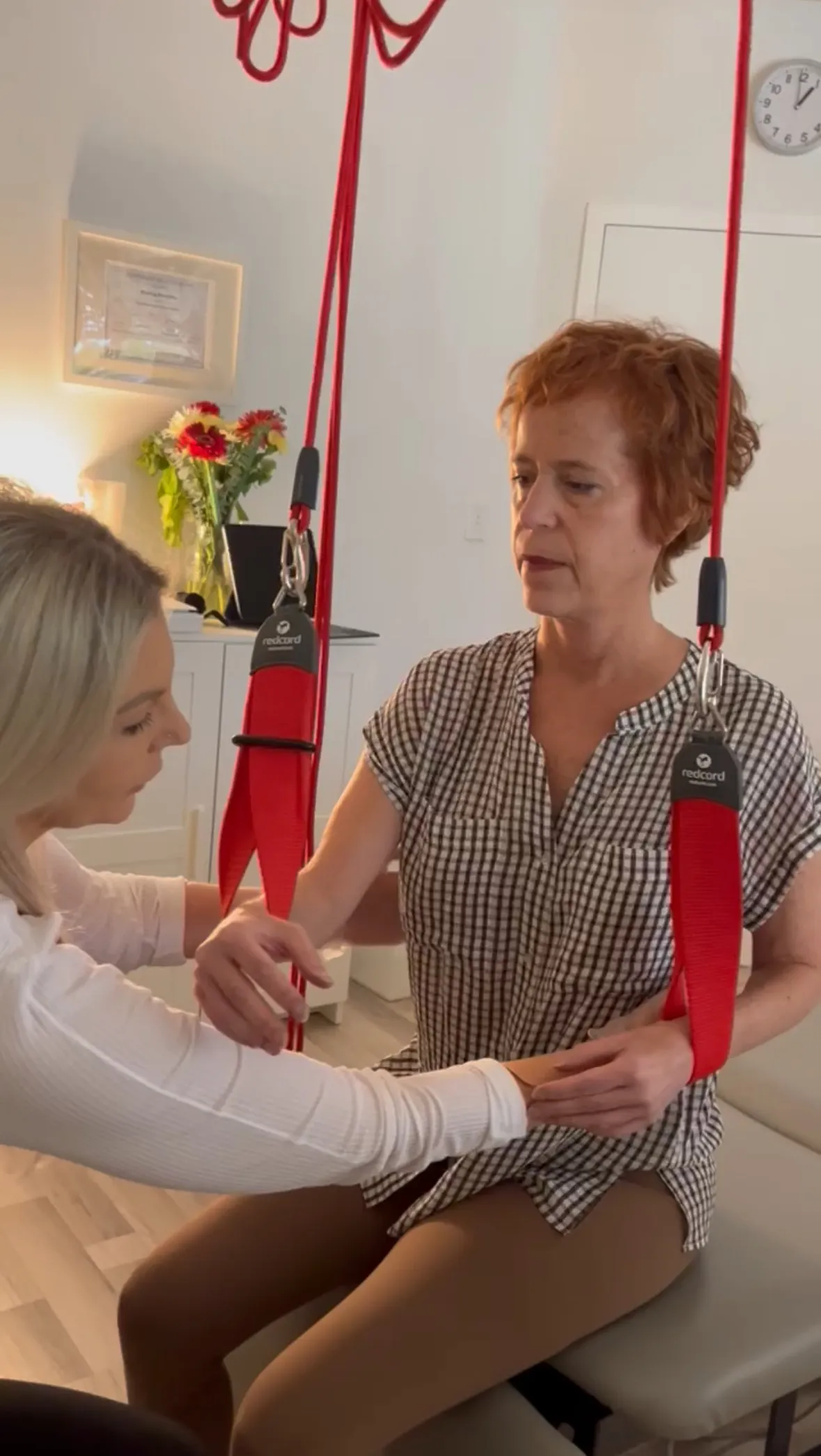
For patients with rare diseases, that kind of integration is extraordinarily difficult to find. Patients with disorders like Ehlers-Danlos syndrome often spend years moving between specialists, repeating their histories while coordinating their own care.
I began hearing similar stories from physicians treating other poorly understood chronic illnesses. A leading mast cell activation syndrome expert told me about a woman whose neuropsychiatric symptoms went undiagnosed for six years. Out of curiosity, he uploaded years of hospital and clinical records into ChatGPT. ChatGPT identified MCAS almost immediately and laid out a rationale that aligned with the diagnosis the specialist later reached after three weeks of evaluation.
There is something else AI offers that medicine often does not.
It believes you.
Patients with EDS, long COVID, and chronic fatigue syndrome often carry years of medical trauma from not being believed. For five years, I told every physician I saw that I could not hold my head up. I asked for upright imaging. Every MRI done lying down was normal; nothing was pursued. Five years of experts who thought I was exaggerating. Finally, upright imaging revealed upper cervical instability. It had been there all along.
That kind of dismissal leaves a mark.
AI does not look at you with skepticism or glance at the clock. It does not try to admit you to a psychiatric hospital for what is a genetic connective tissue disease. For patients who have learned to dread the doctor’s office, that relief is real. And for many patients, it is profound.
That does not mean AI is superior to physicians. It means something far more unsettling.
Our healthcare system has become so fragmented, rushed and inaccessible that patients are beginning to use AI as a substitute for the coordinated medical care they can no longer find.
And for millions of Americans, those gaps are about to widen. When enhanced ACA subsidies expired at the end of 2025, premiums suddenly became unaffordable for many Americans. Some watched monthly costs double almost overnight. Millions are now projected to lose coverage altogether. Faced with unaffordable premiums and deductibles, many Americans have simply chosen not to have coverage.
Even insured patients increasingly struggle to access care. In some parts of the country, new patient appointments with specialists take months. Primary care physicians are overwhelmed; many practices are closed to new patients. For many patients, continuity of care disappeared long before insurance coverage itself was lost. In this environment, it is not difficult to imagine more patients leaning on AI as their first line of medical guidance.
People do not turn to AI because they believe it is better than physicians. They turn to it because it is available at 2 a.m., free, and capable of answering questions when the healthcare system no longer does.
Consumer-facing AI medicine is already rapidly expanding. Amazon’s Health AI, now expanding beyond its One Medical members to the broader Amazon platform, draws on users’ medical records, lab results and prescriptions to offer personalized health guidance around the clock. Amazon says its Health AI can help users manage symptoms, conduct virtual assessments and offer treatments for more than 30 common non-emergent conditions. Medical chatbots are becoming easier to access and in many situations easier to reach than an actual physician.
For years, patients were told to stop Googling their symptoms. Now they are discovering that AI can sometimes understand their illnesses more fully than the disconnected care available to them.
What unsettles me most is not that I turned to AI. It is that I no longer fully trust the profession to which I devoted my life.
Now I teach my own children something very different: question physicians, keep records, seek second opinions and never fully count on the profession to protect you. I lost my career as a practicing oncologist because too many physicians saw my symptoms in isolation and no one connected them into a diagnosis of Ehlers-Danlos syndrome until years had already been lost. My deepest grief has not only been physical. It has been the loss of certainty, the loss of faith in a profession I once trusted instinctively, and, in some ways, the loss of the physician I thought I was.
I am a physician still, in the ways that cannot be taken away—the training, the reasoning, the ability to know when something is wrong. That is the only reason I can navigate what millions of patients face without any of those tools. Four years of medical school, three years of residency, three years of fellowship, fifteen years treating some of the sickest oncology patients. I know what diagnostic reasoning looks like. I can recognize when AI is wrong.
Many patients cannot. They have a browser, a chatbot and a medical system that no longer has room for them.
Where exactly are they supposed to go?
Jennifer Obel is a retired oncologist who writes about medicine, public policy, ethics and the people left behind by American institutions.
All views expressed in this article are the author’s own.
Do you have a personal essay you want to share with Newsweek? Send your story to MyTurn@newsweek.com.