Iran vows revenge against US for Khamenei’s killing: ‘Must be done’
Iran’s new Supreme Leader Mojtaba Khamenei has vowed revenge for the killing of his father in U.S.–Israeli airstrikes, escalating tensions at a moment when a fragile ceasefire is already faltering and the threat of renewed war looms.
Key Points
- Khamenei says revenge for his father’s killing “must certainly” happen
- Ayatollah Ali Khamenei was killed in U.S.–Israeli strikes on February 28
- The pledge comes amid renewed fighting and strained diplomacy
- President Donald Trump has threatened massive retaliation if Iran targets him
- Tensions around the Strait of Hormuz continue to threaten global oil supplies
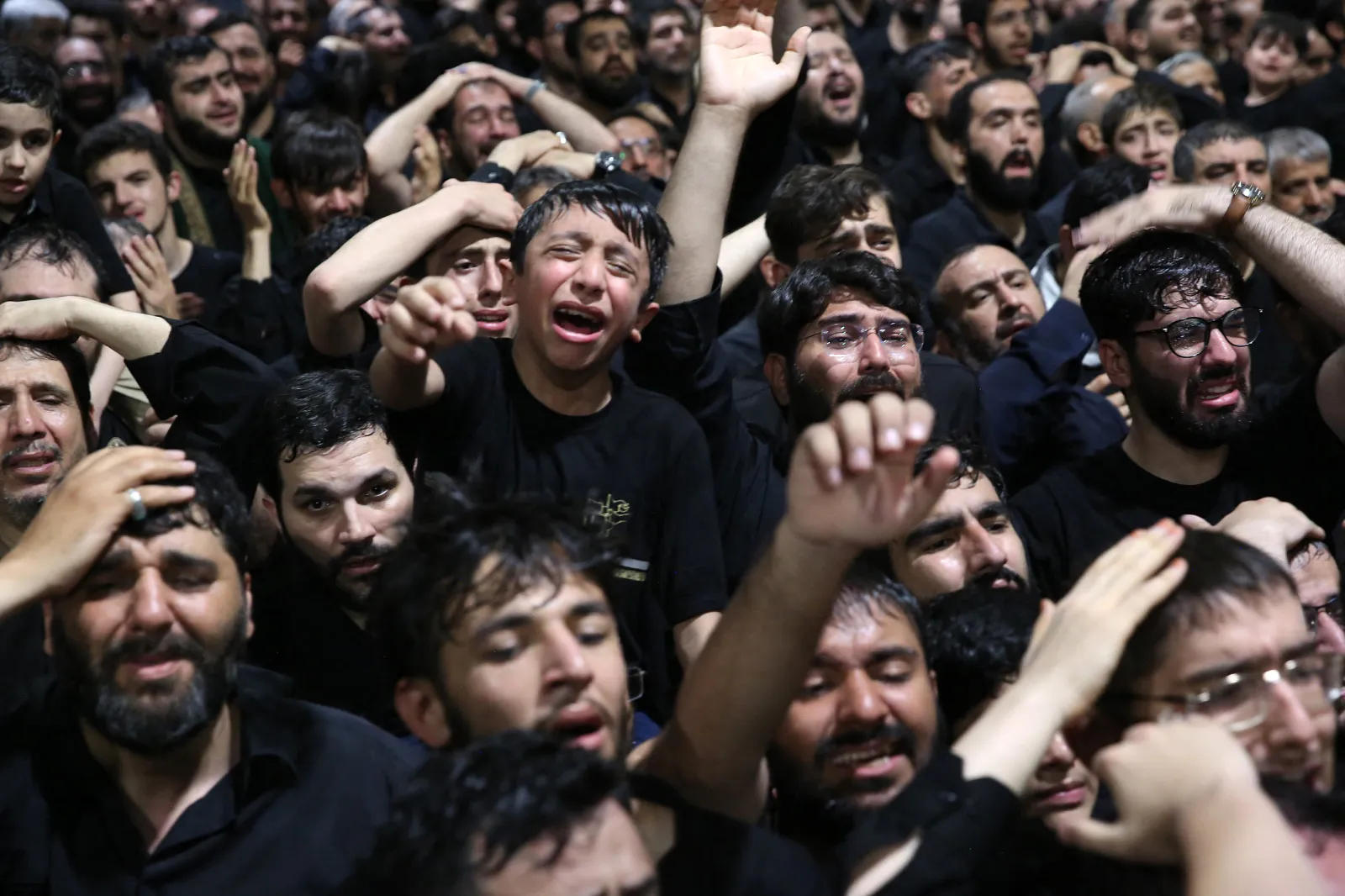
Iran’s Supreme Leader Mojtaba Khamenei vowed revenge during funeral ceremonies months after his father was killed in U.S.–Israeli airstrikes, calling retaliation inevitable.
The statement lands as ceasefire talks unravel and both sides exchange threats and strikes, raising fears of a wider regional conflict.
It risks further instability across the Middle East and could disrupt global energy markets and international shipping routes.
Why It Matters
The February killing of Iran’s supreme leader triggered a broader war and reshaped power dynamics across the region, setting the stage for ongoing confrontation.
It has also had immediate global economic consequences, disrupting the Strait of Hormuz—through which roughly one-fifth of the world’s oil supply passes—and driving sharp swings in energy prices.
For U.S. consumers, that means higher costs at the pump and rising inflation, with global oil markets ensuring supply shocks in the Persian Gulf are quickly felt in household budgets.
Where Things Stand Now
Several pressures are converging at once. Iran’s leadership transition remains central.
Khamenei assumed power after his father’s death but has largely stayed out of public view, reportedly due to injuries from the same strike, making his vow both personal and political.
Diplomacy continues, but it is fragile. Talks aimed at salvaging the June memorandum of understanding—designed to halt fighting and reopen maritime routes—have been strained by recent clashes and accusations of violations on both sides.
At the same time, the regional impact is widening. The Strait of Hormuz remains a key flashpoint, and any renewed escalation there could quickly ripple through global oil and shipping markets.
Trump Draws Red Line On Assassination Threat
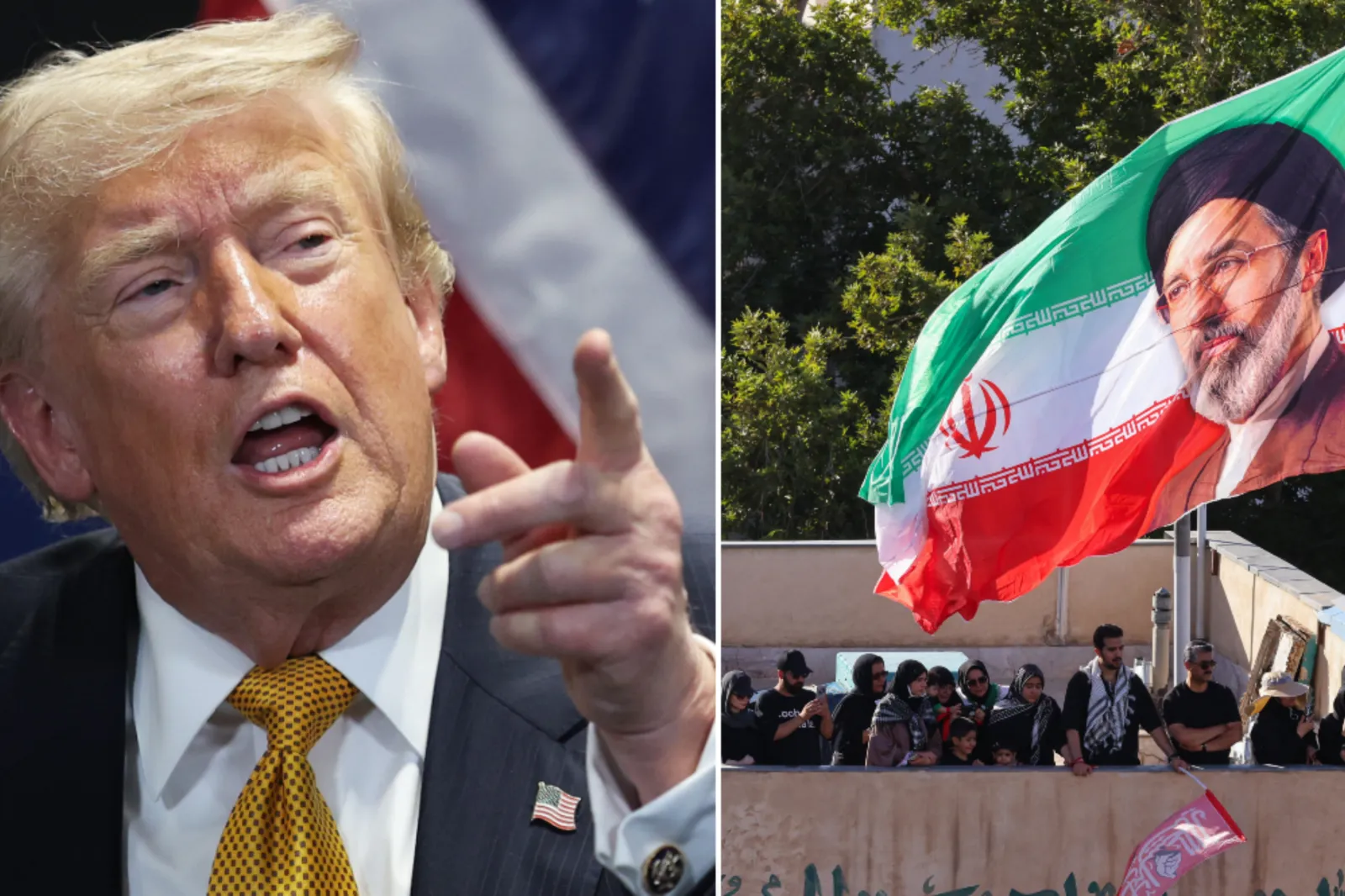
The escalating rhetoric has taken on a personal dimension, with Trump warning that any attempt on his life would trigger overwhelming U.S. retaliation.
In a public statement, Trump said “1,000 missiles” were “locked and loaded” and aimed at Iran, adding that orders had already been given for a response that could “decimate and destroy” the country.
He has also said he left standing instructions for a massive strike in the event of a successful assassination, raising the stakes of Iran’s revenge threats and narrowing the margin for miscalculation.
A Vow Of Revenge From Tehran
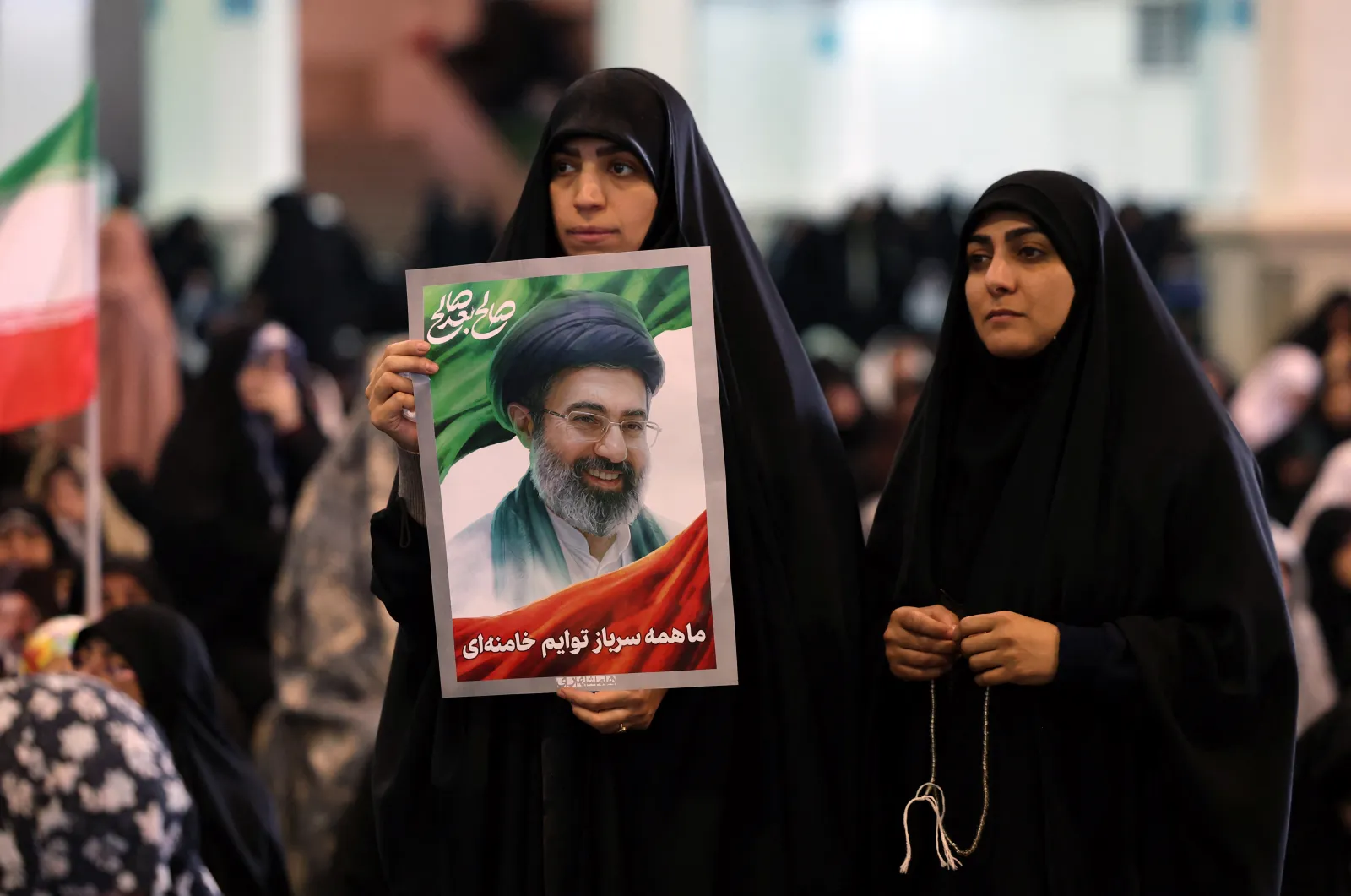
Khamenei’s message was blunt. In a written statement released during funeral ceremonies for his father, he said vengeance was “the demand of the nation” and “must certainly” take place.
“We pledge to avenge the blood of the martyred leader,” he said, framing retaliation as both a national obligation and a broader mission.
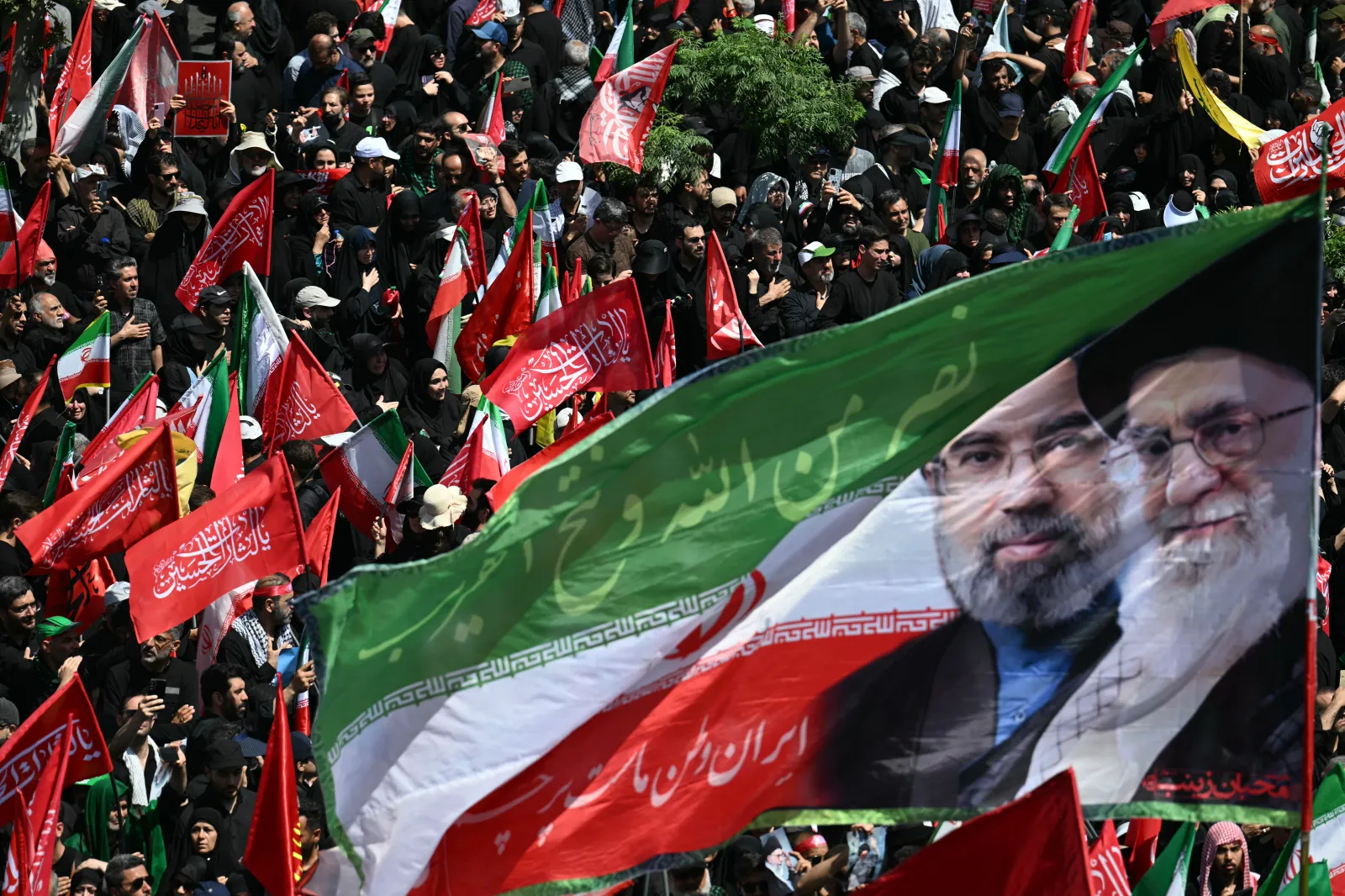
The rhetoric echoes scenes from the funeral itself. In cities across Iran, crowds gathered in large numbers, chanting slogans demanding revenge and, in some cases, directly targeting the United States and its leadership.
Those events were not just memorials. They also served as political theatre, reinforcing the legitimacy of the new leadership while signaling defiance to external adversaries.
How The Conflict Began
The current crisis can be traced back to February 28, when the United States and Israel launched coordinated airstrikes on Iran targeting senior leadership and military infrastructure.
Ayatollah Ali Khamenei, who had led Iran since 1989, was killed in the strikes, along with other senior officials.
Washington framed the operation as a move to eliminate a long-standing security threat and curb Iran’s nuclear ambitions, while Tehran described it as an unprovoked attack.
The fallout was immediate. Iran retaliated with missile strikes against Israel and U.S.-linked targets across the region, turning a targeted operation into a broader war.
The Strait Of Hormuz: Global Stakes
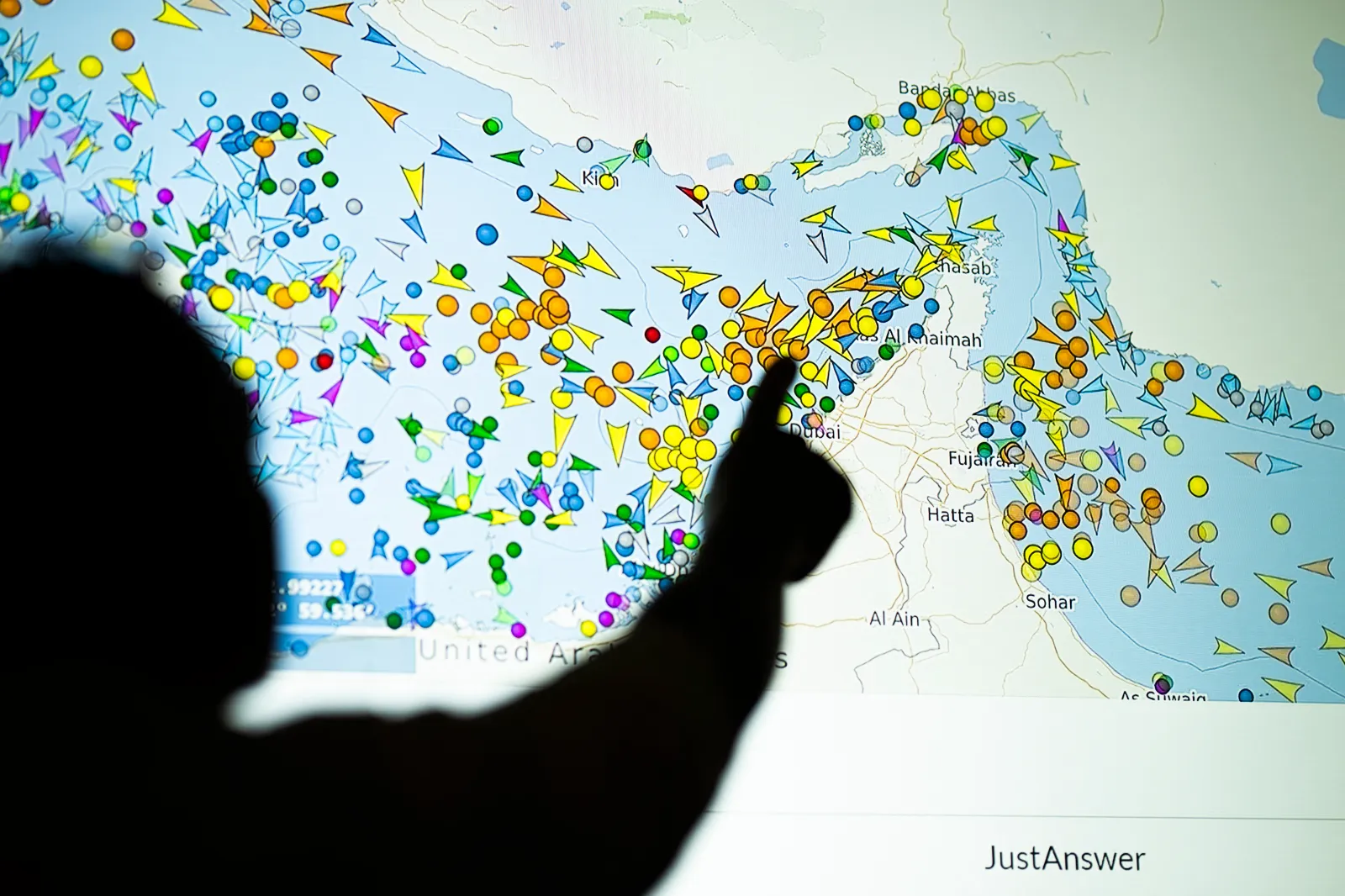
Much of the conflict has since centered on the Strait of Hormuz, one of the world’s most critical maritime chokepoints.
In normal conditions, roughly one-fifth of global oil supplies passes through the narrow waterway, making it essential to the global economy.
Following the outbreak of war, Iran moved to disrupt shipping through the strait. At various points, traffic collapsed dramatically, contributing to sharp increases in oil prices and widespread concern about supply shortages.
A June ceasefire agreement included provisions to reopen the strait and allow safe passage for commercial vessels.
But that arrangement has been repeatedly tested. Recent attacks on commercial ships—some of which Iranian officials privately acknowledged as mistakes—have drawn U.S. retaliation and threatened to collapse the agreement entirely.
Ceasefire Struggles And Renewed Fighting
The U.S. and Iran signed a memorandum of understanding in mid-June aimed at ending hostilities and reopening negotiations, particularly around nuclear issues and maritime security.
The agreement included a 60-day ceasefire window and commitments to keep shipping lanes open.
Yet within weeks, cracks began to show. Attacks on commercial vessels in the Strait of Hormuz triggered new exchanges of fire, with the U.S. launching strikes on Iranian targets in response.
Iran, in turn, accused Washington of violating the terms of the agreement and vowed to defend its sovereignty.
The result is a familiar pattern: diplomacy continuing in parallel with military escalation.
A Region On Edge
The broader regional picture remains unstable. Recent U.S. airstrikes have killed and injured dozens in Iran, while Iranian responses have targeted regional assets and allies, continuing a cycle of retaliation.
Meanwhile, negotiations mediated by regional actors—including Oman—are still underway, highlighting the tension between diplomacy and escalation.
Within Iran itself, the leadership transition adds another layer of uncertainty. Mojtaba Khamenei’s absence from public view and reliance on written statements have fueled questions about both his health and his grip on power.
What Happens Next
For now, the crisis sits in a precarious balance. Negotiations are ongoing. Military forces remain on alert. Rhetoric is escalating.
And in the narrow waters of the Persian Gulf—where global energy flows and geopolitical tensions collide—the next move could determine whether this confrontation cools or spirals into something far larger.