Is Cyclospora outbreak the largest in history? How different years compare
A multistate Cyclospora outbreak linked to recalled iceberg lettuce has infected at least 1,947 people across nine states, making it one of the largest outbreaks of the parasite ever recorded in the United States.
While the current outbreak has not yet surpassed the record set in 2019, health officials say the number of confirmed cases is expected to continue rising in the coming weeks because of delays in identifying and confirming infections.
The Centers for Disease Control and Prevention (CDC), Food and Drug Administration (FDA), and state health officials are investigating the outbreak, which has been linked by federal agencies to iceberg lettuce sourced from central Mexico and voluntarily recalled by Taylor Farms de Mexico.
Newsweek has contacted Taylor Farms for comment via email outside of regular working hours.
On July 17, Taylor Farms initiated a recall of all iceberg lettuce sourced from central Mexico. The CDC advises consumers not to eat the recalled lettuce and says anyone who purchased it should throw it away or return it. The agency is also investigating other Cyclospora outbreaks and illnesses occurring nationwide that are unrelated to this investigation.
As of July 24, officials have identified at least 1,947 direct cases, including 98 hospitalizations and no deaths. The affected states are Illinois, Indiana, Kansas, Kentucky, Michigan, Ohio, Oklahoma, Pennsylvania and West Virginia.
What Is Cyclospora?
Cyclospora is a microscopic parasite (Cyclospora cayetanensis) that infects the small intestine and causes an illness known as cyclosporiasis. People become infected by consuming food or water contaminated with the parasite, most commonly fresh produce such as leafy greens, herbs, berries and other fruits and vegetables that have been exposed to contaminated water or poor sanitation.
Unlike some other intestinal infections, Cyclospora is not typically spread directly from one person to another because the parasite must first mature in the environment before it becomes infectious.
Symptoms usually develop about one week after exposure and can include frequent watery diarrhea, loss of appetite, weight loss, stomach cramps, bloating, nausea, fatigue and, in some cases, vomiting or a low-grade fever.
While healthy people generally recover with appropriate antibiotic treatment, symptoms can persist for weeks or even months if left untreated, sometimes disappearing and then returning.
Largest Outbreaks of Cyclospora
Although the investigation remains ongoing, the spread has already become one of the largest documented Cyclospora outbreaks in U.S. history.
The largest outbreaks recorded are:
The current confirmed number of cases for the Taylor Farms-linked outbreak is 1,947.
Overall across the U.S., since the start of the Cyclospora season which begins on May 1, the CDC has confirmed 4,173 laboratory-confirmed domestic cases of cyclosporiasis and “is aware of more than 7,400 additional cases that are not yet laboratory confirmed and require further investigation and analysis.”
A History of Major Cyclospora Outbreaks
Cyclospora was rarely recognized as a foodborne illness in North America until the mid-1990s after a widespread outbreak linked to Guatemalan raspberries.
There were 1,465 confirmed cases across 20 states, Washington, D.C., and parts of Canada. Investigators traced the illnesses to imported fresh raspberries, and concerns about agricultural water quality and farming practices ultimately led to a voluntary suspension of Guatemalan raspberry exports to North America.
The outbreak also helped prompt the CDC to designate cyclosporiasis as a nationally notifiable disease beginning in 1999.
Another significant outbreak followed in 2013, when hundreds of illnesses reported across multiple states were ultimately linked to more than one contaminated food source. Restaurant-associated cases in Iowa and Nebraska were traced to salad mix imported from Mexico, while illnesses in Texas were linked to fresh cilantro, also from Mexico.
The two largest outbreaks on record came later. In 2018, contaminated salad mix served at McDonald’s restaurants, along with other fresh produce sold through convenience stores, resulted in 2,299 confirmed illnesses. The following year, fresh basil imported from Mexico was linked to 2,408 confirmed cases. That was the largest outbreak ever recorded in the U.S.
Why Cases May Continue to Increase
The CDC cautioned that the latest figures likely do not represent the outbreak’s final size, as it can take as long as six weeks for federal and state officials to determine whether a person who becomes ill is part of the outbreak, so additional confirmed cases are expected even though the recalled products have already been removed from the marketplace.
The agency emphasized that the illnesses included in this investigation represent only a subset of Cyclospora infections reported nationally, as it is simultaneously investigating unrelated outbreaks elsewhere in the country. With disease outbreaks, it is common that not all cases are documented as some people will recover without being tested or needing any medical intervention.
According to the FDA, its traceback investigation continues to point to shredded iceberg lettuce supplied by Taylor Farms from growers in central Mexico, and has said consumers should continue to avoid products included in the voluntary recall.
Taylor Farms Responds
Taylor Farms said food safety remains its highest priority and outlined several steps it has taken since questions emerged about the source of the outbreak. The company has said that none of its products that have been linked to the outbreak have tested positive for Cyclospora.
“We are passionate about helping people live healthier lives through fresh produce, and the safety of our food is paramount,” the company said.
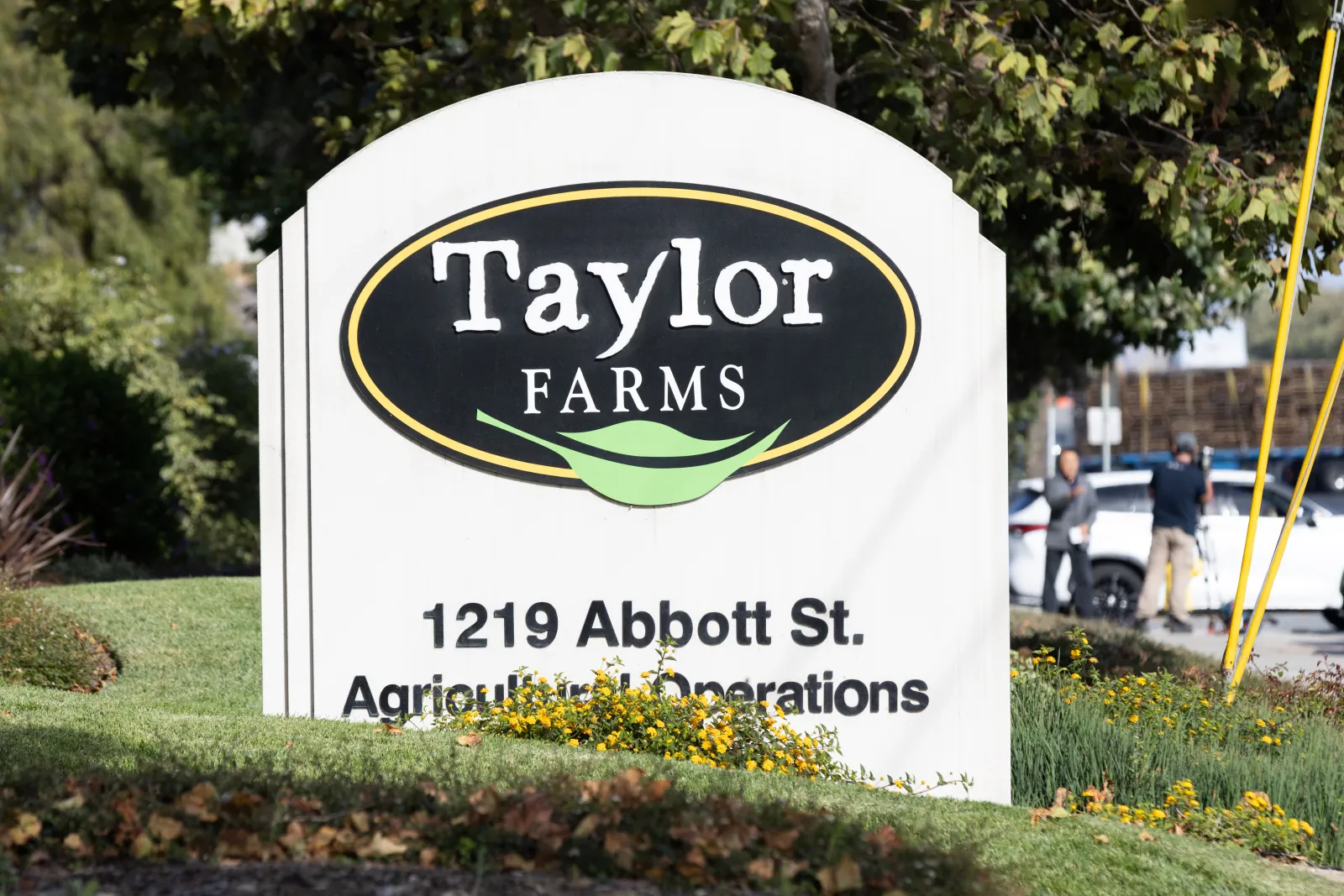
Taylor Farms said it immediately removed potentially implicated products from the market before expanding the action into a broader voluntary recall covering all iceberg lettuce sourced from the affected region. It has also voluntarily suspended iceberg lettuce sourcing and production from central Mexico.
The company said it has commissioned independent experts to conduct a comprehensive review of food safety practices at its central Mexico facility and, as of July 18, had temporarily suspended production of all products at the site, not just iceberg lettuce.
The company said that “according to the FDA, there are no confirmed positive sample results for product testing for Cyclospora as of July 24, 2026.”
Taylor Farms added: “We are confident in our food and food safety systems and will continue to be transparent as more information becomes available.”