

Israeli Strikes Halted as Lebanon Ceasefire Takes Effect Again, U.S.-Iran Talks Revive in Switzerland
- Israel and Hezbollah agreed to a ceasefire after renewed fighting in southern Lebanon.
- U.S. President Donald Trump said he urged Israel to accept the truce.
- Trump’s special envoy Steve Witkoff is travelling to Switzerland for U.S.-Iran talks.
- Vice President JD Vance withdrew from the negotiations amid the Lebanon escalation.
A ceasefire between Israel and Hezbollah took effect in Lebanon on Friday, easing a fresh flare-up that had threatened Middle East peace efforts. Instead of Vice President JD Vance, U.S. envoy Steve Witkoff headed to Switzerland to restart nuclear negotiations with Iran.
After intense diplomatic efforts involving the United States, Qatar and Iran, Hezbollah sources and an Israeli official confirmed a truce agreement that came into force at around 4 p.m. local time. Quoting a senior Israeli official, Axios reported that military operations would stop as long as Hezbollah refrains from attacks, although Israeli troops will remain deployed in parts of southern Lebanon along the border.
Lebanese security sources reported that Israeli aircraft carried out several strikes during the first hour after the ceasefire began, but no further attacks were recorded later in the evening. Lebanon’s health ministry said Israeli strikes overnight and early Friday killed 47 people and injured 97 others.
The Israeli military separately reported the deaths of four soldiers in Lebanon, though it did not provide further details. The latest violence had raised concerns that the fragile diplomatic momentum generated by the U.S.-Iran agreement could collapse.
U.S.-Iran Talks Back on Track
With the Lebanon ceasefire helping to calm regional tensions, diplomatic efforts between Washington and Tehran are moving forward once again. U.S. officials said President Donald Trump’s special envoy Steve Witkoff is heading to Switzerland for the first round of talks on a potential long-term nuclear agreement with Iran, replacing earlier plans that had involved Vice President JD Vance.
X @JDVance
The discussions are expected to address several contentious issues left unresolved in this week’s memorandum of understanding between the two countries. Under the interim agreement, negotiators have 60 days to either reach a broader accord or extend the existing arrangement.
Although Vance’s planned participation was shelved, Switzerland said preparations for technical-level talks are continuing, underscoring efforts by both sides to keep the diplomatic process alive.
The renewed negotiations are closely linked to the wider regional framework agreed upon by Washington and Tehran, which calls for a permanent halt to military operations across the Middle East, including in Lebanon. Highlighting the importance of the ceasefire, Iranian Foreign Minister Abbas Araqchi said the United States would bear responsibility for ensuring that commitments under the agreement are honoured.
On the Lebanese side, President Joseph Aoun condemned the latest Israeli strikes but stressed that efforts to secure a broader and more durable ceasefire would continue despite the recent escalation.
As diplomatic activity intensified, U.S. Secretary of State Marco Rubio spoke with Aoun and reaffirmed Washington’s support for a fully sovereign Lebanese state while reiterating calls for Hezbollah to be disarmed.
The two sides are also exploring a fresh round of Israel-Lebanon talks in Washington from June 23 to June 25, a move that could help reinforce the fragile truce and advance broader regional stability.
Oil Markets Stabilise
The easing of hostilities has also provided relief to global energy markets, which had been rattled by fears of prolonged disruption in the Middle East.
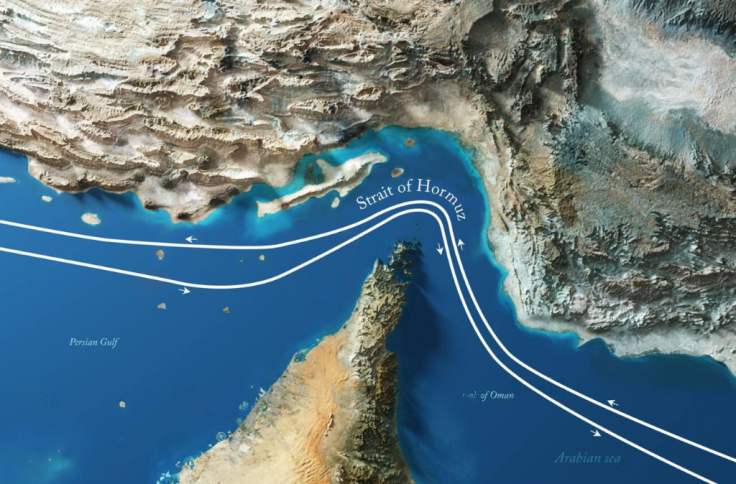
Brent crude prices remained on track for a weekly decline of around 8%, while shipping traffic through the Strait of Hormuz picked up following the signing of the interim agreement.
IBT SG
Further supporting market sentiment, Iranian authorities overseeing the strategic waterway announced plans to waive certain transit fees during the negotiation period, signalling a willingness to facilitate the resumption of normal trade flows.
Even as diplomacy gathers momentum, the agreement continues to face scrutiny in Washington. Trump defended the interim accord amid criticism from some Republican lawmakers who argue that the administration may have offered too many concessions to Tehran.
Responding to those concerns, Trump said Iran had emerged significantly weakened from the conflict and rejected suggestions that the United States had negotiated from a position of weakness.
The stakes remain high. Since the conflict erupted in late February, the war has claimed thousands of lives across Iran and Lebanon, disrupted global energy supplies and fuelled concerns about inflation and economic uncertainty around the world.
