

JD Vance Joins Iran Nuclear Talks Amid Conflicting Hormuz Dispute
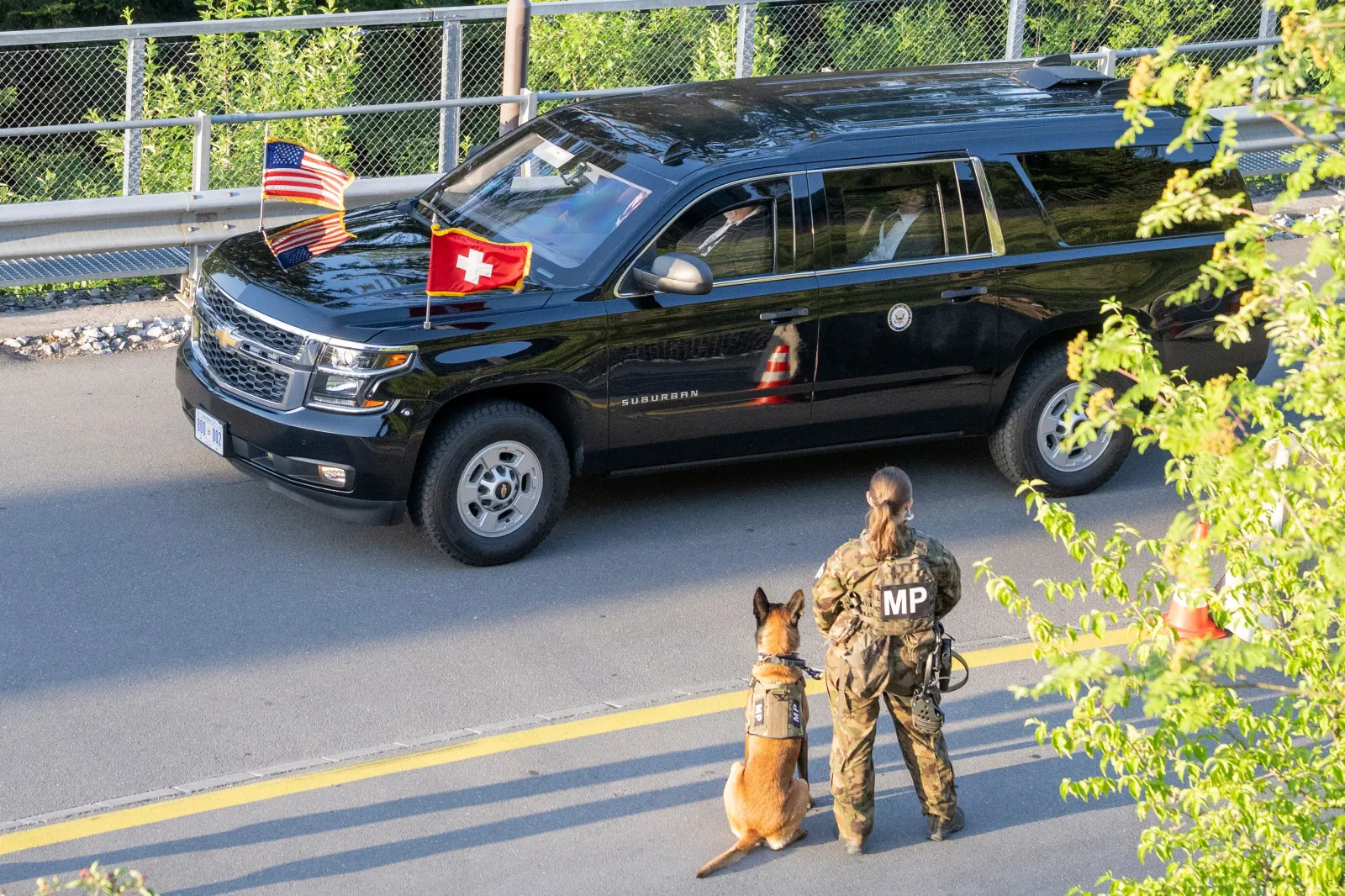
Vice President JD Vance arrived in Lucerne, Switzerland, on Sunday as the United States and Iran prepare to begin detailed negotiations over Tehran’s nuclear programme and the implementation of a fragile interim agreement designed to end the war in Iran.
Vance traveled to Switzerland for follow up talks after a memorandum of understanding (MOU) to end the conflict between the United States and Iran was signed between U.S. President Donald Trump and Iranian President Masoud Pezeshkian.
The framework agreement, signed last week, launched a 60-day window for negotiators from both countries to hammer out the technical provisions of a final deal. The outcome is expected to carry significant implications for global security and the world economy.
Newsweek contacted Vance’s team via an online form early Sunday for comment.
Regional Violence Casts Shadow Over Diplomatic Effort
The opening phase of the negotiations has already been complicated by renewed violence elsewhere in the region.
Heavy fighting between Israel and the Iranian-backed Hezbollah movement in Lebanon erupted in the days following the framework agreement. At the same time, Iran’s military announced it had closed the Strait of Hormuz, the strategic shipping route through which roughly one-fifth of the world’s traded oil and natural gas passes.
Vance had been expected to arrive at the Bürgenstock resort near Lucerne on Friday. Those plans were delayed after the conflict in Lebanon intensified and Iranian officials withdrew from scheduled talks.
U.S. Central Command (CENTCOM) challenged Iran’s assertion that the waterway had been shut, saying American forces continued to oversee the area to ensure maritime traffic remained uninterrupted. Vance has also said millions of barrels of oil have continued moving through the strait in recent days.
Senior Iranian Officials Join Talks
The vice president departed the United States shortly after Iranian state television reported that Tehran’s negotiating team had reached Switzerland.
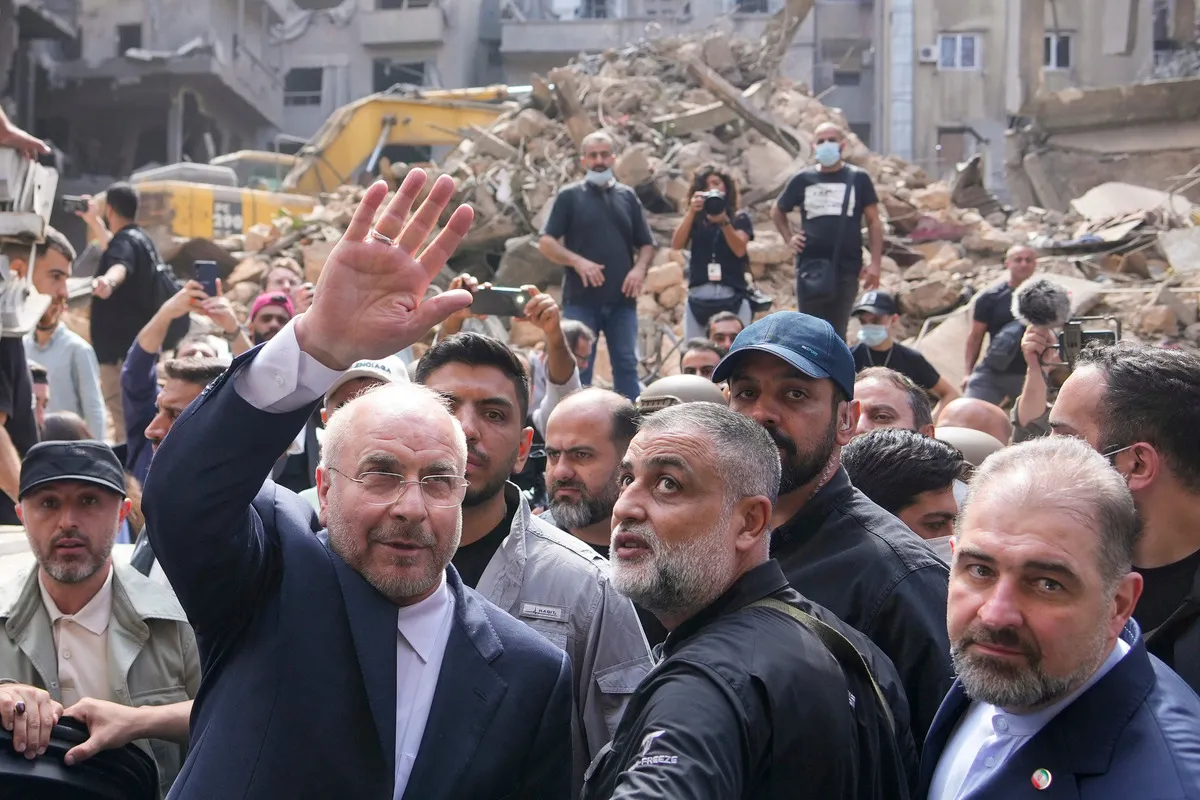
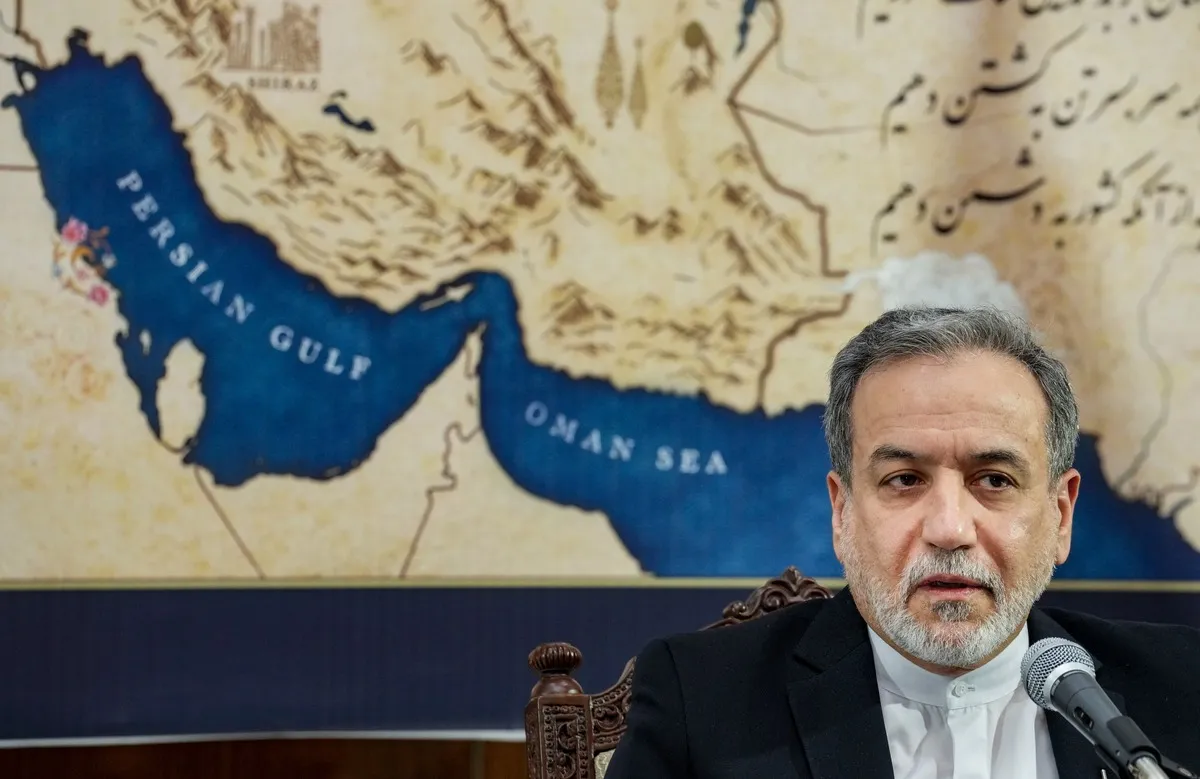
Iran’s delegation includes parliamentary speaker Mohammad Bagher Qalibaf and Foreign Minister Abbas Araghchi, alongside senior officials from the country’s central bank and oil sector.
Vance joins special envoy Steve Witkoff and Jared Kushner, President Trump’s son-in-law, who have already begun work on the technical aspects of the negotiations.
Pakistan and Qatar Take Part in Discussions
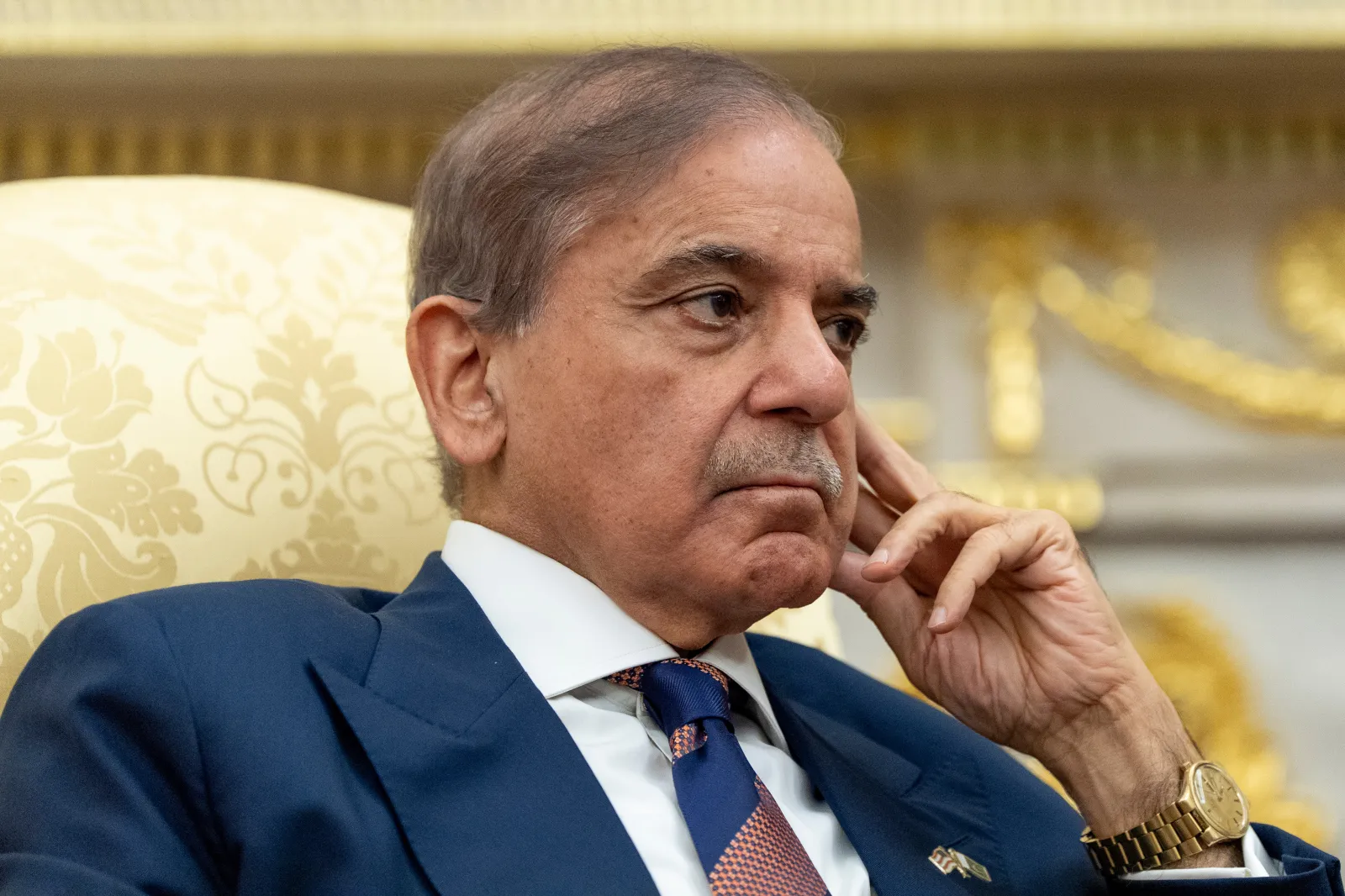
Pakistani Prime Minister Shehbaz Sharif, army chief Field Marshal Asim Munir and Qatari mediators are also expected to participate in the diplomatic effort.
According to Pakistan‘s Ministry of Foreign Affairs, Sharif will hold separate meetings with representatives from Iran, Switzerland and the United States “to reaffirm Pakistan’s enduring commitment to dialogue and durable peace in the region.”
Vance and second lady Usha Vance landed at Emmen Air Base outside Lucerne shortly before 6 a.m. local time, his office said.
Although the vice president has indicated he expects to remain in Switzerland for only “a day or two,” leaving much of the detailed negotiations to Witkoff and Kushner, his involvement has drawn increased attention as speculation continues over a possible 2028 presidential campaign.
Republicans Split Over Iran Agreement
The negotiations come as Trump and Vance face criticism from some members of their own party over the agreement.
Republican hard-liners have compared the deal unfavorably with the Obama-era nuclear accord, which Trump and many GOP allies have long argued failed to bring Iran’s nuclear ambitions to an end.
Under the agreement signed by Trump and Pezeshkian, Iran is immediately permitted to resume unrestricted oil sales and gains access to billions of dollars in frozen assets. The framework also requires Tehran to dilute its stockpile of highly enriched uranium, much of which is believed to be stored beneath nuclear facilities targeted by U.S. strikes last summer.
Markets Focus on Hormuz and Oil Prices
The agreement allows commercial ships to transit the Strait of Hormuz without charge for 60 days, although it leaves open the possibility of future fees being imposed by Iran.
Trump added another layer of uncertainty on Saturday by threatening to impose U.S. tolls on the waterway should a final agreement fail to materialise within the 60-day period. In a social media post, he said such payments would be for “services rendered as the Guardian Angel to the countries of the Middle East.”
The administration has sought to reassure investors that the Iran conflict’s impact on energy markets will prove temporary, even as higher fuel prices have frustrated American motorists heading into the peak summer travel season.
Oil futures fell nearly 8 percent after the White House unveiled the framework agreement last week. Financial markets are expected to closely monitor the progress of the talks when trading resumes on Sunday evening.
Israel and Hezbollah Remain Outside Agreement
Despite the diplomatic progress between Washington and Tehran, the agreement does not include either Israel or Hezbollah.
Israeli Prime Minister Benjamin Netanyahu has pledged to keep Israeli forces in southern Lebanon until all threats to Israel are removed, while Hezbollah has insisted it will continue attacks unless Israel commits to withdrawing from Lebanese territory.
In the days following the U.S.-Iran agreement, clashes between Israel and Hezbollah killed 47 people in Lebanon and four Israeli soldiers.
This article contains reporting by the Associated Press.
