Map shows forests in potential danger as Trump admin scraps roadless rule
The Trump administration has taken a major step toward repealing one of the most significant federal forest conservation policies in the United States, arguing the decades-old rule has hindered efforts to reduce wildfire risk and manage national forests.
Agriculture Secretary Brooke Rollins announced on August 18 that the U.S. Forest Service has filed a proposed rule to rescind the 2001 Roadless Area Conservation Rule, which currently applies to millions of acres of National Forest System land.
The administration said removing the rule would give local forest managers greater flexibility to address wildfire hazards, insect outbreaks and forest health concerns. Environmental groups, however, warn the move could open some of the country’s most intact public lands to increased road construction and logging.
A 25-Year-Old Forest Protection Rule Faces Elimination
Adopted in the final days of the Clinton administration, the Roadless Area Conservation Rule generally prohibits road construction and road reconstruction within designated “inventoried roadless areas” on federal forest lands and places limits on timber harvesting activities.
The rule was designed to preserve large undeveloped tracts of national forests while protecting wildlife habitat, watersheds and recreational opportunities.
The rule originally covered nearly 60 million acres of national forests and grasslands across the United States. Today, after separate state-specific roadless frameworks were adopted in Idaho and Colorado, the national rule applies to roughly 44 million to 45 million acres.
According to the U.S. Department of Agriculture (USDA), nearly a quarter of the areas currently covered by the rule are located near existing roads, while more than 40 percent face high or very high wildfire hazard potential.
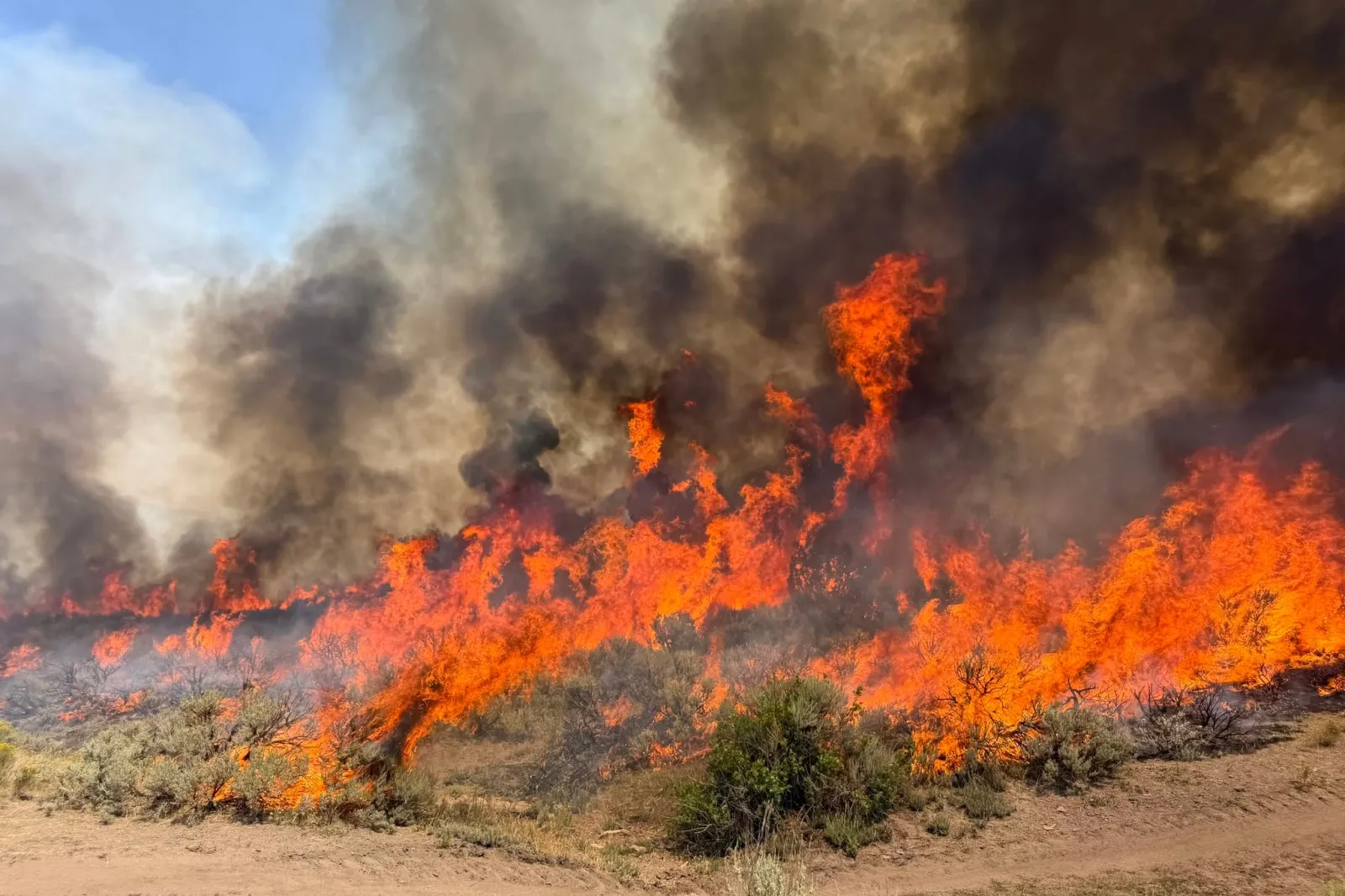
Forest Service Chief Tom Schultz said only about 5 percent of inventoried roadless areas have received hazardous-fuels reduction treatments since 2014. “At the same time, more than a quarter of these lands—11.3 million acres—are already near existing roads,” he said.
“Acting now, thoughtfully and decisively, is the best way to restore the balance, reduce wildfire risk, and secure the long-term health of our forests and neighboring communities.”
“Our forests can’t afford another decade of inaction,” Rollins said in announcing the proposal, arguing that restrictions have prevented managers from carrying out projects aimed at improving forest health and reducing wildfire danger.
Where Could the Rollback Have the Biggest Impact?
The effects of the proposal would be concentrated overwhelmingly in the American West.
The Forest Service said more than 95 percent of the acreage currently governed by the 2001 Roadless Rule is located in 10 states: Alaska, Arizona, California, Montana, Nevada, New Mexico, Oregon, Utah, Washington and Wyoming. Idaho and Colorado are not included because both states operate under separate roadless regulations that supersede the national rule.

Those most likely to be affected include communities near national forests, timber and forest-products industries, outdoor recreation users, conservation groups and federal land managers.
The proposed repeal would not automatically authorize new roads, timber harvests or development projects. Instead, the administration says decisions would return to local forest planning processes and land managers, who would retain authority to determine where activities are appropriate under existing environmental laws and regulations.
The Wildfire Debate at the Center of Proposed Changes
The administration’s primary justification for rescinding the rule is wildfire risk.
USDA officials argue that roadless restrictions have made it more difficult to access remote forest areas for thinning projects, fuels reduction work and other management activities intended to reduce the severity of future wildfires. Rollins said the proposal would remove barriers that have limited active forest management across large sections of national forests.

Environmental organizations strongly dispute that argument.
Earthjustice, which has defended the rule in court for years, said the administration is overstating the relationship between roadless protections and wildfire risk. The group pointed to research suggesting wildfires are more likely to start near roads and argued that roadless forests provide important benefits for wildlife, drinking water supplies and climate resilience.
“Now, the Trump administration wants to gut the rule and open up 45 million acres of roadless forest to clear-cutting and other harmful development enabled by roading,” Earthjustice President Abigail Dillen said in a statement.

Next Steps
The proposal is not yet final. The Forest Service has released a draft environmental impact statement and opened a public comment period that runs through September 21.
Once that process is complete, the agency will decide whether to finalize the rescission.
Any final repeal is also likely to face legal challenges. Earthjustice noted that the Roadless Rule has survived repeated court battles over the past quarter-century and signaled that opponents are prepared to fight the latest rollback effort as well.
Contact Newsweek editor on this story: Edward Pearcey.