
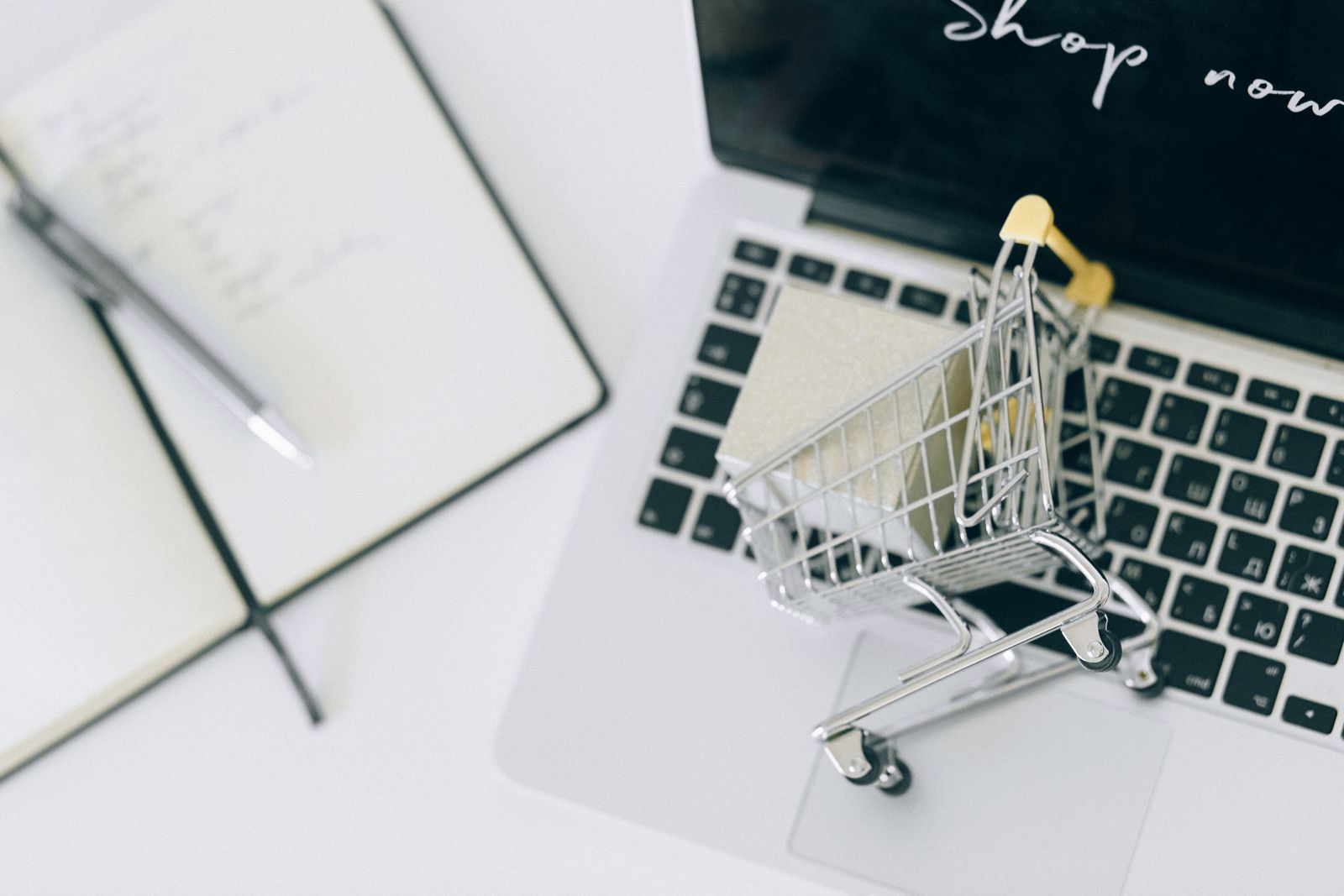
Omnichannel Retail in 2026: Where Shoppers Actually Buy
New data on 2026 online shopping trends confirms what fast-growing brands already sense: omnichannel retail is no longer a buzzword, it is where customers actually decide and buy. Shoppers now move between phones, marketplaces, and physical stores in a single purchase, and they expect the brand to keep up.
For founders, that shift is an opportunity, not a headache. Customers are giving you more chances to win them, so the brands that show up consistently across channels get the sale. The ones that treat their website and their store as separate worlds lose it.
The Numbers Reshaping How People Buy
Ecommerce is set to account for 21.1% of total global retail sales in 2026, yet physical stores still lead product discovery at 60%, just ahead of online marketplaces at 57%. In practice, that means digital and physical are converging rather than competing.
Behavior tells the same story. About 67% of shoppers webroom, researching online before buying in store, while 53% showroom, checking products in person before buying online. So the buying journey rarely happens in one place anymore.
Price sensitivity is rising too. Roughly 39% of shoppers say they compare prices more carefully than before, and 38% have cut back in at least one category. Value and convenience now travel together.
Meet Customers Where They Research
Growth starts with visibility at the research stage. If most buyers check you online before walking into a store, your product pages, reviews, and search presence are doing sales work long before checkout. Treat them like storefront windows.
You also do not need a full website to start selling across channels. New tools let founders sell online through links, social shops, and marketplaces, which lowers the cost of testing a new channel before you commit.
Turn Physical Moments Into Loyalty
Physical still matters, especially for discovery and trust. Pop-ups, markets, and live events give customers a reason to feel your brand in person, then continue the relationship online.
The trick is connecting the two. Capture an email or a follow at the event, then keep the conversation going through the channel the customer prefers. That is how a one-time booth visit becomes a repeat buyer.
Build One Brand Across Every Channel
Consistency is the quiet growth lever. A shopper who researches on your site, compares on a marketplace, and buys in store should feel one brand the whole way. Deloitte’s research points to the same convergence of digital and physical experiences, a trend worth reading in its 2026 retail outlook.
For smaller brands, that consistency is an edge. A tight, trusted direct to consumer experience can beat a bigger competitor whose channels feel disconnected. Customers reward brands that feel coherent everywhere.
What to Prioritize Next Quarter
Pick one weak link in your customer journey and fix it. Maybe your in-store buyers never hear from you again, or your online reviews are thin. Small repairs to the journey often lift conversion faster than a bigger ad budget.
Then measure across channels, not in silos. When you can see how research in one place leads to a purchase in another, you stop underrating the touchpoints that quietly drive revenue.
Omnichannel Retail Questions Founders Ask
What is omnichannel retail? It is a strategy where every channel, from your site to your store to marketplaces, works as one connected experience for the customer.
Where should a small brand start? Start where your customers already research, usually search and reviews, then connect that touchpoint to an easy way to buy.
