Three firefighters killed as wildfires rapidly spread across West
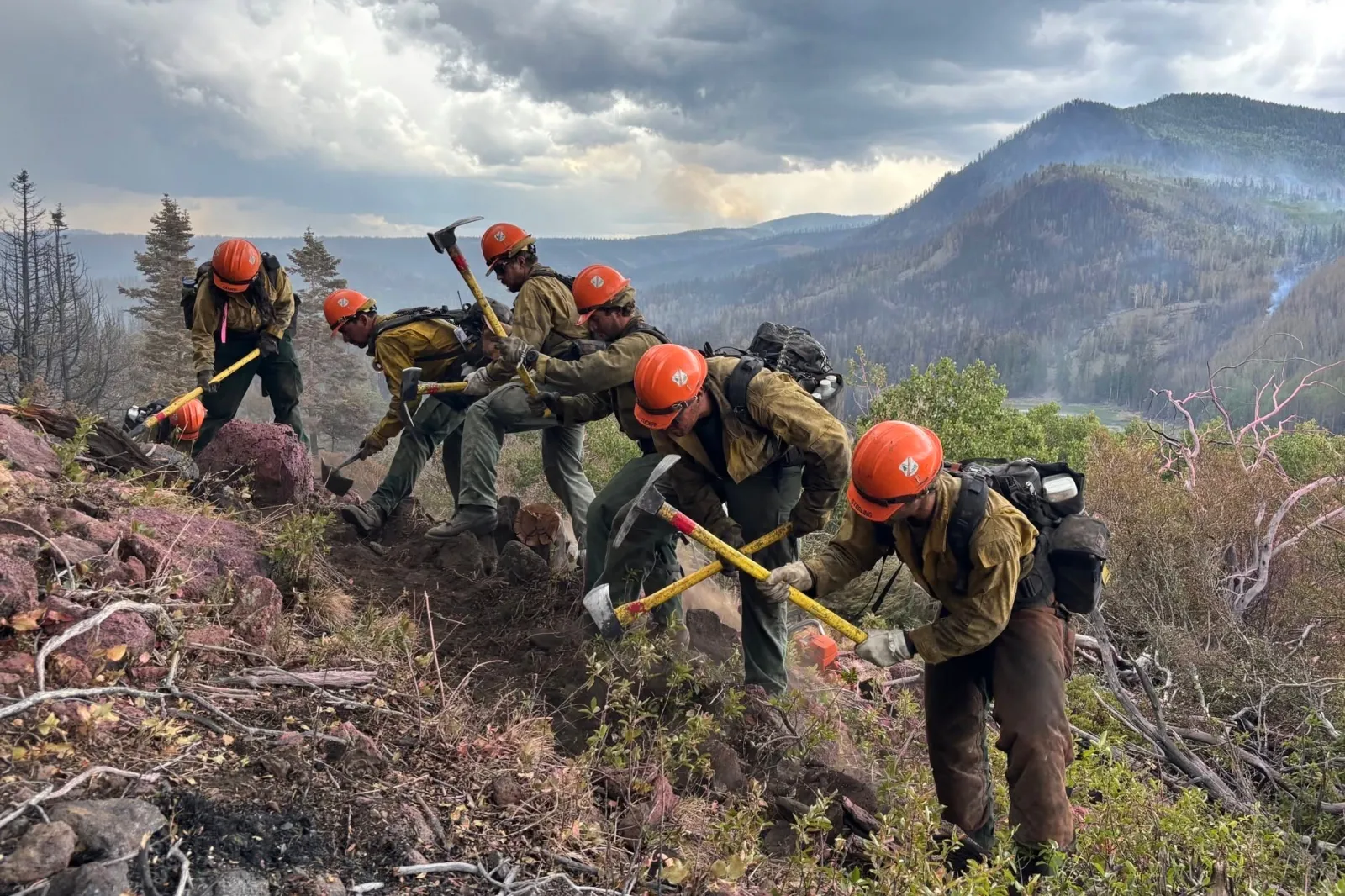
Three firefighters were killed and two others were injured Saturday while battling fast-moving wildfires along the Colorado–Utah border, officials said, as an expanding outbreak of blazes fueled by extreme heat, wind, and drought continues to grip the West.
The firefighters were part of a multi-agency response to the Knowles and Gore fires, which have since merged and are now known as the Snyder fire, according to federal officials.
The two surviving firefighters suffered burn injuries and are receiving medical treatment, the U.S. Wildland Fire Service (USWFS) announced Sunday in a social media post. Authorities have not yet released the identities of those who died.
“Our immediate focus is on supporting their families, friends, and fellow crewmates during this incredibly difficult time,” USWFS said.
The fatalities underscore the escalating danger across the region, where days of critically dry and windy conditions have pushed fire behavior to extreme levels, stretching firefighting resources thin and forcing emergency declarations in several states.
Newsweek reached out to the USWFS by email Sunday for more information.
Fires Spread Rapidly Across the West
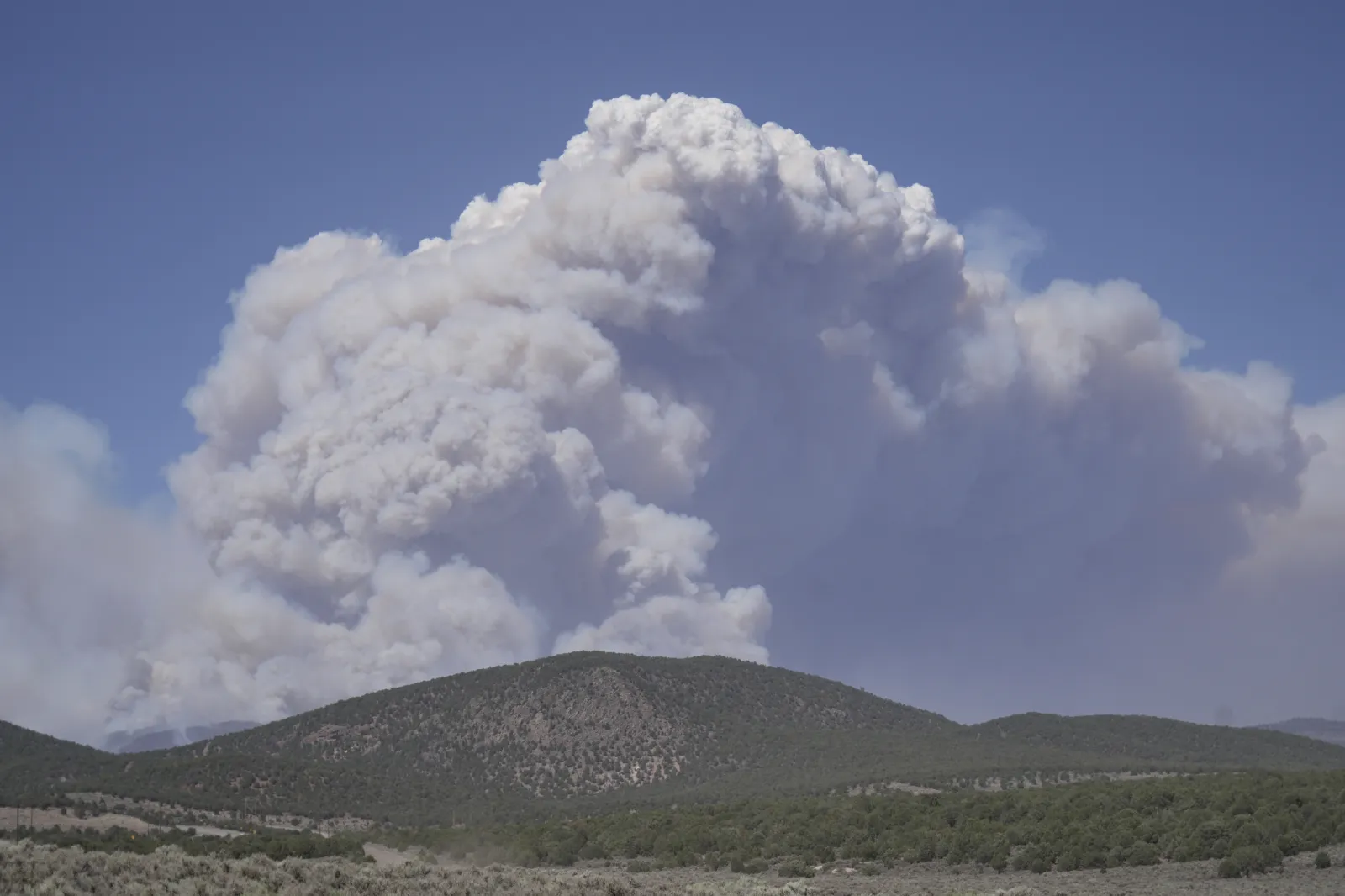
The largest active blaze, the Cottonwood Fire in southwestern Utah, has exploded to more than 92,000 acres—about 144 square miles—and remains completely uncontained. Fire crews are struggling to gain ground against the flames in steep, rugged terrain.
At least 1,200 responders have deployed to the Fishlake National Forest near Beaver, Utah, to build containment lines. The cause of the Cottonwood Fire remains under investigation, according to InciWeb, the federal wildfire tracking system.
“A Fire and Fuels Advisory has been issued for the state of Utah due to low fuel moistures and the potential for extreme fire behavior and rapid fire growth,” officials noted Sunday on the incident page.
Nearby, the Snyder Fire has charred tens of thousands of acres along the state line, prompting evacuation warnings for several communities. Meanwhile, from Alaska to Florida, crews worked Saturday to corral dozens of fires, including three dozen that were classified as large and uncontained.
Extreme Weather Fuels ‘Particularly Dangerous Situation’
National Weather Service (NWS) forecasters warned that conditions across several Western states are primed for explosive fire growth. Multiple red flag warnings have been issued due to high temperatures, gusty winds, and humidity levels dropping as low as 10 percent across a wide swath of the West, from California to Arizona and New Mexico.
In Utah, meteorologists characterized the outlook as a “particularly dangerous situation”—a severe designation highlighting the potential for unpredictable fire behavior.
The current outbreak reflects broader climate patterns shaping the 2026 wildfire season. Much of the West is grappling with persistent drought, below-normal precipitation, low winter snowpack, and above-average temperatures.
Nationwide, nearly 3 million acres have burned so far this year, a figure that sits well above the 10-year average.
Southwest Fire Activity and Power Shut-offs
The fire threat extended south into Arizona. South of Grand Canyon National Park, authorities said flames of a new wildfire were moving away from Grand Canyon Village and the nearby community of Tusayan on Saturday. But about 50 miles away, another fire prompted Coconino County officials to issue evacuation orders for those near Kendrick Mountain.
Parts of northern Arizona were left without power Saturday as the utility serving the area initiated a safety shut-off in hopes of lessening the wildfire risk. Power shutoffs have become more common in the West as wildfire risk has expanded, usually serving as a last resort after utility forecasters weigh factors like sustained wind and gust speeds, available fuels, and topography. With extreme fire conditions persisting in Utah, Rocky Mountain Power similarly shut off power lines serving Beaver County and other areas.
States Trigger Emergency Declarations
The worsening crisis has prompted swift action ahead of the July Fourth holiday.
Utah Governor Spencer Cox declared a state of emergency this week, clearing the way for a statewide fireworks ban. Utah State Forester Jamie Barnes said a surge in new fires exhibiting “unprecedented behavior” has severely taxed available resources.
In neighboring Colorado, Governor Jared Polis also declared an emergency, activating the National Guard to assist with local response and containment efforts.
Officials warn that the coming days will offer little relief, with forecasts calling for sustained heat and wind that will keep the wildfire threat elevated.