US issues new travel warning for Saint Lucia
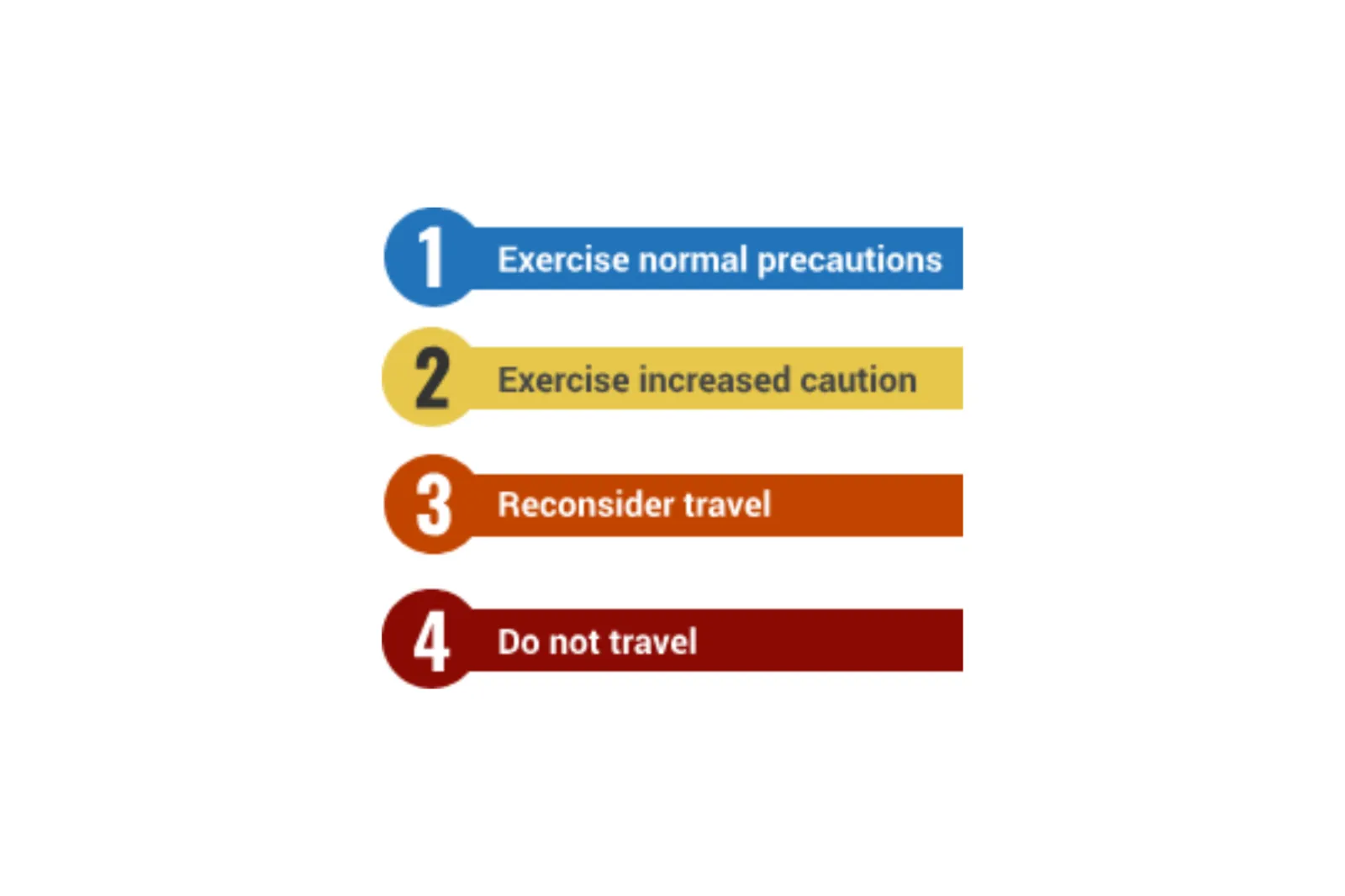
The U.S. Department of State has upgraded its travel advisory for Saint Lucia to “Level 2: Exercise Increased Caution” over concerns about crime affecting both residents and visitors to the Caribbean island.
The updated advisory was issued on July 10 and warns that violent crime could occur anywhere in Saint Lucia, including in areas that are popular with tourists.
Why the Warning Was Issued
According to the State Department, U.S. citizens and other foreign visitors in Saint Lucia have been victims of armed robbery, assault, burglary and rape, while some Americans have been killed in criminal incidents on the island.
The advisory warns that guests staying at resorts have been victims of violent crimes and warns that police response times may be slower than those typically experienced in the United States. Authorities also say that petty crime, including pickpocketing and purse snatching, is common in Saint Lucia, especially in tourist destinations.
The Level 2 designation means travelers are not being advised to avoid Saint Lucia altogether, but they should take additional precautions and remain vigilant during their visit.
What Travelers Should and Shouldn’t Do
The State Department is advising travelers to stay aware of their surroundings. They should maintain a low profile, avoid displaying signs of wealth such as expensive jewelry or watches, and stay alert in tourist areas and around banks and ATMs.
Travelers should also exercise extra caution when walking or driving at night, avoid opening hotel or residence doors to strangers, and never physically resist a robbery attempt. The advisory further recommends purchasing travel insurance before departure.
Although the police are on hand in tourist districts to help visitors who might feel uncomfortable or unsafe, the agency is also warning tourists to be on the lookout for potential scams, overcharging and encounters with aggressive vendors.
The advisory also reminds travelers that Saint Lucia regularly experiences hurricanes and other tropical weather threats, particularly during the Atlantic hurricane season.
Other Recent Eastern Caribbean Advisories
Saint Lucia’s upgraded warning contrasts with several neighboring Caribbean destinations that recently received lower-risk assessments from the U.S. government.
Saint Vincent and the Grenadines
On July 7, the State Department issued a “Level 1: Exercise Normal Precautions” advisory for Saint Vincent and the Grenadines, describing the nation as “generally a safe destination for travelers.” The advisory doesn’t identify significant crime concerns but notes that the country is vulnerable to hurricanes and other severe weather events.
Travelers are encouraged to enroll in the Smart Traveler Enrollment Program (STEP), monitor weather conditions, and review health and safety guidance before visiting.
Saint Kitts and Nevis
Saint Kitts and Nevis also received a Level 1 advisory on July 7. The State Department described the twin-island nation as generally safe for visitors and didn’t cite any elevated threat of criminal activity. However, officials advised travelers to remain aware of hurricane risks and to familiarize themselves with local laws and customs before traveling.
Montserrat
Likewise, Montserrat remains under a “Level 1: Exercise Normal Precautions advisory.” The State Department said the British Overseas Territory is generally safe for visitors but highlighted a unique hazard not found elsewhere in the region: the Soufrière Hills volcano.
Although the volcano’s last major activity occurred in 2010, it has remained active since 1995. Five exclusion zones remain in place around the volcano, and visitors must get special authorization to enter the most restricted areas in southern Montserrat.
Travelers were warned not to enter these zones without the required permit.
Montserrat’s advisory also notes the territory’s exposure to hurricanes, reflecting a common theme across the eastern Caribbean during the summer and fall months.
Which Caribbean Islands Are Under U.S. Travel Advisories?
Every Caribbean destination is covered by a U.S. State Department travel advisory, but the level of warning varies by location.
The map above shows the current U.S. travel-advisory levels across Caribbean destinations, providing travelers with a snapshot of where the State Department recommends normal precautions and where it advises increased caution.
While most Caribbean islands remain popular tourist destinations, officials recommend reviewing the latest advisory before booking travel and monitoring updates throughout the hurricane season.
Contact Newsweek editors on this story: John Fitzpatrick and Tony Phillips