

Vermont joins growing list of states changing bottle bills—what’s changed
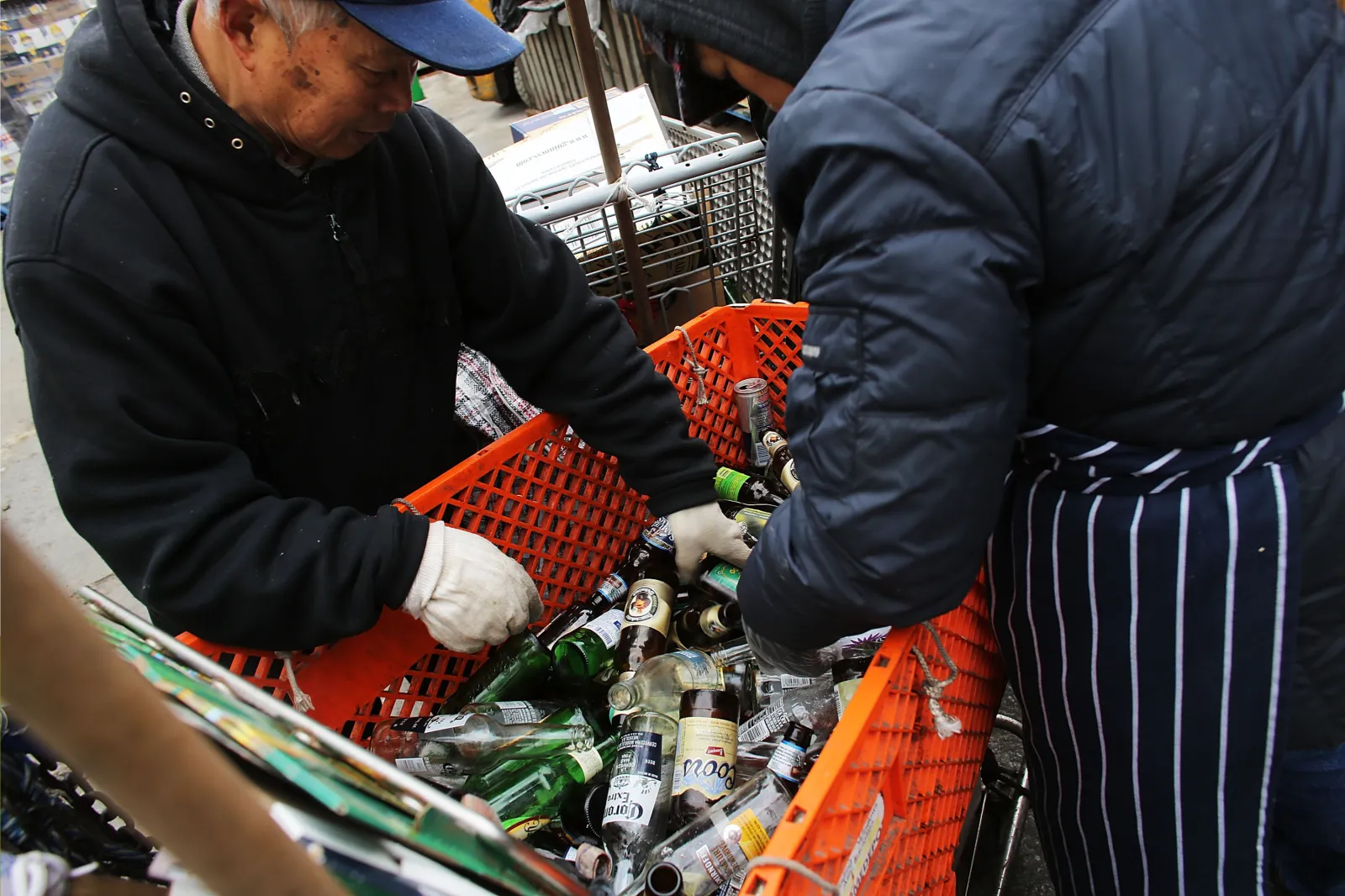
Every year, Vermonters return millions of empty bottles and cans to redemption centers and retailers to reclaim their deposits under the state’s bottle bill system.
But a new law—House Bill 915—that took effect this month is changing how the state’s bottle bill system operates, which is part of a broader trend as states across the country reconsider decades-old recycling programs.
Beginning July 1, Vermont increased the handling fees paid to redemption centers and retailers that collect the empty bottles and cans, a move that supporters say is necessary to keep the state’s deposit-return system financially viable.
A coalition of small businesses and beverage distributors opposed the bill, warning that the increased handling fees would add nearly $2 million in costs that would ultimately be passed on to consumers in the form of higher drink prices.
What’s Changing?
Vermont’s bottle bill dates back to 1973 and requires consumers to pay a deposit on certain empty beverage bottles or cans, such as those that hold carbonated soft drinks, beer, wine coolers, and liquor. When shoppers return their eligible empties, they then receive money back from the retailer or redemption center.
Most eligible beverages carry a 5-cent deposit, while liquor containers carry a 15-cent deposit.
The most immediate change with the introduction of the new law is that there is an increase in the handling fee paid to redemption centers, which process the returned containers.
Under the new legislation signed in June, handling fees for many containers increased from 3.5 cents to 4.5 cents, while non-commingled containers (those that are sorted and kept separate from other containers when collected) increased from 4 cents to 5 cents during a transition period.
Lawmakers said the increase was intended to help redemption operators cope with rising labor and operating costs while broader reforms are implemented.
The law also establishes convenience requirements, including minimum redemption access standards across the state, aimed at reducing so-called “redemption deserts” where residents have limited options for returning containers.
Why Vermont Is Making the Change
Supporters argue that the existing system has struggled to keep pace with inflation and changing consumer habits. Vermont officials have noted that bottle redemption rates have declined in recent years, while redemption centers have reported financial pressures. State officials have also said no single entity currently oversees the entire system, making modernization difficult.
Lawmakers hope the producer responsibility model will improve efficiency, increase redemption opportunities, and boost recycling performance. The legislation sets redemption rate goals of 75 percent by 2029 and 80 percent by 2032.
Environmental advocates also view bottle bills as an important tool for reducing litter and keeping valuable materials such as aluminum and plastic out of landfills.
Vermont’s Department of Environmental Conservation says the program began as an antilitter measure and has evolved into one of the state’s key recycling initiatives.
Vermont Is Not Alone
Currently, there are nine other states, alongside Vermont, that run a bottle deposit incentive.
These include:
- Michigan
- Oregon
- Connecticut
- California
- New York
- Maine
- Massachusetts
- Iowa
- Hawaii
But Vermont is joining a growing number of states that have recently updated or expanded bottle bill programs:
- Connecticut doubled its container deposit from 5 cents to 10 cents in 2024 as part of efforts to boost participation and recycling rates.
- Oregon, which pioneered the nation’s first bottle bill, has continued refining its system through new redemption center rules and expanded container coverage.
- California recently expanded its bottle bill program to include wine and distilled spirits containers, significantly broadening the number of beverages covered by redemption requirements.
What It Means for the Public
For most Vermonters, bottle deposits themselves are not changing.
Consumers will continue paying deposits on eligible beverages and receiving refunds when containers are returned.
The long-term goal is to make redemption more convenient by expanding collection access and modernizing infrastructure. Eventually, residents could see more redemption locations, less brand sorting, and a more-streamlined return process.
The changes also signal a broader shift occurring across the country, as states increasingly seek to modernize bottle bills that were originally adopted decades ago.
With recycling targets rising and concerns about waste mounting, lawmakers are looking for ways to make deposit-return systems more effective for both consumers and the businesses that operate them.
Contact Newsweek editors on this story: John Fitzpatrick and James Debens
